

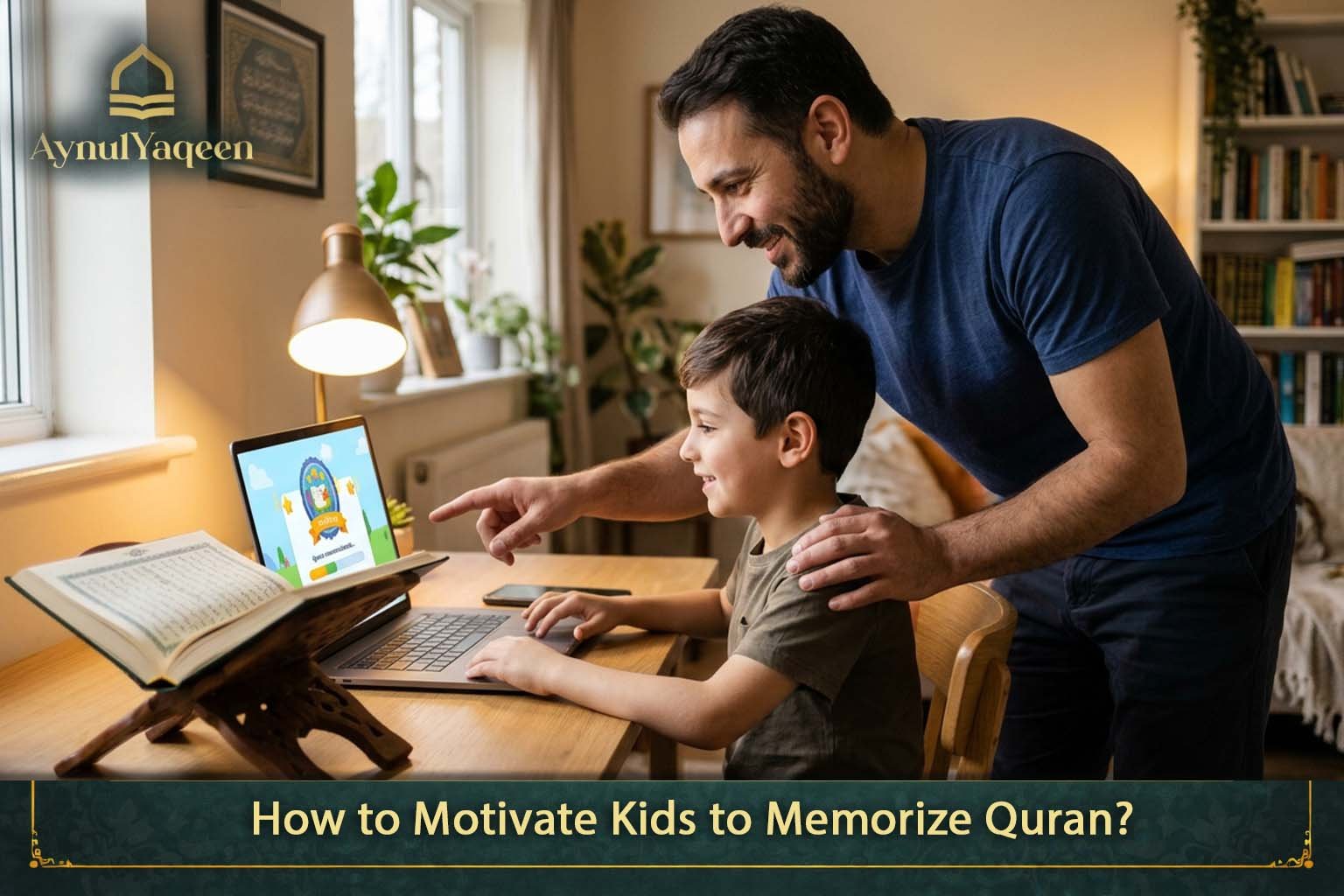
How to motivate kids to memorize quran is a common question among parents who want their children to develop a lasting connection with the Quran without turning memorization into a daily struggle. Understanding how to motivate kids to memorize quran begins with setting manageable goals, using age-appropriate activities, and creating a supportive learning environment.
Some children enjoy repeating verses aloud, while others respond better to listening, visual activities, or gentle encouragement. Therefore, learning how to motivate kids to memorize quran starts with recognizing that children learn at different speeds and need different kinds of support.
A sustainable routine should balance new memorization with revision, schoolwork, rest, and play. This guide explains how to motivate kids to memorize quran through practical strategies parents can use to encourage progress, address common challenges, and help children approach Quran learning with confidence.
Why Is Motivation Important for Children’s Quran Memorization?
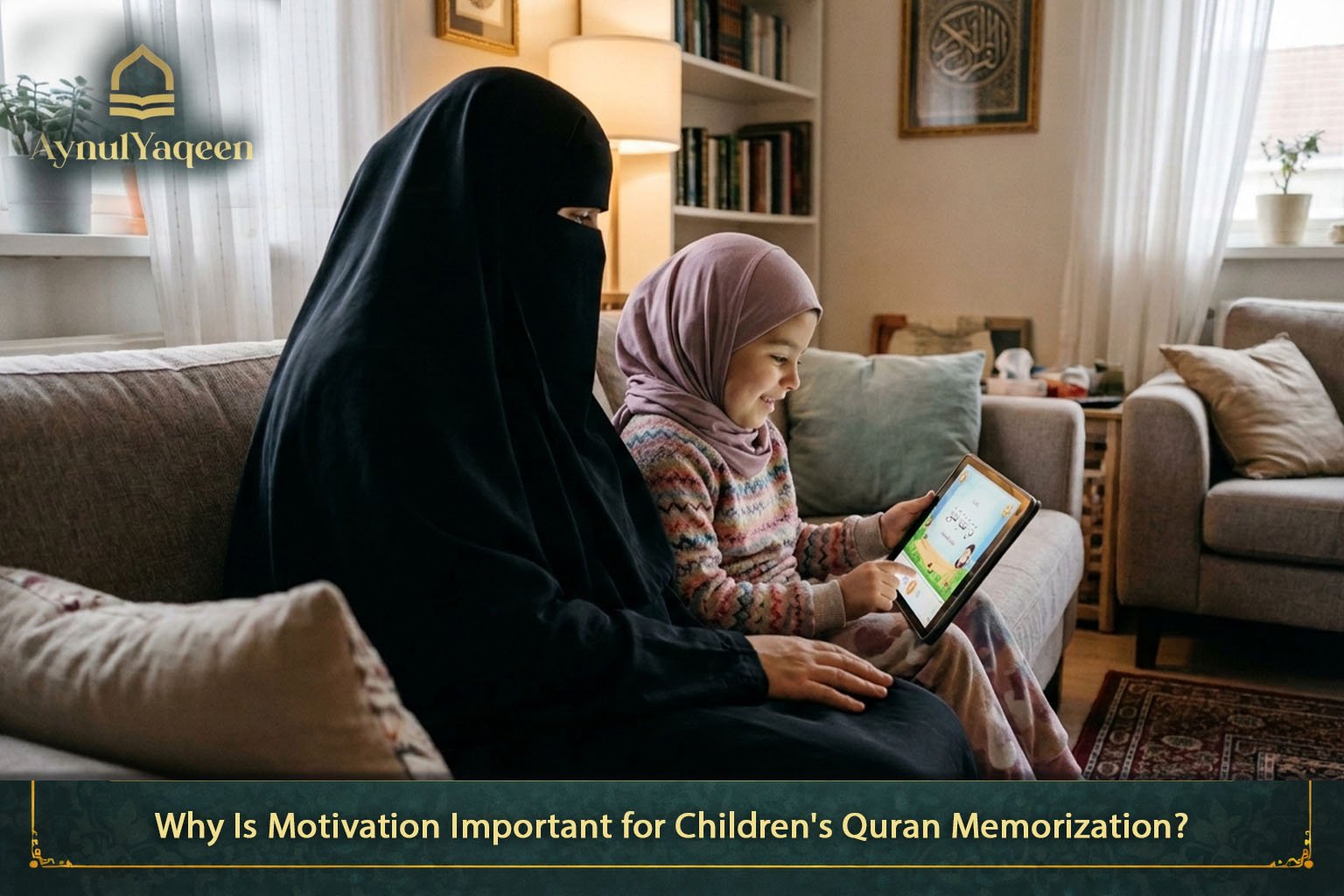
Motivation influences how children respond to mistakes, practice difficult passages, and maintain previously learned verses. When memorization feels like constant pressure, children may begin to associate Quran lessons with frustration rather than meaningful learning. Understanding how to motivate kids to memorize quran helps parents create a more positive learning experience. Parents can make a difference by focusing on three priorities:
- Emotional security: Allow children to make mistakes without embarrassment or harsh criticism.
- Achievable goals: Divide lessons into manageable sections suited to the child’s ability.
- Positive encouragement: Recognize effort, improvement, and regular revision rather than rewarding speed alone.
These principles explain how to motivate kids to memorize quran while protecting their confidence. Remember that motivation naturally changes from day to day. Tiredness, schoolwork, or a difficult lesson may temporarily reduce a child’s enthusiasm.
Learn Online with Aynulyaqeen Quran Academy
Choosing the right online Quran academy can make a significant difference in your learning journey. Aynulyaqeen Quran Academy provides structured Quran courses for beginners and advanced learners, focusing on accurate Quran reading, Tajweed, memorisation, and Islamic studies.
With qualified teachers, flexible class schedules, and personalised one-on-one lessons, students of all ages can learn at their own pace while building confidence in reciting and understanding the Holy Quran from anywhere in the world.

Set Small and Realistic Memorization Goals
One practical approach to how to motivate kids to memorize quran is to divide each lesson into short, achievable targets. Instead of asking a child to memorize an entire page at once, begin with one or two verses, depending on their age and reading ability.
Small goals allow children to experience progress without feeling overwhelmed. For example, a beginner might learn one short verse during a session, while an older child who reads confidently may manage a longer passage. Parents can make this strategy more effective by following a few simple steps:
- Choose a realistic amount for each session.
- Repeat the same verses until the child recalls them accurately.
- Review previous memorization before introducing new material.
- Increase the target gradually when the child feels comfortable.
This approach demonstrates how to motivate kids to memorize quran without making speed the main measure of success. Consistent progress matters more than memorizing large amounts in a single sitting.
Make Quran Memorization Enjoyable
Enjoyment can help children approach their lessons with greater enthusiasm. When exploring how to motivate kids to memorize quran, parents should consider activities that match their child’s interests and attention span.
For younger children, listening to a familiar recitation and repeating short verses can make practice easier. Older children may prefer tracking their progress, reading independently, or working toward a personal memorization goal. Try incorporating these activities into regular lessons:
- Listen to a clear recitation before practicing a new verse.
- Repeat verses together using a calm, steady rhythm.
- Let children choose between two suitable revision activities.
- Use a simple progress chart to celebrate completed lessons.
- Include short breaks when attention begins to fade.
These activities show how to motivate kids to memorize quran through positive experiences rather than constant reminders. The aim is to make learning feel rewarding while maintaining accurate pronunciation and meaningful revision.
Establish a Consistent Daily Routine
A predictable schedule helps children understand when Quran practice happens and what they need to do. For parents researching how to motivate kids to memorize quran, consistency is often more practical than arranging long, irregular sessions.
Choose a time when the child is reasonably alert and has fewer distractions. Some children concentrate better after breakfast, while others prefer practicing after schoolwork and a short rest. A simple routine might include:
- Revising previously memorized verses.
- Listening to the new passage.
- Practicing a small section with guidance.
- Reciting the passage independently.
- Ending with a brief review of what the child learned.
Following this structure illustrates how to motivate kids to memorize quran while making expectations clear. Keep sessions flexible enough to accommodate school demands, family activities, and the child’s energy level.
Praise Effort and Progress
Children need to understand that mistakes are part of learning. An important part of how to motivate kids to memorize quran is recognizing persistence, careful listening, and improvement instead of praising only perfect recitation.
For instance, when a child struggles with a verse but eventually recites it correctly, acknowledge the effort required. Specific encouragement is more helpful than general praise because it shows children which habits support their progress. Parents might say:
- “You remembered that verse more accurately today.”
- “You listened carefully and corrected your mistake.”
- “Your revision is becoming more consistent.”
- “You kept practicing even when the passage felt difficult.”
Using this approach explains how to motivate kids to memorize quran while helping children develop confidence and patience. Rewards may also be useful, but they should complement encouragement rather than become the only reason a child participates.
Choose Learning Methods That Suit Your Child
Every child responds differently to instruction. Discovering how to motivate kids to memorize quran therefore requires observing whether a child learns best through listening, repetition, reading, or direct guidance.
Some children remember verses more easily after hearing the same recitation several times. Others benefit from following the text while listening or practicing each verse with a teacher before connecting it to the next passage. Parents can experiment with different methods:
- Listening: Play a clear recitation and encourage attentive repetition.
- Reading: Let the child follow the written verses while reciting.
- Chunking: Divide longer passages into smaller sections.
- Connection: Practice linking the final words of one verse to the beginning of the next.
- Guided correction: Help the child identify pronunciation mistakes without interrupting unnecessarily.
These methods demonstrate how to motivate kids to memorize quran by making lessons more accessible. Once a method proves effective, use it consistently while adapting the difficulty as the child improves.
Create a Supportive Learning Environment
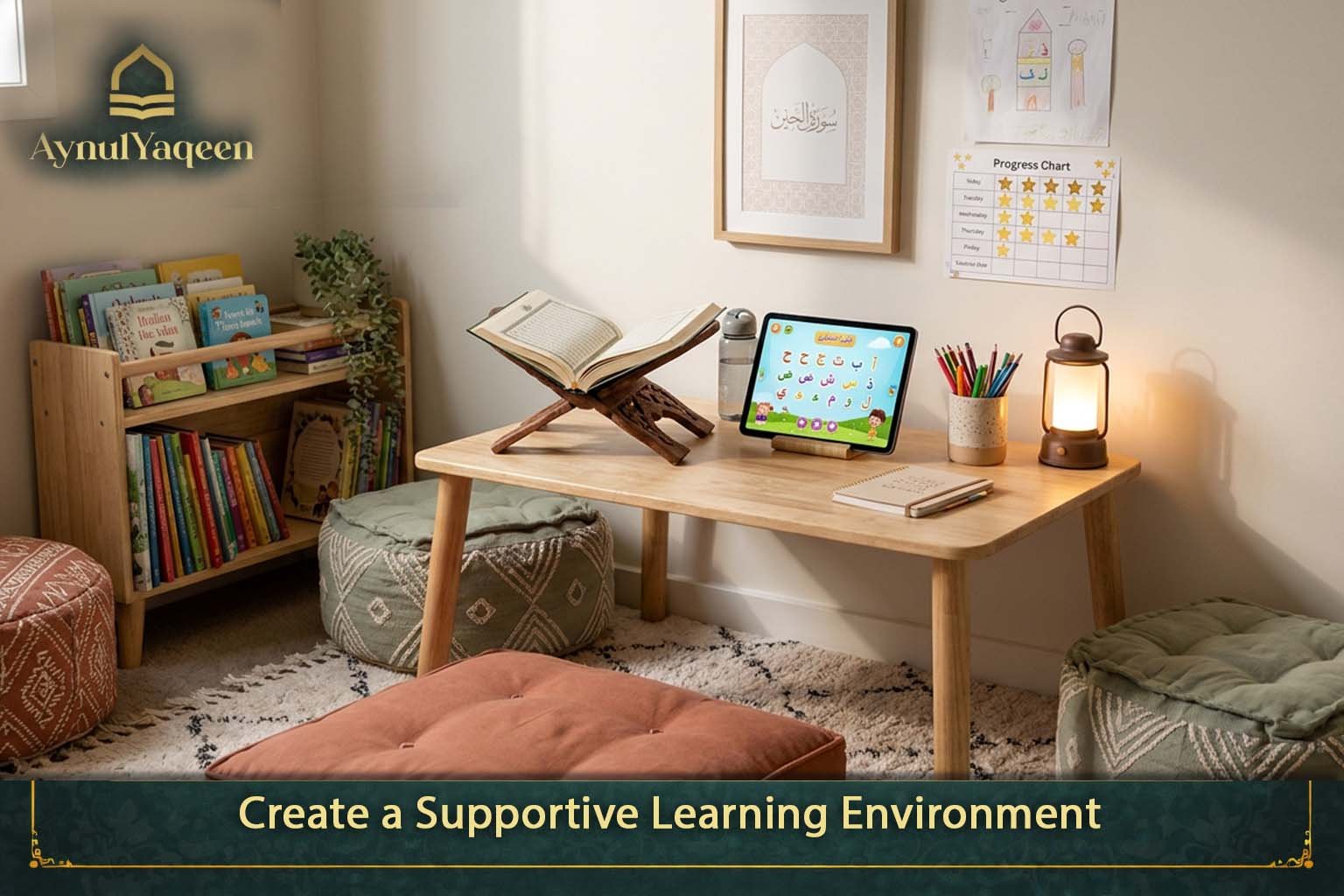
The atmosphere at home can influence a child’s attitude toward memorization. Parents considering how to motivate kids to memorize quran should make lessons feel calm, encouraging, and free from unnecessary competition.
Choose a quiet place where the child can hear the recitation clearly. Keep the Quran and learning materials accessible, and avoid scheduling practice when the child is hungry, exhausted, or already upset.
Family involvement can also strengthen motivation. Parents may listen to the child’s recitation, revise familiar verses together, or demonstrate that regular Quran learning is a valued part of family life.
A supportive environment reinforces how to motivate kids to memorize quran by helping children feel safe enough to ask questions, make mistakes, and try again. Avoid comparing siblings or classmates because children develop their memorization skills at different rates.
Balance New Memorization With Revision
Memorizing new verses is only one part of learning the Quran. Parents who want to understand how to motivate kids to memorize quran should also establish a realistic plan for reviewing previously learned passages.
Without regular revision, children may forget verses they once recited confidently. However, reviewing everything in one long session can become tiring, particularly when the child has several school or family commitments. A balanced session can include:
-
A short review of recent lessons.
-
A quick recall exercise covering older verses.
-
A small amount of new memorization.
-
A final recitation to identify areas needing more practice.
This balance explains how to motivate kids to memorize quran while protecting earlier progress. Adjust the amount of revision according to the child’s current ability, and give difficult passages additional practice instead of rushing ahead.
Make Revision Part of Every Session
Parents asking how to motivate kids to memorize quran should treat revision as part of learning. Regularly recalling earlier verses helps children retain them more reliably. A balanced session can include:
- Reviewing one or two familiar passages.
- Practicing the latest lesson.
- Learning a small new section if the child is ready.
- Reciting the new section together before finishing.
Parents learning how to motivate kids to memorize quran can schedule review later that day and again tomorrow. Difficult sections may need more practice.
When children forget verses, how to motivate kids to memorize quran includes calm, focused review. Forgetting calls for practice, not blame or shame. This protects confidence and keeps learning constructive.
Use a Progress Chart Without Pressure
A chart supports how to motivate kids to memorize quran by showing progress. Record practiced passages, completed revision, and the next goal.
Parents asking how to motivate kids to memorize quran can adapt tracking to age: younger children may enjoy stickers, while older learners can record progress more independently.
To learn how to motivate kids to memorize quran, praise attentive listening, correct pronunciation, revision, and regular attendance.
When considering how to motivate kids to memorize quran, keep progress personal, not competitive. Notice each improvement without comparing siblings or peers.
Respond Calmly to Mistakes
Knowing how to motivate kids to memorize quran means treating mistakes as normal while children develop Arabic reading skills or recall longer passages. Harsh criticism discourages recitation aloud.
To understand how to motivate kids to memorize quran, identify errors, model correct recitation, and invite another attempt. Practice difficult sounds separately before returning to the phrase. This gives children clearer practice guidance.
Parents learning how to motivate kids to memorize quran should distinguish memory lapses from pronunciation problems. A child may recall words but struggle with a letter, or pronounce well and forget the sequence entirely.
Parents asking how to motivate kids to memorize quran can pause when frustration rises. Responses show errors can be corrected without embarrassment and support learning.
Set a Positive Example at Home
Parents can demonstrate how to motivate kids to memorize quran by making time for recitation. Patience and consistency provide children with a practical example during everyday learning challenges.
Parents can show how to motivate kids to memorize quran at home by making time for recitation. Listen when children share a passage and celebrate progress without demanding performances.
Consistency between expectations and behavior matters. Asking children to remain patient while reacting angrily to their mistakes can create confusion.
A supportive household shows that Quran learning is valued by the family, not simply imposed as a task for children.
Offer Choices Within the Routine
Learning how to motivate kids to memorize quran includes offering small choices. Let children help shape practice without abandoning the schedule or removing clear expectations. Limited choices can encourage willing cooperation.
Parents deciding how to motivate kids to memorize quran can offer choices: children might begin with revision or listening, choose between passages, or select a sticker.
Keep the choices limited and appropriate. Parents can maintain clear expectations while allowing children to express preferences about activities, practice settings, and the order of familiar tasks.
This approach helps children feel heard and allows parents to discover which methods support concentration.
Balance Memorization With Daily Responsibilities
Understanding how to motivate kids to memorize quran also means balancing practice with schoolwork, sleep, meals, activity, and family life. Tired children may resist lessons because of exhaustion, not a lack of interest.
When deciding how to motivate kids to memorize quran during busy weeks, choose brief revision over new verses. Reduce the workload during exams or family commitments instead of stopping.
Watch for persistent distress, tiredness, or difficulty concentrating. These signs may indicate that the schedule or task size needs adjustment.
The goal is consistent learning that can continue over time, not a demanding plan that repeatedly leads to conflict.
Choose a Teacher Who Understands Children
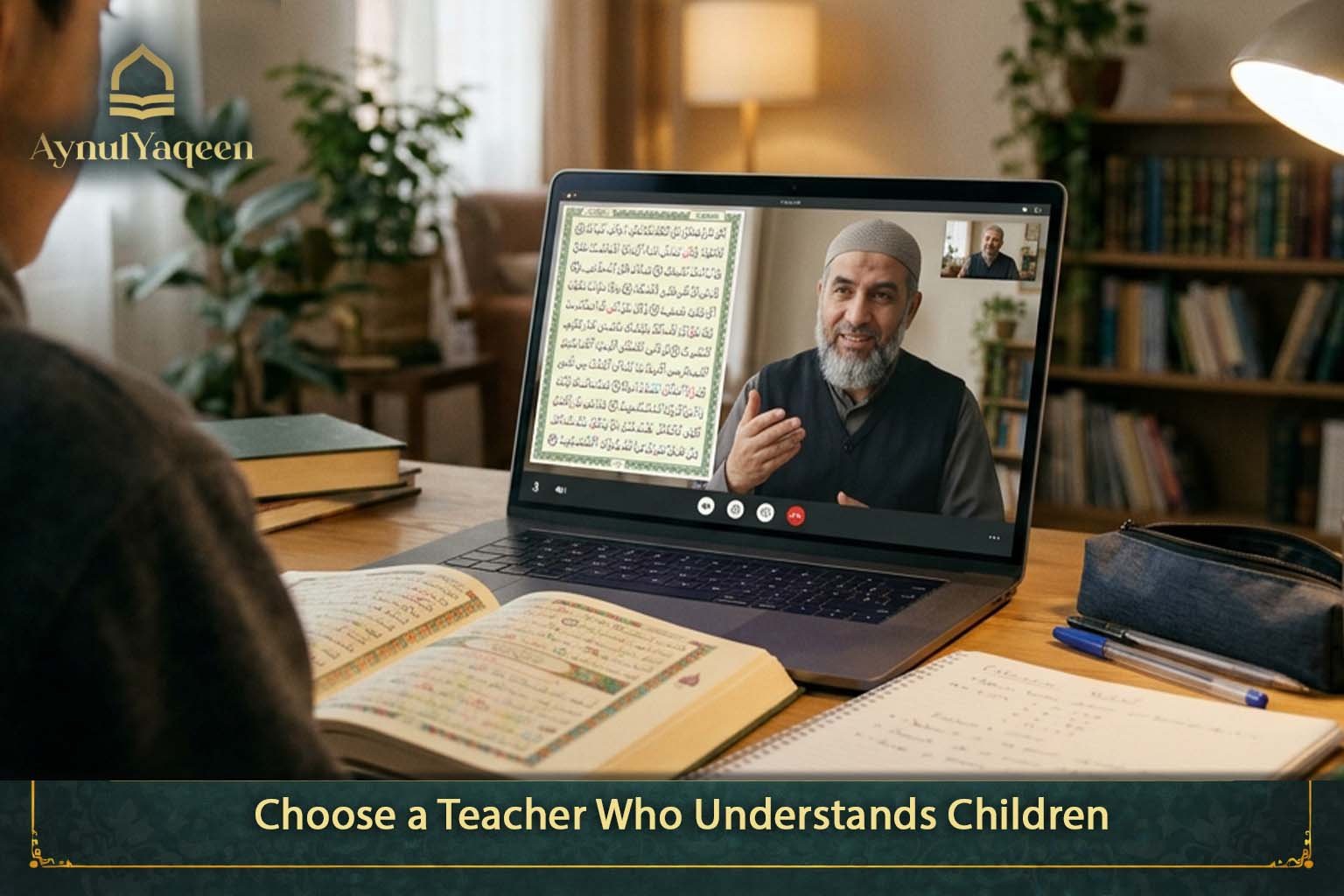
Parents exploring how to motivate kids to memorize quran may benefit from a qualified teacher. Suitable support depends on each child’s reading level, pronunciation, confidence, and need for structured feedback and guided home practice. Before choosing a course, ask:
-
How does the teacher assess the child’s current level?
-
How are pronunciation and Tajweed mistakes corrected?
-
How much time is devoted to revision?
-
How does the teacher respond when a child becomes discouraged?
-
How will parents learn about progress and areas needing practice?
Families researching How to find a Quran teacher in the UK should assess teaching experience, pronunciation correction, lesson flexibility, and communication with parents.
Aynulyaqeen Quran Academy may be an option for families exploring structured Quran learning. Parents should review the available arrangements and confirm that the teaching approach suits their child’s needs before enrolling.
Before choosing a program, parents can also research how much online quran classes cost to understand the factors that may affect their decision and compare suitable learning arrangements.
A teacher should complement the parent’s encouragement rather than replace it. Home practice and guided instruction can work together to support more consistent learning. Understanding the Importance of online Quran classes can also help parents evaluate the flexibility and individual guidance available through remote instruction.
Change the Approach When Needed
If a child repeatedly resists practice, increasing pressure may not solve the problem. The difficulty could involve reading skills, a passage that is too long, fear of making mistakes, tiredness, or a learning method that does not suit the child.
Try changing one factor at a time. Shorten the passage, move the session to a better time, add guided listening, or ask a qualified teacher to assess pronunciation.
Invite the child to explain what feels difficult. Questions such as “Which part should we practice together?” can encourage cooperation without making the child feel interrogated.
Changing an ineffective method is not giving up. It is a practical way to support accurate recitation, confidence, and long-term retention.
How to Motivate Kids to Memorize Quran at Different Ages?
Children’s learning needs change as they grow, so parents should adjust activities and expectations instead of using the same plan for every age group. Parents wondering At what age should I teach my child the Quran can consider their child’s attention span, language development, and readiness for short learning activities.
Preschool Children
Keep activities brief, warm, and repetitive. Listening to short passages and repeating a few words with a parent may be more appropriate than expecting independent memorization.
At this stage, building a positive association with Quran learning matters more than completing a demanding target.
Primary School Children
School-age children may be ready for clear goals, simple progress charts, and games that reinforce recall. However, reading ability varies, and some children need additional help with Arabic letters and pronunciation.
Older Children and Preteens
Older learners can gradually take responsibility for planning practice and identifying difficult sections. A written revision schedule and short self-assessments may help them develop independence.
Involve them in choosing realistic goals and discussing which forms of feedback help them learn effectively. Across all ages, progress should reflect the child’s ability rather than pressure to match another learner.
A Simple Weekly Quran Memorization Plan
A weekly plan can organize new learning and revision without making every day feel identical. Adjust this example to the child’s age, reading level, and schedule. Parents can also explore How many ayahs are in the Quran to understand the Quran’s structure and set realistic long-term learning goals.
| Day | Main activity | Practical goal |
|---|---|---|
| Monday | Learn a short passage | Practice pronunciation and recall |
| Tuesday | Review Monday’s lesson | Strengthen familiarity |
| Wednesday | Practice a new section | Connect it to previous learning |
| Thursday | Review recent passages | Identify difficult parts |
| Friday | Recite familiar passages | Build confidence |
| Saturday | Try a listening or recall activity | Add variety |
| Sunday | Review progress and rest as needed | Adjust the next week’s goals |
This is a starting point, not a fixed requirement. Some children need several sessions to learn a passage accurately, while others may progress more quickly.
If recall remains weak, prioritize revision before adding new material. During a busy week, maintain a shorter practice routine rather than forcing an unrealistic workload.
A flexible schedule helps parents understand how to motivate kids to memorize quran while maintaining a consistent connection with learning.
Common Mistakes Parents Should Avoid
Certain habits can unintentionally make Quran memorization more stressful, reducing children’s motivation, confidence, and willingness to practice consistently every day.
-
Comparing children: Each learner has different strengths and needs. Compare current performance with the child’s earlier progress instead.
-
Demanding too much new material: Large targets can leave insufficient time for accurate recitation and revision.
-
Correcting mistakes harshly: Provide a clear model and let the child try again without embarrassment.
-
Relying only on rewards: Celebrate effort and consistency instead of making gifts the main reason to practice.
-
Ignoring revision: Previously memorized passages still need review.
-
Expecting identical results every day: Concentration and recall naturally fluctuate.
-
Assuming reluctance means disobedience: First consider tiredness, confusion, anxiety, or a task that is too difficult.
Avoiding these habits creates a calmer learning environment and helps children continue practicing without unnecessary pressure.
How Can Aynulyaqeen Quran Academy Support Children’s Learning?
Families seeking additional teaching support may consider Aynulyaqeen Quran Academy when exploring structured Quran education. Before choosing a program, parents should understand whether its teaching arrangements fit the child’s current abilities and family routine. When evaluating Aynulyaqeen Quran Academy, ask about:
- Initial assessment: How does the teacher identify the child’s reading and memorization needs?
- Individual guidance: How are difficult verses and pronunciation challenges addressed?
- Revision: How are previously learned passages incorporated into lessons?
- Progress updates: What information do parents receive about improvement and remaining challenges?
- Lesson suitability: Can the approach accommodate the child’s age, attention span, and commitments?
Confirm current course details directly instead of assuming that every teaching option or feature is available.
Structured lessons can complement practice at home, but children still need encouragement outside class. A calm practice space, realistic targets, and regular review can help reinforce what they learn.
The most suitable arrangement is one that supports accurate recitation and steady progress without placing unnecessary pressure on the child.
How to Know Whether Your Child Is Making Progress?
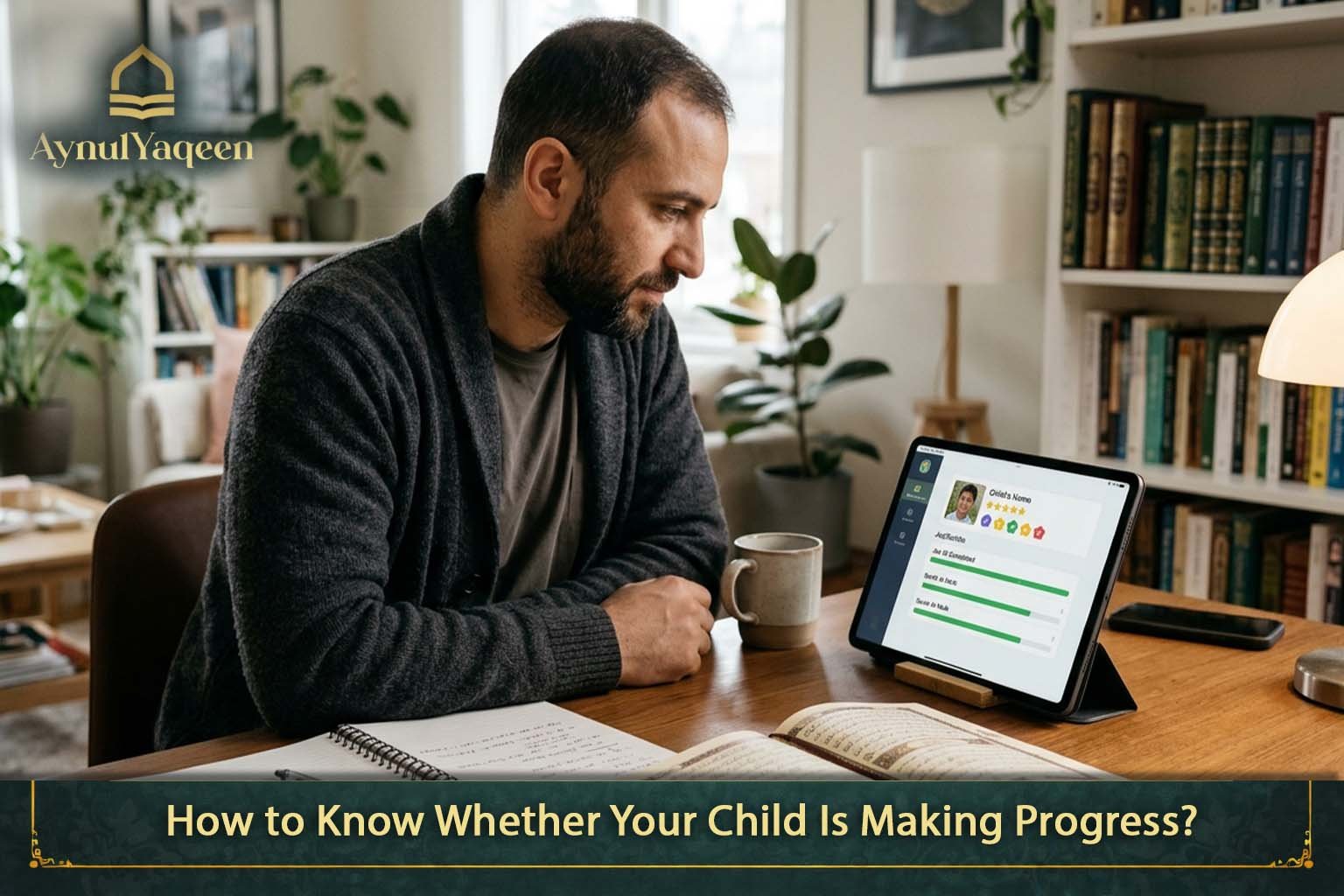
Progress involves more than counting completed surahs. A child may memorize new material quickly but struggle with older passages, while another may progress slowly and retain lessons accurately. Look for these indicators:
- Recall: Can the child recite without constant prompts?
- Accuracy: Are pronunciation and word order improving?
- Retention: Can the child remember a passage after a break between sessions?
- Independence: Can the child begin familiar practice with less assistance?
- Confidence: Is the child increasingly comfortable attempting recitation?
- Consistency: Is regular revision becoming a familiar habit?
Use these observations to decide what to practice next. If a child repeatedly forgets the ending of a passage, focus on that section rather than restarting the entire lesson every time.
A qualified teacher can help distinguish memory difficulties from reading or pronunciation challenges. Progress may fluctuate, so assess the overall direction rather than expecting perfect results every day.
Frequently Asked Questions
Frequently Asked Questions address common parental concerns about Quran memorization, motivation, effective learning methods, and practical ways to support children’s progress.
1. Should children memorize Quran before they can read Arabic independently?
Not necessarily. Children can become familiar with short passages through listening and guided repetition before they develop independent reading skills. They still need accurate recitation models and appropriate feedback. Learning Arabic letters and basic reading can help them follow the Mushaf more confidently over time.
2. What should parents do if a child forgets a verse during recitation?
Remain calm and give the child time to remember. If needed, provide a gentle prompt, review the difficult section, and practice it again later. Regular revision and identifying the exact point where recall breaks down can be more helpful than repeatedly starting from the beginning.
3. Is it better for children to memorize Quran individually or with siblings?
Both approaches can help, depending on the children’s personalities and learning needs. Individual practice allows focused feedback, while shared sessions can create companionship. A combination may work well, provided children are not compared or pressured to progress at the same rate.
4. How can parents maintain Quran learning during holidays or family travel?
Keep a flexible version of the usual routine. Children can listen to familiar recitations, review a short passage with a parent, or revisit previously learned material when time allows. If travel makes regular sessions impractical, prioritize manageable revision and resume the normal schedule when circumstances permit.
Conclusion
Learning how to motivate kids to memorize quran starts with recognizing that children need manageable goals, accurate guidance, revision, and encouragement. A predictable routine and age-appropriate activities can make practice easier to maintain.
Parents should praise genuine effort, respond calmly to mistakes, and adjust expectations when a child feels overwhelmed. When additional teaching support is needed, families can explore Aynulyaqeen Quran Academy and confirm whether its current arrangements suit their child’s needs.
Above all, avoid measuring success only by speed. Accurate recitation, improving recall, and growing confidence are meaningful signs of progress. With patience and suitable guidance, small daily efforts can become a lasting learning habit.
