

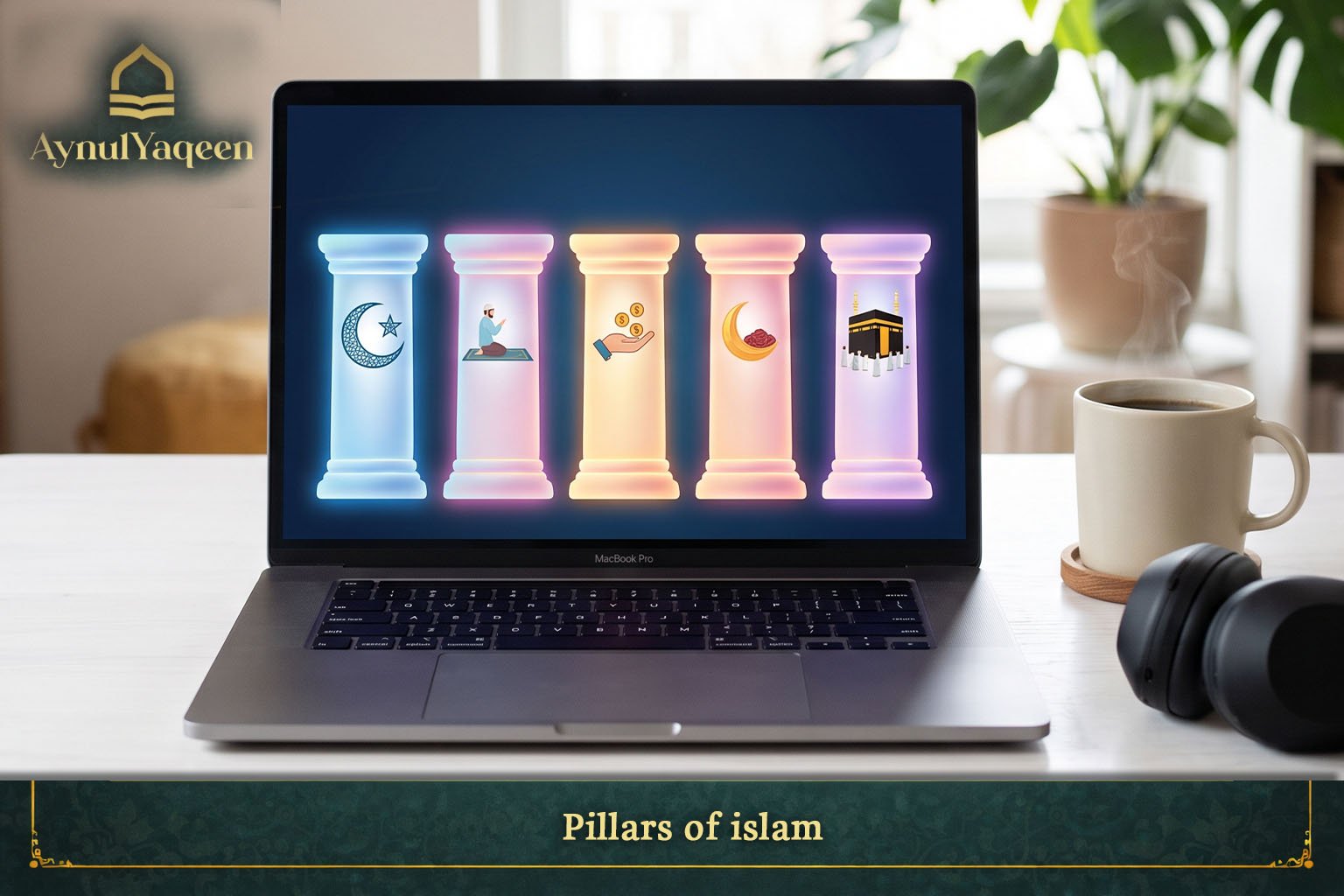
pillars of Islam are the foundation of every Muslim’s faith, worship, and daily life. They represent the five essential acts of devotion that guide believers in developing a strong connection with Allah and following the teachings of the Quran and Sunnah. Understanding these pillars helps Muslims recognize the importance of faith, prayer, charity, fasting, and pilgrimage as key elements of Islamic practice.
The pillars of Islam are more than religious obligations; they shape a believer’s character by encouraging sincerity, discipline, patience, gratitude, and compassion toward others. Each pillar carries valuable spiritual lessons that influence both personal growth and community relationships.
For anyone seeking authentic Islamic education, Aynulyaqeen Quran Academy provides structured lessons designed to explain these important foundations simply and practically. Through qualified teachers and organized courses, students can learn Islam, the meanings, benefits, and correct practices of the pillars of Islam while strengthening their understanding of Islamic teachings. This guide explores each pillar and its role in building a balanced Muslim life.
What Are the Pillars of Islam?
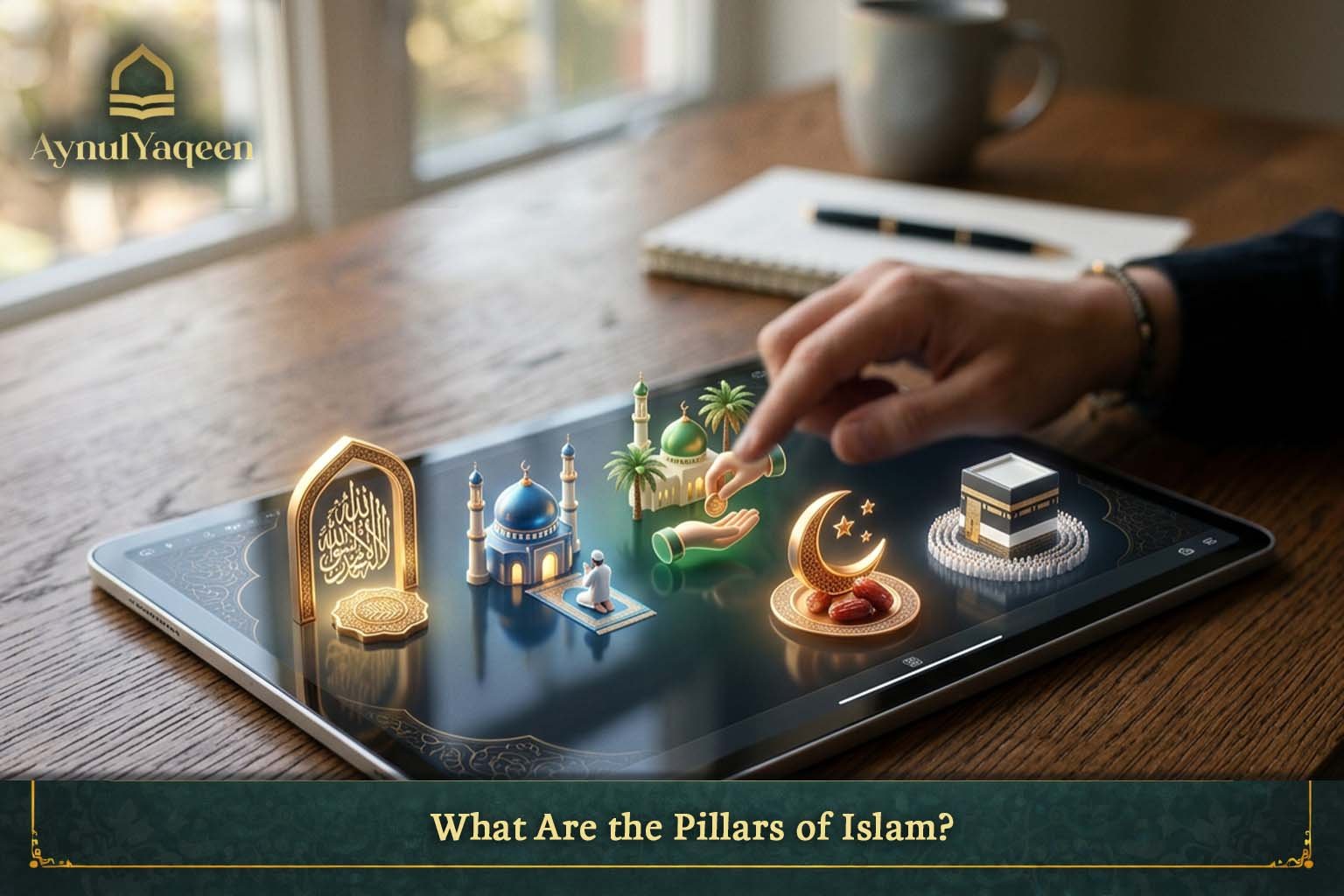
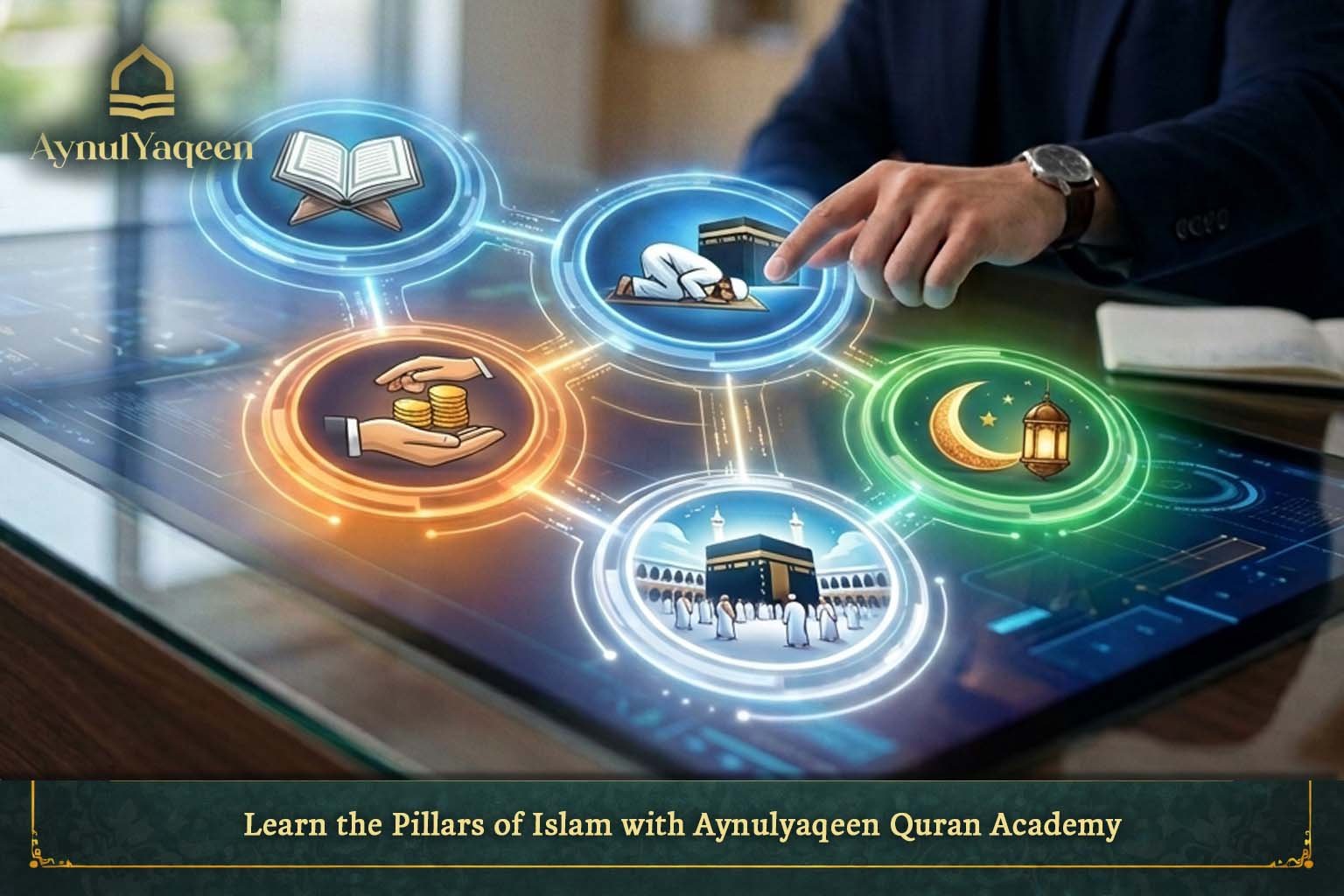
The pillars of Islam are the five mandatory acts of worship that form the core of Islamic practice. They were established by Allah and taught by the Prophet Muhammad (peace be upon him) as the foundation upon which every Muslim builds their religious life. These five pillars are:
- Shahada (Declaration of Faith)
- Salah (Daily Prayer)
- Zakat (Obligatory Charity)
- Sawm (Fasting During Ramadan)
- Hajj (Pilgrimage to Makkah)
Each pillar teaches a unique lesson while complementing the others. Together, they encourage Muslims to worship Allah sincerely, care for others, control personal desires, and remain conscious of their Creator throughout every stage of life.
The pillars of Islam are not optional recommendations. They are essential obligations for Muslims who meet the required conditions. However, Islam also recognizes personal circumstances, offering exemptions or alternatives when illness, financial hardship, or other valid reasons prevent someone from fulfilling certain acts of worship.
Learn Online with Aynulyaqeen Quran Academy
Choosing the right online Quran academy can make a significant difference in your learning journey. Aynulyaqeen Quran Academy provides structured Quran courses for beginners and advanced learners, focusing on accurate Quran reading, Tajweed, memorisation, and Islamic studies.
With qualified teachers, flexible class schedules, and personalised one-on-one lessons, students of all ages can learn at their own pace while building confidence in reciting and understanding the Holy Quran from anywhere in the world.

Why the Pillars of Islam Matter in Everyday Life?
Many people assume religion only influences worship inside places of prayer. Islam presents a different perspective. The pillars of Islam extend into every aspect of life, shaping character, relationships, financial responsibility, and personal discipline.
Every pillar contributes to spiritual growth while also improving social behavior. Prayer encourages punctuality and remembrance of Allah. Charity promotes compassion and reduces inequality. Fasting strengthens patience and self-control. Pilgrimage teaches humility and unity among Muslims from every nation.
These acts are repeated throughout life, allowing believers to constantly renew their faith instead of limiting worship to special occasions.
The wisdom behind the pillars of Islam becomes clearer when observing how they influence both individuals and communities. Families pray together, communities support those in need through Zakat, and Ramadan creates a spirit of generosity that reaches millions of people worldwide.
The Origin of the Pillars of Islam
The concept of the pillars of Islam comes directly from authentic Islamic fiqh basics teachings. Prophet Muhammad (peace be upon him) explained that Islam is built upon five pillars, emphasizing that these acts are the structural foundation of the religion.
Just as a building cannot remain standing without strong supports, a Muslim’s religious life requires these essential acts to remain balanced and complete.
The Quran repeatedly emphasizes faith, prayer, charity, fasting, and pilgrimage, while the Sunnah explains how each pillar should be practiced correctly.
Because of this strong foundation in Islamic sources, Muslims across every generation have preserved the same pillars without change.
Understanding the Spiritual Purpose Behind the Pillars of Islam
While each pillar includes physical actions, their greatest purpose is spiritual transformation. The pillars of Islam are designed to develop sincerity, gratitude, humility, and complete reliance on Allah.For example:
- Prayer reminds Muslims that Allah remains the center of life.
- Charity teaches that wealth is a trust from Allah.
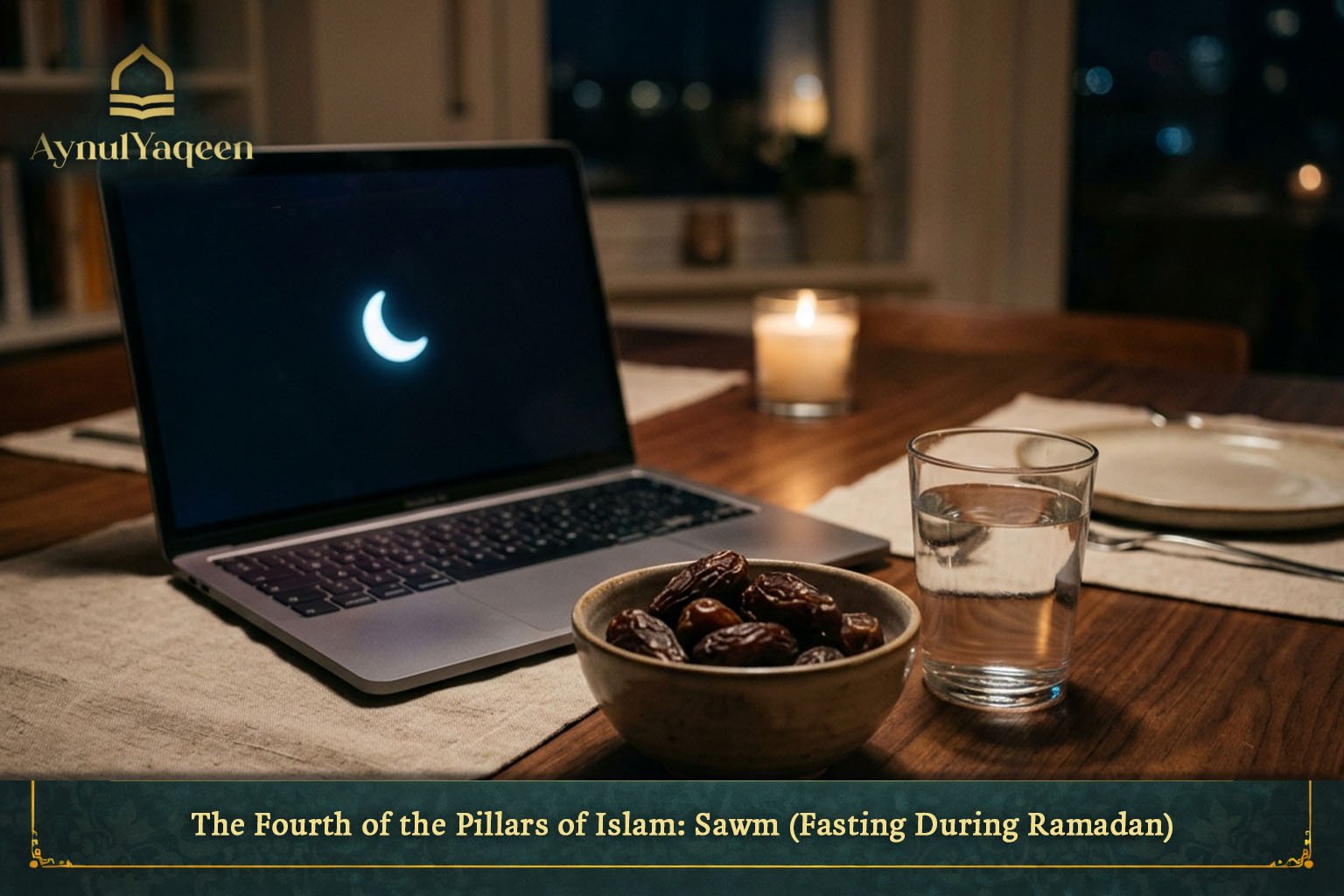
- Fasting controls desires and develops patience.
- Pilgrimage demonstrates equality before Allah.
- The declaration of faith establishes complete belief in the Oneness of Allah.
These lessons continue throughout a believer’s lifetime, making Islam a religion of continuous personal development rather than occasional worship.
How the Pillars of Islam Build Strong Character?
The pillars of Islam influence much more than religious rituals. They shape personal character in practical ways. A Muslim who prays consistently often becomes more disciplined with time management.
Someone who gives charity regularly develops generosity instead of selfishness. A person who fasts learns patience, gratitude, and empathy toward those experiencing hunger.
Pilgrimage teaches humility because every pilgrim wears simple clothing regardless of wealth or social status. Even the declaration of faith builds confidence by reminding believers that ultimate dependence belongs only to Allah.
These qualities gradually become part of daily behavior, affecting family relationships, business ethics, education, and community service.
Pillars of Islam and the Unity of Muslims
One remarkable feature of the pillars of Islam is their ability to unite Muslims across the world. Although Muslims come from different cultures and speak hundreds of languages, they perform the same prayers, fast during the same month, pay Zakat according to the same principles, and perform What is Hajj in Islam following the same rituals.
This shared practice creates a powerful sense of belonging to one global community. The unity created by these pillars is especially visible during Ramadan and Hajj, when millions of Muslims worship together despite differences in nationality, ethnicity, or social background.
Learning the Pillars of Islam Correctly
Studying the pillars of Islam from qualified teachers helps students understand not only the rules but also the wisdom behind each act of worship.
Many families today choose structured online Islamic education to ensure children and adults learn Islam online in usa authentic knowledge in an organized way.
Aynulyaqeen Quran Academy provides students with opportunities to study Islamic fundamentals through experienced teachers who explain the Five Pillars step by step. Lessons combine Quranic evidence, authentic Hadith, and practical guidance suitable for learners of different ages.
Whether someone is new to Islam or reviewing existing knowledge, Aynulyaqeen Quran Academy helps build a strong understanding of Islamic foundations before moving into more advanced subjects.
Preparing to Learn Each of the Five Pillars
Before studying each pillar individually, it is helpful to understand that they work together rather than separately.
- The declaration of faith establishes belief.
- Prayer strengthens daily connection with Allah.
- Charity purifies wealth.
- Fasting strengthens the soul.
- Pilgrimage completes a lifelong spiritual journey for those who are able.
In the next section, we will explore every pillar in detail, beginning with Shahada and continuing through Salah, Zakat, Sawm, and Hajj. Each pillar carries profound wisdom that shapes the life of every practicing Muslim while demonstrating why the pillars of Islam remain the foundation of Islamic faith across every generation.
The First of the Pillars of Islam: Shahada (Declaration of Faith)
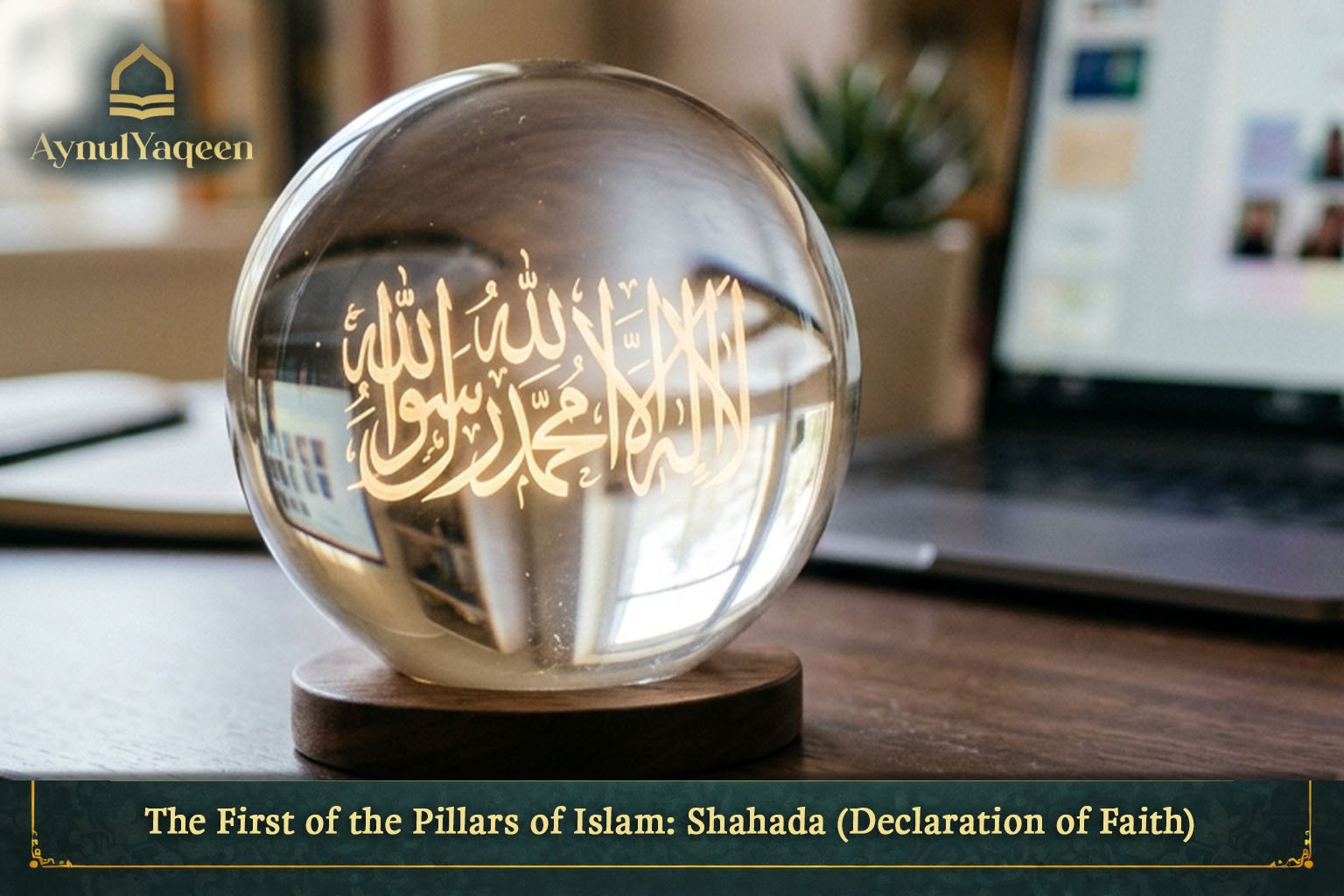
The first of the pillars of Islam is Shahada, the declaration of faith. It is the gateway to Islam and the foundation upon which every other act of worship is built. Without sincere belief in Allah and His Messenger, the remaining pillars lose their spiritual meaning.
The Shahada states:
“There is no god but Allah, and Muhammad is the Messenger of Allah.”
This simple yet profound testimony reflects the essence of Islamic belief. It confirms that Allah alone deserves worship and that Prophet Muhammad (peace be upon him) delivered Allah’s final message to humanity.
When someone embraces Islam, sincerely reciting the Shahada marks the beginning of a new spiritual journey. However, Shahada is not merely a statement spoken once in a lifetime. Muslims renew its meaning every day by living according to its teachings.
Believing in the Shahada influences every decision a Muslim makes. It encourages honesty, patience, gratitude, trust in Allah, and obedience to His commands. It reminds believers that success is measured not only by worldly achievements but also by faith and righteous deeds.
Learning the meaning behind the Shahada helps Muslims strengthen their relationship with Allah and understand why it remains the most important of the pillars of Islam.
The Second of the Pillars of Islam: Salah (Daily Prayer)
The second of the pillars of Islam is Salah, the five daily prayers performed at specific times throughout the day.
Prayer is one of the greatest acts of worship because it creates a direct connection between the servant and Allah without any intermediary. Muslims perform five obligatory prayers every day:
- Fajr
- Dhuhr
- Asr
- Maghrib
- Isha
Salah reminds Muslims to pause throughout the day and strengthen their connection with Allah, regardless of their daily responsibilities. Through standing, bowing, prostrating, and reciting the Quran, believers express humility and devotion.
The five daily prayers also encourage discipline, punctuality, and spiritual balance while bringing Muslims together in unity through congregational worship. To help students learn Salah correctly, Aynulyaqeen Quran Academy provides structured lessons that explain its rulings and practical steps in a clear and accessible way.
Spiritual Benefits of Salah
Salah offers countless spiritual rewards. It strengthens faith by encouraging regular remembrance of Allah.
It protects believers from sinful behavior because a person who constantly remembers Allah becomes more aware of their actions.
Prayer also provides emotional comfort. During moments of stress or hardship, Muslims turn to Allah through Salah, seeking guidance and peace.
Another important benefit is gratitude. Every prayer reminds believers to appreciate Allah’s countless blessings, including health, family, provision, and faith itself.
These spiritual lessons explain why Salah occupies such an important position among the pillars of Islam.
The Third of the Pillars of Islam: Zakat (Obligatory Charity)
The third of the pillars of Islam is Zakat, the obligatory charity that purifies wealth while supporting those in need.
Unlike voluntary charity, Zakat is a required act of worship for Muslims whose wealth reaches a minimum threshold known as Nisab.
Generally, eligible Muslims give 2.5% of their qualifying savings and assets each lunar year. The purpose of Zakat extends far beyond financial assistance. It teaches believers that wealth belongs ultimately to Allah and that human beings are only trustees responsible for using it wisely.By giving Zakat, Muslims help:
- Poor families
- Orphans
- People struggling with debt
- Travelers in need
- Other eligible recipients defined in Islamic law
This system strengthens social solidarity while reducing poverty and hardship. Zakat also benefits the giver.
It removes greed, increases gratitude, and reminds believers that true success comes from generosity rather than material accumulation.
One of the remarkable characteristics of Islam is that acts benefiting society also strengthen personal faith. Zakat perfectly demonstrates this balance.
How Does Zakat Improve Society?
Communities become stronger when people support one another. The third of the pillars of Islam creates an organized system of compassion rather than leaving charity entirely to personal choice. When Muslims fulfill their Zakat obligations correctly:
- Families receive essential support.
- Communities experience greater stability.
- Economic inequality decreases.
- Social responsibility increases.
- Brotherhood among Muslims grows stronger.
This balanced financial system has remained an important part of Islamic civilization for centuries.
Learning Zakat Correctly
Although calculating Zakat appears simple, many Muslims have questions regarding savings, investments, gold, business assets, and modern financial situations. For this reason, proper Islamic education is essential.
Aynulyaqeen Quran Academy helps students understand the principles of Zakat through authentic Quranic teachings and reliable scholarly explanations. Learning these rulings allows Muslims to fulfill this important obligation confidently and correctly.
The Relationship Between Faith and Action
One reason the pillars of Islam are so powerful is that they combine belief with practical action. Islam does not separate faith from daily life.
Instead, belief influences worship, worship influences character, and character influences society. For example:
- A Muslim believes in Allah through the Shahada.
- That belief motivates regular prayer.
- Prayer strengthens sincerity.
- Sincerity encourages generosity through Zakat.
- Generosity improves relationships with others.
This continuous cycle demonstrates how each pillar supports the next, creating a complete way of life rather than isolated religious rituals.
Why Every Muslim Should Study the Pillars Carefully?
Many Muslims grow up practicing Islam without fully understanding the wisdom behind every pillar. Studying the pillars of Islam in depth allows believers to worship with greater sincerity and confidence.
Knowledge transforms routine actions into meaningful acts of devotion. Instead of praying simply because it is required, Muslims begin to appreciate its spiritual benefits.
Instead of viewing charity as an obligation, they recognize it as an opportunity to earn Allah’s pleasure while helping others. This deeper understanding strengthens faith throughout every stage of life.
Teaching Children the Pillars of Islam
Children learn Islam online best when Islamic teachings are presented gradually through practical examples. Parents should introduce each of the pillars of Islam using simple language appropriate for the child’s age. For example:
- Teach the Shahada by explaining Allah’s Oneness.
- Encourage children to observe family prayers.
- Explain charity by involving them in helping others.
- Allow them to experience short practice fasts before Ramadan.
- Share stories about Hajj using maps and pictures of Makkah.
Interactive learning makes Islamic education enjoyable while helping children remember these essential principles throughout adulthood.
Structured programs at Aynulyaqeen Quran Academy combine Quran recitation, Islamic studies, and practical lessons that help young learners understand these foundations with confidence.
Looking for something age-appropriate for a child? Take a look at our Quran classes for kids in the UK.
