

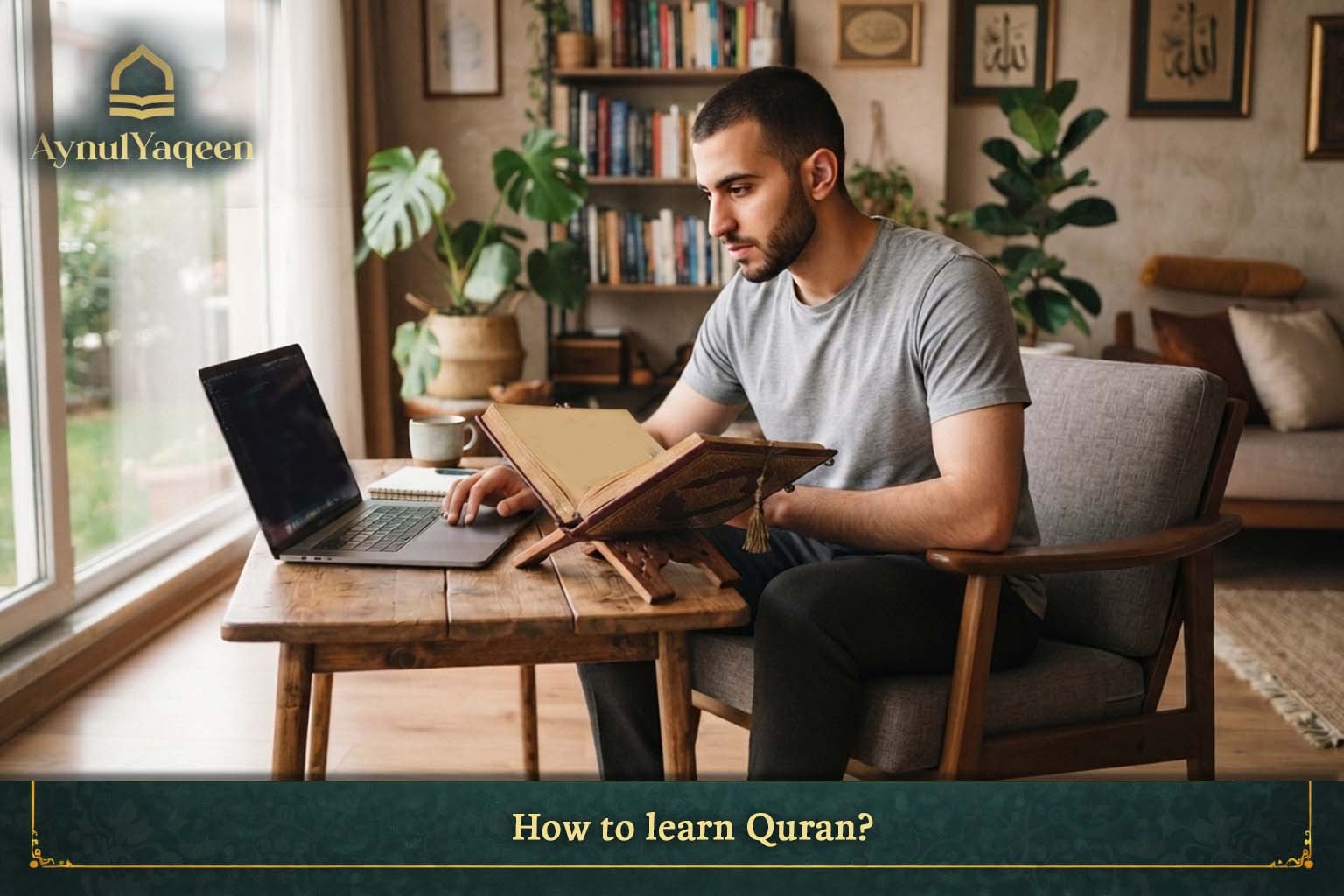
How to learn Quran is a journey that begins with sincere intention, consistent practice, and the right guidance. Whether you are a complete beginner or returning to Quran study after many years, following a structured learning path makes the process easier and more rewarding.
From mastering the Arabic alphabet to applying Tajweed rules and building confidence in recitation, every step brings you closer to understanding the words of Allah.
With the support of qualified teachers and well-designed courses at Aynulyaqeen Quran Academy, learners of all ages can develop accurate Quran reading skills at their own pace while strengthening their spiritual connection with the Holy Quran.
How to Learn the Quran for Beginners?
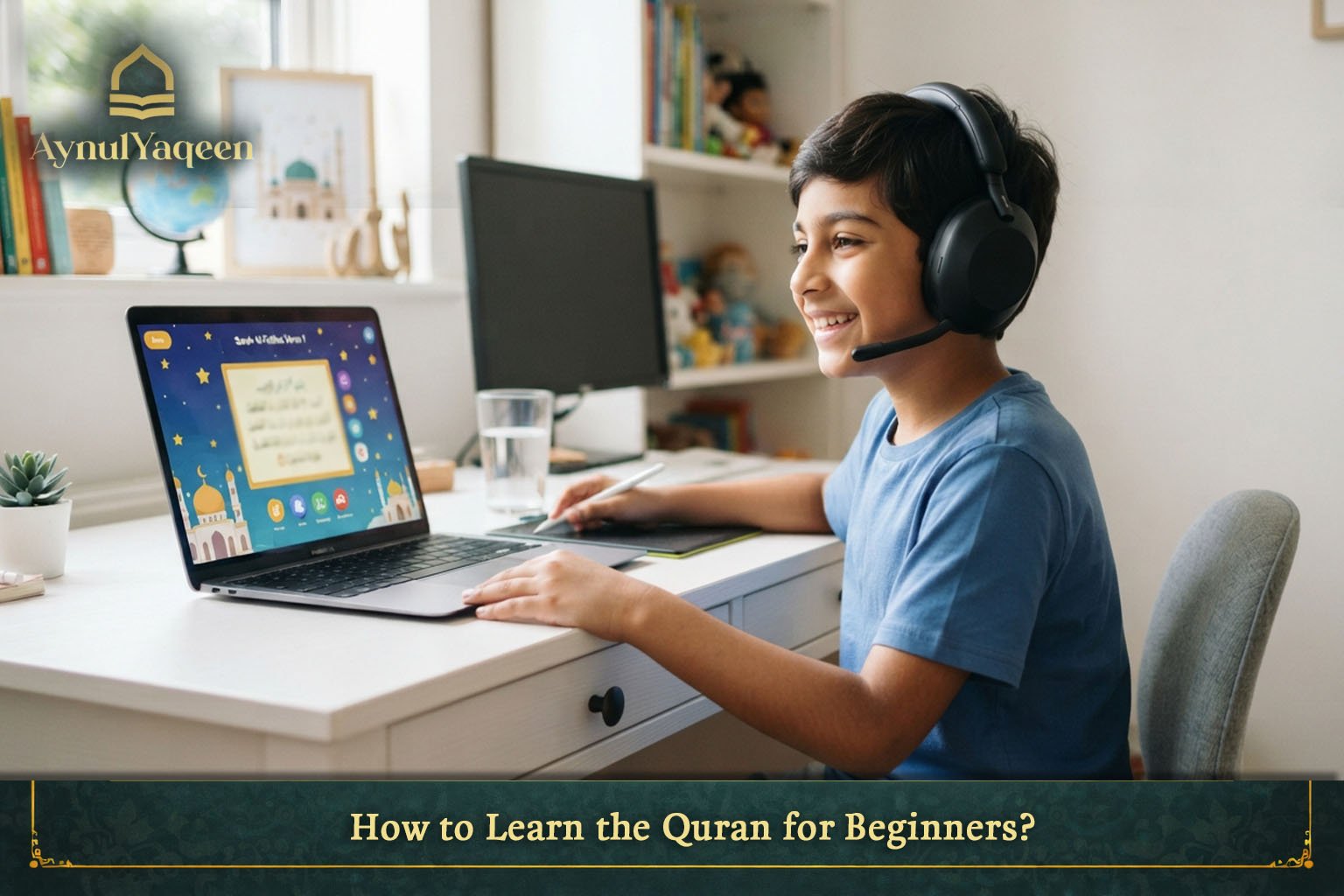
Learning the Quran is one of the most meaningful journeys a Muslim can begin. It is not simply about reading Arabic words correctly; it is about building a lifelong relationship with the words of Allah through understanding, consistency, and sincere effort. Many people, whether children, teenagers, or adults, wonder where to start and how to make steady progress without feeling overwhelmed.
The good news is that learning the Quran has become easier than ever before. Modern teaching methods, qualified instructors, and online learning opportunities have made Quran education accessible to students from every part of the world. With the right plan, regular practice, and guidance from experienced teachers, anyone can develop the confidence to read, recite, memorize, and understand the Quran step by step.
This guide explains everything beginners need to know, from preparing for the first lesson to developing daily habits that lead to lasting improvement. Whether your goal is correct recitation, memorization, or strengthening your connection with the Quran, every step you take brings you closer to achieving it.
Learn Online with Aynulyaqeen Quran Academy
Choosing the right online Quran academy can make a significant difference in your learning journey. Aynulyaqeen Quran Academy provides structured Quran courses for beginners and advanced learners, focusing on accurate Quran reading, Tajweed, memorization, and Islamic studies.
With qualified teachers, flexible class schedules, and personalized one-on-one lessons, students of all ages can learn at their own pace while building confidence in reciting and understanding the Holy Quran from anywhere in the world.

Every Muslim benefits from learning the Quran regardless of age or background. While many people begin during childhood, countless adults successfully start later in life and make remarkable progress. What matters most is consistency rather than speed.
The Quran offers guidance in every aspect of life. Regular recitation strengthens faith, increases inner peace, and encourages good character. Beyond the spiritual rewards, studying the Quran also improves concentration, discipline, and patience.
Beginners often worry about making mistakes. However, every learner starts from the same point. Small improvements made every day eventually become lasting skills. Instead of comparing yourself with experienced reciters, focus on your own progress and celebrate each new lesson you master.
Preparing Before You Start Learning
A successful learning journey begins with proper preparation. Setting realistic expectations helps maintain motivation throughout the process.
Choose a quiet environment where you can study without distractions. Keep your Mushaf, notebook, and any learning materials nearby so that each study session remains organized. Having a regular schedule is equally important because learning becomes much easier when it turns into a daily habit.
Most beginners find that studying for twenty to thirty minutes every day produces better results than studying for several hours once a week. Frequent revision allows information to remain fresh while gradually improving pronunciation and fluency.
Equally important is making a sincere intention. Learning the Quran is an act of worship, and beginning with the intention of seeking Allah’s pleasure gives every lesson greater meaning.
Understanding the Arabic Alphabet
Before reading complete verses, learners should become familiar with the Arabic alphabet. Every letter has its own sound, shape, and pronunciation point.
Unlike many languages, Arabic letters change their appearance depending on their position within a word. At first this may seem challenging, but repeated exposure quickly makes these patterns familiar.
Students should focus on recognizing each letter individually before learning how letters connect. Once recognition becomes automatic, reading simple words becomes much easier.
Listening carefully to qualified teachers while repeating each letter helps establish correct pronunciation from the beginning, reducing mistakes that become difficult to correct later.
Learning the Correct Pronunciation
One of the most important foundations of Quran recitation is learning how each Arabic letter is pronounced correctly.
Some Arabic sounds do not exist in English or other languages. Because of this, learners should pay close attention to the articulation points of every letter instead of relying on similar sounds from their native language.
Practicing slowly allows students to distinguish between letters that appear similar but are pronounced differently. Recording your own recitation and comparing it with your teacher’s recitation is another effective way to identify areas that need improvement. Developing accurate pronunciation early creates a strong foundation for advanced Quran study
Build Strong Quran Reading Skills
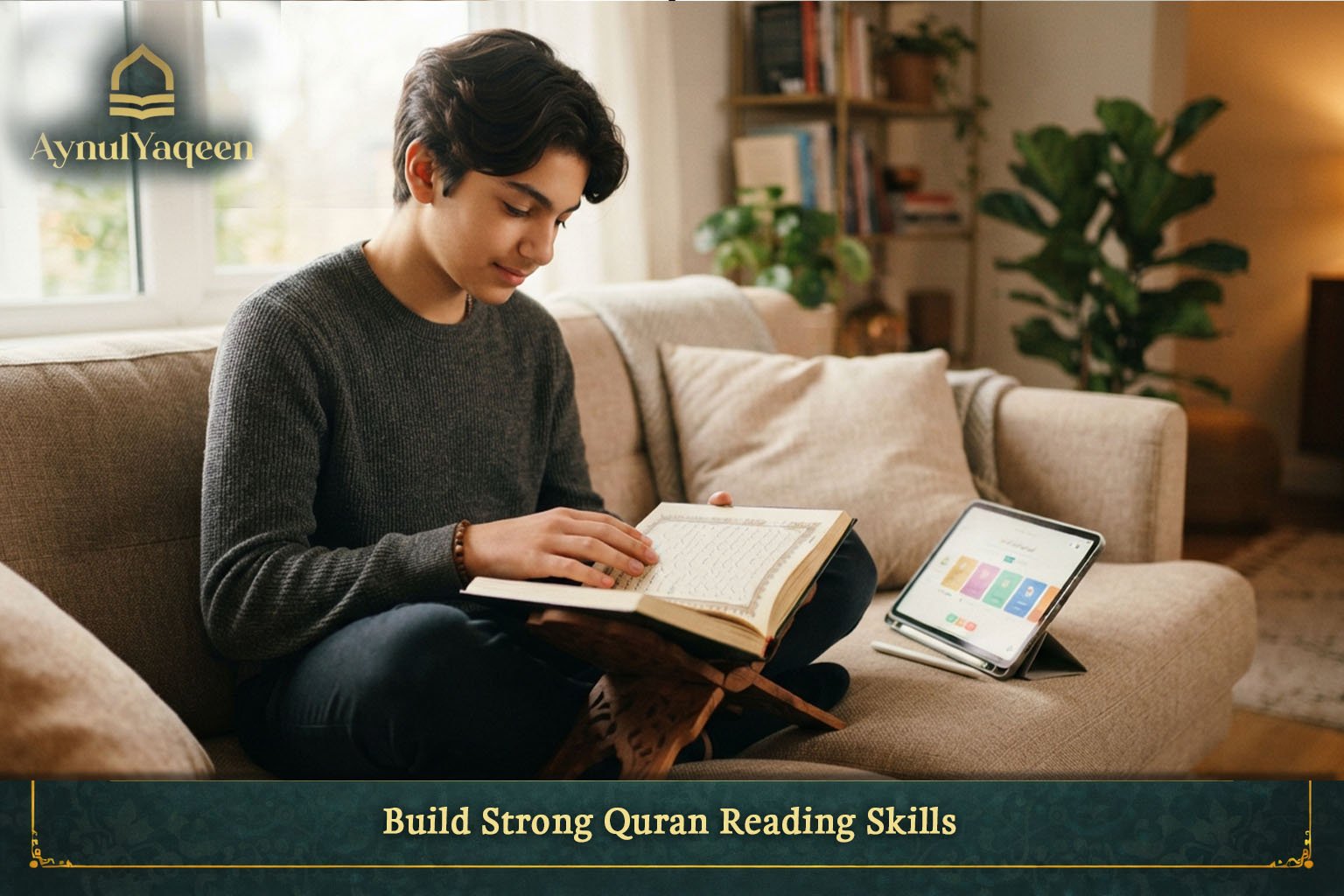
Developing strong reading skills is an essential step in how to learn quran effectively. After recognizing Arabic letters and mastering their sounds, learners begin combining them into words, phrases, and complete verses. This gradual process builds confidence and lays the foundation for accurate Quran recitation. To improve reading skills successfully, focus on the following practices:
- Read slowly and carefully instead of rushing through verses. Accuracy is always more important than speed, especially for beginners.
- Revise previous lessons regularly before moving on to new material. Frequent review helps transform newly learned skills into long-term habits.
- Practice reading aloud every day. This strengthens pronunciation, improves fluency, and helps you recognize pauses and the natural rhythm of Quran recitation.
- Listen to qualified Quran reciters and compare your recitation with theirs to identify areas for improvement.
- Set realistic daily goals and remain consistent. Small, regular study sessions produce better long-term results than occasional lengthy lessons.
Anyone wondering how to learn the Quran for beginners should remember that fluency develops with patience and consistent practice. Every correctly pronounced word increases confidence and prepares learners for more advanced Quran reading.
Following these simple habits creates a solid foundation for lifelong Quran study. As you continue practicing, you will notice gradual improvement in both pronunciation and reading fluency, making how to learn quran an enjoyable and rewarding journey.
Learning Basic Tajweed Rules
Correct Quran recitation depends on properly applying Tajweed rules. These rules preserve the original pronunciation of every verse and protect the meaning of the Quran.
Beginners do not need to memorize every Tajweed rule immediately. Instead, they should learn the Quran and Tajweed gradually while practicing practical examples during recitation.
Important beginner topics include:
- Correct articulation points.
- Short and long vowel sounds.
- Rules of Noon Sakinah and Tanween.
- Proper stopping and starting.
- Basic elongation rules.
Learning these topics step by step makes Tajweed much easier than trying to study everything at once.
Creating an Effective Daily Study Routine
Consistency remains the secret behind long-term success. A practical daily routine may include reviewing previous lessons, practicing pronunciation, reading several new lines, and listening to an experienced reciter.
Even short study sessions produce excellent results when repeated consistently. Missing occasional days is normal, but returning quickly to your schedule prevents long interruptions from slowing your progress.
Many successful students also keep a notebook to record difficult words, pronunciation challenges, and new Tajweed rules. Reviewing these notes regularly accelerates improvement.
Common Challenges Beginners Face
Nearly every beginner experiences similar obstacles during the learning process. Some students become discouraged because they believe they are progressing too slowly. Others struggle with pronunciation or remembering previously learned lessons.
Fortunately, these challenges are completely normal. Improvement comes through repetition rather than perfection. Every lesson builds upon earlier lessons, making future learning easier than it initially appears. Maintaining realistic expectations helps learners stay motivated even when progress seems gradual.
The Importance of Learning With Qualified Teachers
Although books, videos, and mobile applications provide valuable support, learning from experienced best quran teachers online remains one of the fastest ways to improve.
Qualified instructors identify pronunciation mistakes immediately before they become permanent habits. They also provide personalized advice that matches each student’s learning style.
Students receive encouragement, correction, and structured lessons that keep them progressing steadily from one level to the next.
For learners seeking organized online education, Aynulyaqeen Quran Academy offers structured programs that guide beginners through Arabic letters, Quran reading, Tajweed fundamentals, and regular supervised practice. Personalized instruction allows students to build confidence while progressing at a comfortable pace.
How Technology Makes Quran Learning Easier?
Technology has transformed Quran education in remarkable ways. Students can now attend live online classes, review recorded lessons, listen to professional recitations, and access digital learning resources from virtually anywhere.
Interactive learning also allows teachers to monitor pronunciation, assign homework, and provide immediate feedback during virtual sessions.
These tools make learning more flexible for busy adults, university students, and families balancing multiple responsibilities.
Modern technology should support regular study rather than replace qualified instruction. Combining both approaches often produces the best way to learn quran learning experience.
Memorizing the Quran Step by Step
Many learners dream of memorizing the Quran but feel uncertain about where to begin. The most successful approach is to focus on quality rather than quantity. Memorizing a small number of verses with proper pronunciation and regular revision is far more effective than trying to memorize large portions quickly.
A practical method is to recite each verse several times while looking at the Mushaf, then repeat it from memory until it becomes familiar. Revising previously memorized passages every day is just as important as learning new ones because regular review strengthens long-term retention.
Memorization should always be accompanied by correct recitation. Building strong habits from the beginning ensures that memorized verses remain accurate throughout life.
Understanding the Meaning Alongside Recitation
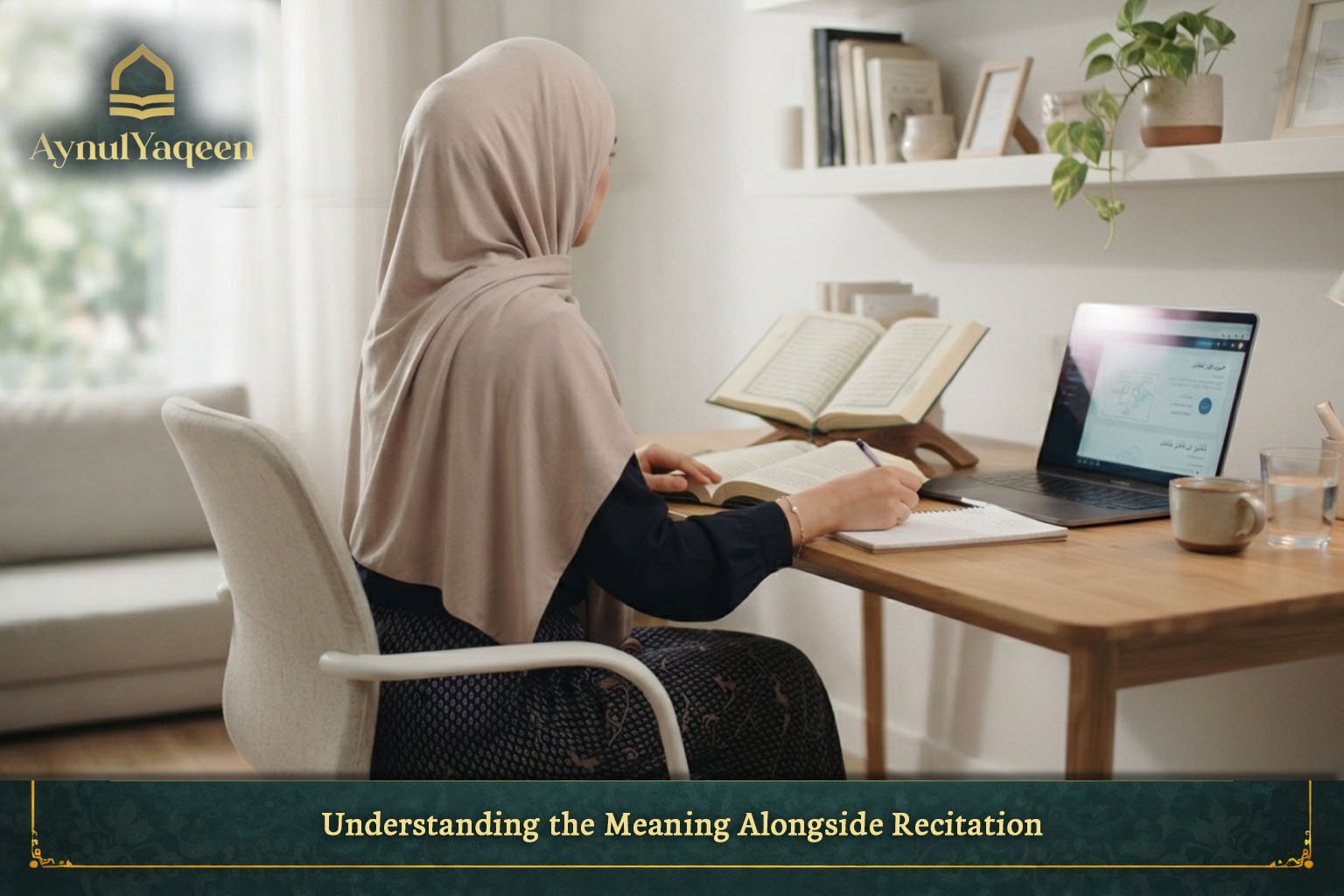
Reading the Quran correctly is an important achievement, but understanding its message deepens the learning experience. Beginners are encouraged to read reliable translations and simple explanations after completing their recitation practice.
Learning the meanings behind the verses increases concentration during recitation and helps learners reflect on Allah’s guidance in everyday life. This balanced approach strengthens both knowledge and spiritual growth.
Students should remember that understanding develops gradually. There is no need to rush through complex subjects. Consistent study over time creates a much stronger foundation than trying to learn quran online in the USA, everything at once.
Developing Confidence Through Regular Practice
Confidence is built through repetition. Every lesson completed and every verse recited correctly contribute to noticeable improvement.
Many beginners hesitate to read aloud because they fear making mistakes. In reality, making mistakes is a natural part of learning. Regular correction from a qualified teacher allows those mistakes to become valuable learning opportunities instead of lasting habits.
Setting achievable weekly goals also helps maintain motivation. Completing one lesson, improving a specific Tajweed rule, or reading a new Surah correctly provides a sense of accomplishment that encourages continued learning.
Choosing the Right Learning Environment
A supportive learning environment plays a significant role in long-term success. Students benefit from studying in a calm atmosphere where they can focus without unnecessary distractions.
Learning alongside encouraging teachers and classmates often increases motivation. Constructive feedback, regular assessments, and clear lesson plans help learners recognize their progress while identifying areas that still require attention.
Families can also contribute by encouraging consistent study routines and celebrating small achievements. Positive reinforcement helps both children and adults remain committed to their Quran learning goals.
Practical Tips for Long-Term Success
Building a lasting relationship with the Quran requires consistency more than intensity. The following habits help learners continue progressing over time:
- Set a fixed study schedule every day.
- Revise previous lessons before starting new material.
- Listen regularly to skilled Quran reciters.
- Practice slowly instead of rushing through verses.
- Keep a notebook for Tajweed rules and pronunciation notes.
- Ask questions whenever something is unclear.
- Remain patient and trust the learning process.
These simple habits help beginners improve their Quran reading skills with steady progress. Consistent practice, regular revision, and proper guidance build confidence, strengthen pronunciation, enhance fluency, and create a solid foundation for accurate and meaningful Quran recitation.
Finding Structured Guidance
Self-study can introduce learners to the basics, but structured instruction often produces faster and more accurate results. Organized lessons ensure that students master each stage before moving to the next one.
Those searching for how to learn quran effectively often benefit from a curriculum that combines Arabic reading, Tajweed, supervised recitation, and continuous assessment. A structured learning path reduces confusion and allows students to focus on one objective at a time.
For learners who prefer online education, Aynulyaqeen Quran Academy provides step-by-step courses designed for different ages and ability levels. Individual guidance, flexible schedules, and qualified instructors help students build confidence while improving their recitation steadily. Whether studying online or in person, consistency remains the key to meaningful progress.
Building a Lifelong Connection With the Quran

The Quran is more than a book that is read occasionally. It is a lifelong companion that offers guidance, comfort, and wisdom throughout every stage of life.
Developing a daily habit of recitation helps strengthen faith while creating moments of reflection and tranquility. Even reading a few verses each day builds a meaningful connection that grows stronger over time.
As knowledge increases, learners naturally become more confident in their recitation and more aware of the Quran’s teachings. This gradual growth reflects the true spirit of Quran learning—steady improvement with sincerity and dedication.
Anyone searching for how to learn the Quran should remember that every small effort is valuable. Progress may appear slow in the beginning, but consistency always produces lasting results.
Frequently Asked Questions
The following frequently asked questions address additional topics that can help beginners strengthen their Quran learning journey and overcome common challenges not covered in the sections above.
Can I start learning the Quran even if I do not speak Arabic?
Yes. Many beginners successfully learn Quran recitation without being fluent in Arabic. With gradual instruction and regular practice, students become familiar with the language while improving their reading skills.
How long does it usually take to become confident in Quran reading?
The timeline varies depending on consistency, previous knowledge, and study time. Learners who practice regularly under qualified guidance often notice significant improvement within a few months. You may also find it helpful to read about performing istikhara prayer when facing an important decision. Curious to learn more? Our guide on online Arabic classes for adults covers this in detail.
Is it better to learn online or attend in-person Quran classes?
Both methods can be effective. The best choice depends on your schedule, access to qualified teachers, and preferred learning style. The most important factor is maintaining regular practice and receiving accurate feedback.
In conclusion, learning the Quran is a lifelong journey that brings spiritual growth, knowledge, and a deeper connection with Allah. By following a structured approach, practicing consistently, and learning from qualified teachers, anyone can develop confidence in reading and reciting the Quran correctly.
Whether your goal is to improve your recitation, understand the Quran better, or begin memorization, every small step leads to meaningful progress. With the guidance and supportive learning environment provided by Aynulyaqeen Quran Academy, you can continue your Quran learning journey with confidence and achieve lasting success.
Learn more in our detailed guide on an online Arabic academy for adults.
For more on this, see our guide on the best online Quran teacher.
If you’re starting from scratch in the US, our getting-started guide to learn Quran online from the USA covers exactly what to expect.
