
January 25, 2026



Hadith course online is becoming one of the most important ways for Muslims today to connect with the teachings of Prophet Muhammad ﷺ and understand Islam in a structured, authentic, and accessible way. In a world where information is everywhere but not always reliable, many learners are searching for a clear path that helps them study Hadith with proper guidance, without confusion or misinterpretation. This is exactly why structured learning programs such as those offered by Aynulyaqeen Quran academy have become a trusted option for students of all ages. What is Hadith in Islam? Hadith Course Online The word “Hadith” literally means “speech” or “report.” In Islamic terminology, it refers to everything attributed to the Prophet Muhammad ﷺ-whether he said it, did it, or approved it silently. Hadith is not separate from the Quran; instead, it complements it. While the Quran provides the divine message, Hadith explains how that message is practiced in real life. For example: The Quran commands Muslims to pray. The Hadith explains how the Prophet ﷺ performed prayer step by step. Without Hadith, many Quranic instructions would remain general. With Hadith, they become practical and actionable. This is why scholars emphasize that understanding Hadith is essential for understanding Islam itself. Online Quran Academy Learning the Quran has become easier and more accessible through modern online platforms that connect students with qualified teachers from anywhere in the world. Aynulyaqeen Quran Academy provides a structured and supportive learning environment where students can study Quran recitation, Tajweed, and Islamic sciences with clarity and confidence. Through personalized lessons and step-by-step guidance, Aynulyaqeen Quran Academy helps learners of all ages build a strong foundation in their religious education while maintaining flexibility and convenience in their daily schedule. Hadith Course Online: Hadith vs Sunnah: Understanding the Difference Many beginners confuse Hadith and Sunnah, thinking they are identical. While closely related, there is an important distinction. Improving learn arabic for beginners with Egyptian teachers allows learners to develop Arabic skills and understand Quranic words more effectively. The Sunnah refers to the complete way of life of the Prophet Muhammad ﷺ. It includes: His sayings His actions His approvals The Hadith, on the other hand, is the recorded documentation that transmits the Sunnah across generations. In simple terms: Sunnah = the practice of the Prophet ﷺ Hadith = the record of that practice Without Hadith, the Sunnah would not have been preserved in detail. Together, they form the foundation of Islamic practice and law. Students who enroll in a structured Hadith course online often begin with this distinction because it helps them understand the structure of Islamic knowledge more clearly. The Structure of a Hadith: Isnād and Matn One of the most fascinating aspects of Hadith studies is its scientific structure. Every Hadith is composed of two main parts: 1. The Chain of Narrators (Isnād) The isnād is the chain of individuals who transmitted the Hadith from the Prophet ﷺ to later generations. It usually looks like a chain of people saying: “A narrated from B, who narrated from C…” This system is unique in world history because it requires every single narrator to be identified and verified. Scholars developed an entire discipline called the “Science of Narrators,” where they studied: Memory strength Moral integrity Accuracy of transmission This ensured that only reliable reports were accepted. 2. The Text (Matn) The matn is the actual content of the Hadith-the message, action, or approval being reported. After verifying the chain, scholars also examined the text to ensure it: Did not contradict the Quran Did not oppose stronger Hadiths Made sense in the context of Islamic teachings This double-layer system of verification is one of the reasons Hadith literature is considered so precise and reliable. How Hadith Was Preserved Across Generations The preservation of Hadith is one of the most remarkable achievements in Islamic history. During the lifetime of the Prophet ﷺ, many companions memorized his sayings directly. Some also wrote them down privately. After his passing, this effort expanded significantly. As Islam spread to different regions, scholars realized the importance of organizing and verifying Hadith systematically. This led to the development of Hadith sciences, where narrations were carefully collected, analyzed, and classified. Over time, major compilations were created that remain authoritative today. These collections were not written casually; they were the result of decades of travel, research, and strict verification. This level of precision ensured that authentic teachings were preserved for future generations without distortion. Read also: Hijrah of Prophet Muhammad Types of Hadith and Their Classification Not all Hadith carry the same level of authenticity. Scholars developed a grading system to classify them based on reliability. The main categories include: 1. Authentic (Sahih) These Hadith have strong chains of narration and reliable transmitters. They are accepted as fully authentic and used in Islamic law. 2. Good (Hasan) These are slightly weaker than Sahih but still reliable and widely accepted. 3. Weak (Da’if) These contain issues in their chain or narration and are not typically used for legal rulings. 4. Fabricated (Mawdu’) These are falsely attributed to the Prophet ﷺ and are rejected completely. Understanding these categories is essential for any student. Many learners who join a Hadith course online often find this classification system both fascinating and essential for avoiding misinformation. Read also: Islamic studies for kids Why Hadith Matters in Everyday Life Hadith is not just theoretical knowledge-it directly influences how Muslims live their daily lives. Worship and Practice Details of prayer, fasting, charity, and pilgrimage are all explained through Hadith. Without it, many acts of worship would lack structure. Ethics and Character Hadith teaches honesty, patience, kindness, forgiveness, and humility. It builds the moral foundation of a Muslim’s personality. Social Life From family relations to business ethics, Hadith provides guidance for almost every aspect of human interaction. Because of this wide impact, many learners choose structured programs at Aynulyaqeen Quran academy to ensure they understand both the theory and practical application of Hadith in real life. Read also: Seerah and Hadith course
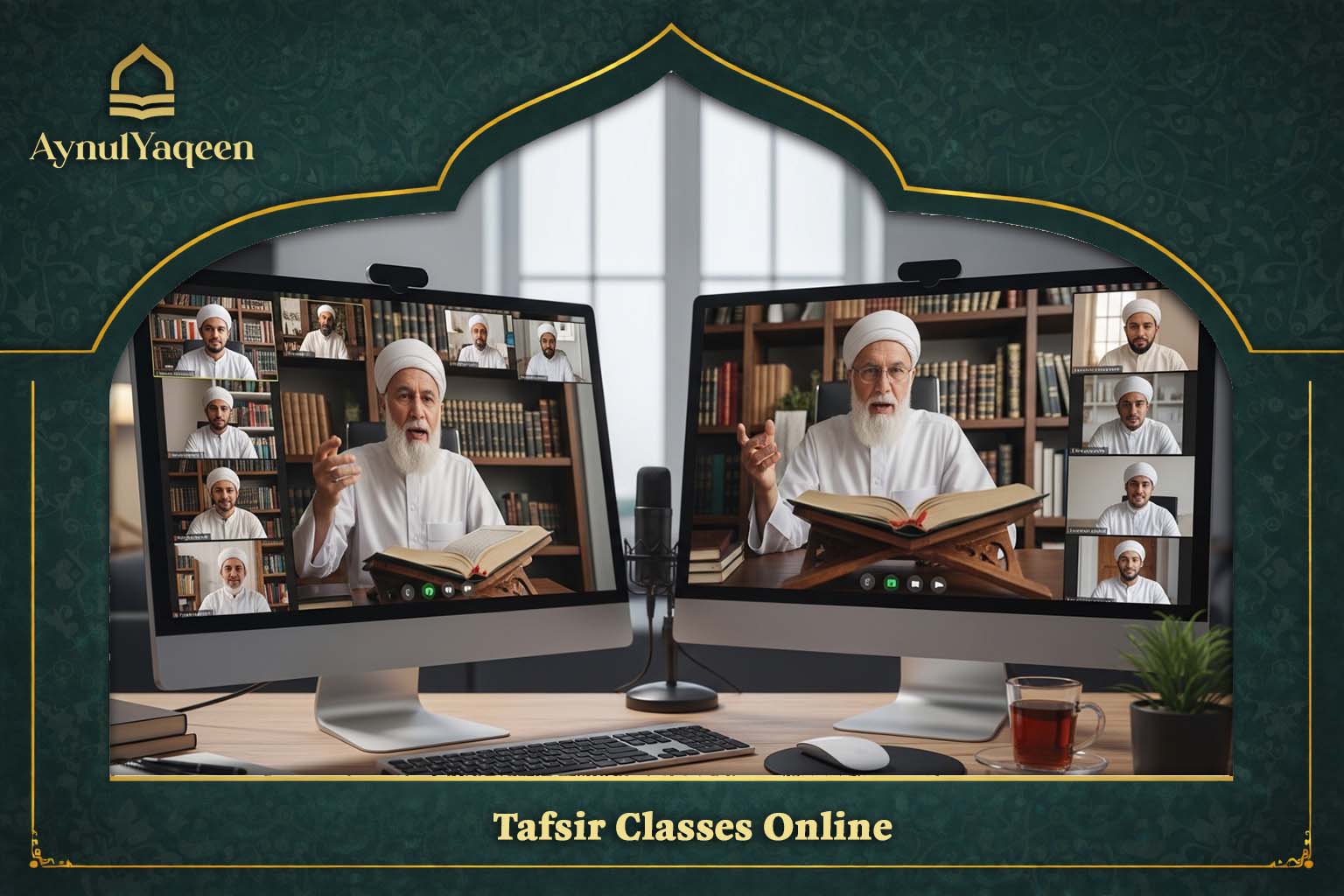
Tafsir classes online are becoming an essential choice for Muslims who seek a deeper and more meaningful understanding of the Qur’an beyond simple translation. In today’s fast-paced world, many learners look for flexible and reliable ways to study Islamic knowledge, and this is exactly what modern platforms provide. One of the most trusted names in this field is Aynulyaqeen Quran academy, which offers structured and well-guided learning programs designed to help students connect with the Qur’an through authentic tafsir studies. A Contemporary Approach to Quran Tafsir Tafsir Classes Online Assalamu alaikum wa rahmatullahi wa barakatuhu (peace, mercy, and blessings of Allah be upon you). In today’s fast-moving world, many Muslims feel a strong desire to reconnect with the Qur’an on a deeper intellectual and spiritual level, but time constraints, location barriers, and lack of access to qualified scholars often make this difficult. This is where structured online quran tafseer classes come in as a practical and meaningful solution. These modern learning platforms allow students from all backgrounds to study the Qur’an in a guided environment, where the meanings, context, and wisdom behind every verse are explained in detail through tafsir methodology. Instead of relying only on translation, learners are introduced to the richness of classical Islamic scholarship in a simplified and structured way. The journey of understanding the Qur’an is not just academic-it is deeply spiritual. It transforms how a person thinks, behaves, and connects with their Creator. Online Quran Academy An online Quran academy provides a modern and flexible way for Muslims to learn the Qur’an, its recitation, and its deeper meanings from anywhere in the world. Through structured programs and qualified teachers, students can study at their own pace while receiving proper guidance in Tajweed, memorization, and tafsir. One of the trusted platforms in this field is Aynulyaqeen Quran academy, which focuses on delivering high-quality Islamic education through interactive online classes. The academy aims to make Quran learning accessible for all ages by combining traditional knowledge with modern teaching methods, helping students build a strong and lasting connection with the Book of Allah. Tafsir Classes Online Why Studying Tafsir Is So Important The Qur’an is not a book meant only for recitation; it is a book of guidance, reflection, and action. However, without proper understanding, many of its deeper meanings remain hidden. This is why online tafseer classes have gained so much importance. They bridge the gap between reading the Qur’an and truly understanding its message through structured tafsir learning. Through proper study, students learn: The historical context behind revelation The linguistic depth of Qur’anic Arabic The connection between verses and real-life situations The wisdom behind Islamic rulings and guidance Understanding tafsir helps a believer move from reading words to experiencing divine guidance in daily life. Read also:quran tafsir course online The Rise of Online Learning in Islamic Education and Tafsir Over the past decade, digital education has completely changed how religious knowledge is shared. One of the most impactful developments is the availability of online tafseer classes in english, which allows non-Arabic speakers to access authentic Islamic knowledge without language barriers. These classes are designed to be flexible and accessible, allowing students to learn from anywhere in the world. Whether someone lives in Europe, Asia, Africa, or North America, they can now connect with qualified teachers in real time and study tafsir in a structured way. The structure of these programs usually includes: Live interactive lessons Recorded sessions for revision One-on-one or group discussions Guided explanation of Qur’anic chapters This flexibility makes it easier for working professionals, students, and parents to maintain consistency in their Islamic learning journey. Read also:female arabic tutor online Understanding the Structure of Tafsir Learning A well-designed quran tafseer classes online program follows a structured approach to ensure that students develop a strong foundation before moving into deeper interpretations of tafsir. Typically, the learning path includes: 1. Introduction to Qur’anic Sciences Students learn about the revelation process, compilation of the Qur’an, and basic principles of interpretation. 2. Word-by-Word Explanation Each verse is analyzed linguistically to understand its original Arabic meaning. 3. Contextual Understanding Teachers explain the circumstances of revelation (Asbab al-Nuzul), which helps clarify the meaning behind verses. 4. Thematic Interpretation Students learn how different verses connect to form broader themes in Islamic teachings. 5. Practical Application The final stage focuses on how Qur’anic teachings can be applied in modern life. This step-by-step approach ensures clarity and prevents misunderstanding of complex concepts in tafsir. Read also:kids islamic education Learning With the Right Guidance in Tafsir Studies A key factor in effective learning is the presence of qualified teachers. Many platforms, including Aynulyaqeen Quran academy, focus on providing experienced instructors who have studied Islamic sciences in depth. At Aynulyaqeen Quran academy, the emphasis is not only on delivering information but also on helping students build a strong spiritual connection with the Qur’an through tafsir learning. Teachers simplify complex interpretations and encourage reflection rather than memorization alone. This approach ensures that students do not just learn what the Qur’an says, but also understand why it says it. Read also:best online quran classes The Value of English-Based Tafsir Classes For many Muslims who are not fluent in Arabic, online tafseer classes in english serve as an essential bridge to understanding divine guidance. These classes help students: Grasp Qur’anic meanings clearly without language confusion Learn Islamic concepts in a familiar language Ask questions and receive detailed explanations Build confidence in understanding religious texts This accessibility makes Islamic education more inclusive and globally connected through tafsir study. Read also:ijazah quran online Flexibility and Comfort in Online Tafsir Learning One of the biggest advantages of modern Islamic education is flexibility. Unlike traditional classroom settings, tafseer classes online allow students to learn at their own pace and schedule. This flexibility is especially beneficial for: Working professionals with busy schedules Mothers managing households Students balancing academic studies Individuals living in remote areas Learning from home also creates a comfortable environment where students can focus better, reflect deeply on tafsir, and
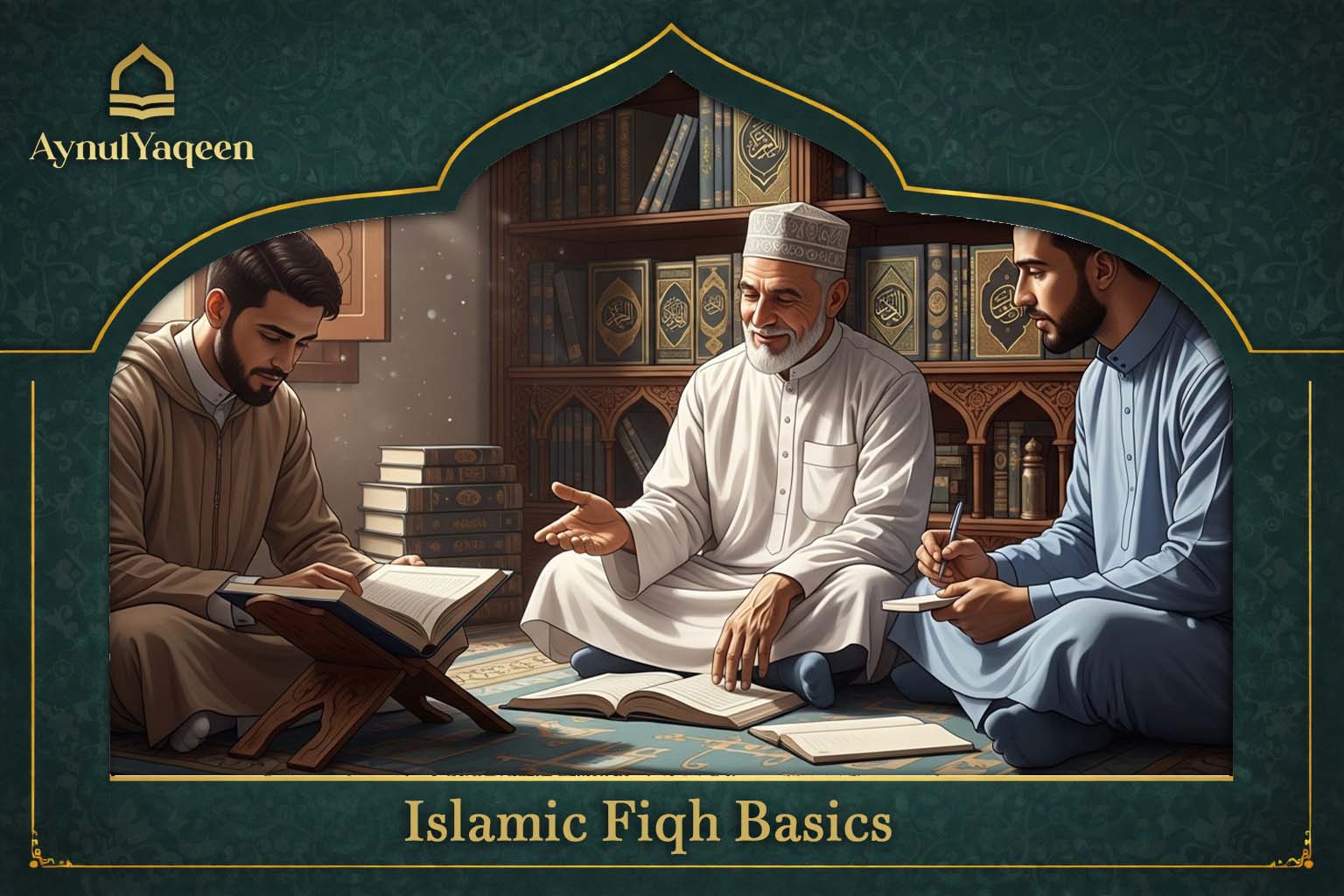
Islamic fiqh basics form the essential foundation for understanding how Islamic law guides every aspect of a Muslim’s life, including worship, personal behavior, family matters, and social interactions. These fundamentals help believers apply religious principles correctly and make informed ethical decisions. At Aynulyaqeen Academy, students explore Islamic fiqh in a structured and practical way, connecting classical rulings with modern challenges. The academy emphasizes clear explanations, real-life applications, and moral guidance, ensuring learners develop a deep understanding of Islamic fiqh basics that can be implemented in daily life while maintaining faith and ethical integrity. Understanding Islamic Fiqh Basics is a foundational guide that explains the principles and sources of Islamic jurisprudence, helping readers understand how rulings are derived from the Quran and Sunnah. It introduces key concepts such as consensus (ijma‘), analogy (qiyas), and the objectives of Shariah in a clear and accessible way for beginners. What is Islamic Fiqh? The word Fiqh comes from the Arabic root (faqaha), which means deep understanding or precise comprehension. It highlights the mental effort required to grasp detailed concepts and derive meaningful interpretations. In Islamic terms, fiqh refers to the science of understanding and applying Islamic laws, forming an essential part of Islamic fiqh basics. Key Sources of Fiqh Islamic laws are derived from several main sources: The Qur’an – The holy book provides the foundational guidance for life and behavior. The Sunnah – The sayings, actions, and approvals of Prophet Muhammad ﷺ demonstrate how Islamic principles are practiced. Ijma’ (Consensus) – The agreement of scholars helps resolve issues not directly addressed in primary texts. Qiyas (Analogy) – Reasoning by analogy ensures new situations can be addressed based on existing rulings. These sources together create a framework for Islamic fiqh basics, guiding Muslims in daily life, worship, and social conduct. Scope of Islamic Fiqh Fiqh covers all aspects of life, including: Worship (Ibadah) – Rituals like prayer, fasting, and pilgrimage. Social and financial dealings (Muamalat) – Transactions, contracts, and community interactions. Ethical guidance – Morality and behavior in personal and societal contexts. The Dynamic Nature of Fiqh Although the principles of fiqh are rooted in divine revelation, its application is flexible. Fiqh adapts to the needs and circumstances of different times and societies while preserving its core principles. This adaptability ensures Islamic fiqh basics remain relevant and practical for every generation. By understanding these fundamentals, students who learn Quran online can build a solid foundation in Islamic fiqh basics and apply its guidance in everyday life. Online Quran Academy Aynulyaqeen Academy offers a comprehensive platform for learning the Qur’an and Islamic fiqh in a modern and practical way. Through interactive lessons and structured curricula, students can study Islamic fiqh basics, understand worship, transactions, and daily ethics, with real-life applications suited to contemporary life. The academy provides flexible programs for all ages and levels, with expert instructors who simplify concepts and ensure thorough understanding. With Aynulyaqeen Academy, students can easily and effectively learn the Qur’an and Islamic fiqh online from anywhere, making knowledge accessible and practical for everyday life. Origins and Development of Islamic Fiqh The origins of Islamic law combine the Qur’an as the main source with general principles and the Sunnah as a practical guide. This combination creates a complete and dynamic legal and ethical system. Understanding these fundamentals provides a solid foundation in Islamic fiqh basics, enabling believers to correctly apply their religious duties and rights in daily life. The Quran: The Primary Source The Qur’an is the main and foundational source of Islamic law. It contains clear legal commands and general ethical principles covering all aspects of human life. These guidelines form the backbone of Islamic law while leaving room for human reasoning to address new challenges. The Qur’an provides the framework for worship, social conduct, and ethical behavior, laying the foundation for Islamic fiqh basics. The Sunnah: Practical Application In addition to the Qur’an, the Sunnah (the sayings, actions, and approvals of Prophet Muhammad ﷺ) complements the Qur’anic text in shaping Islamic law. The Sunnah offers practical examples for applying Qur’anic principles and clarifies details that are not explicitly mentioned in the Qur’an. For instance: While the Qur’an commands Muslims to pray, the Sunnah specifies how each prayer should be performed, including its conditions, timing, and rituals. The Sunnah clarifies what is prohibited, such as usury (riba) and unethical business practices, providing practical guidance for fair transactions. Together, these sources form a comprehensive framework for Islamic fiqh basics, helping believers understand both the rules and their practical implementation. Making Sharia Applicable The Sunnah ensures that Islamic law is easy to follow and relevant to everyday life. By providing detailed instructions, it allows Muslims to apply the Qur’anic principles practically while adapting to different circumstances. This flexibility is a key element of Islamic fiqh basics, ensuring the law remains effective across generations. Sources of Islamic Fiqh Islamic fiqh is currently based on four primary sources, collectively known as the foundations of Islamic law. Understanding these sources is essential to mastering Islamic fiqh basics, as they provide the structure through which rulings are derived and applied in daily life. Many students today study these principles through platforms such as Online Quran Academy Aynulyaqeen, where foundational concepts are explained clearly and practically. The Quran The Qur’an is the central religious text of Islam and contains 6,236 verses that include both legal rulings and moral guidance. Its teachings are divided into: Explicit rulings: Such as the obligation of prayer, the prohibition of alcohol, and inheritance laws. General principles: Such as justice, mercy, and accountability — for example, “Establish justice; indeed, Allah loves those who act justly” (Qur’an 49:9). These broad principles serve as the basis for many detailed rulings. The Qur’an forms the first pillar of Islamic fiqh basics, providing both specific commands and universal values. The Sunnah The Sunnah includes the sayings, actions, and approvals of Prophet Muhammad ﷺ. It explains and expands upon the Qur’anic teachings with practical applications and clarifications. For example, while the Qur’an commands prayer, the Sunnah specifies