January 25, 2026


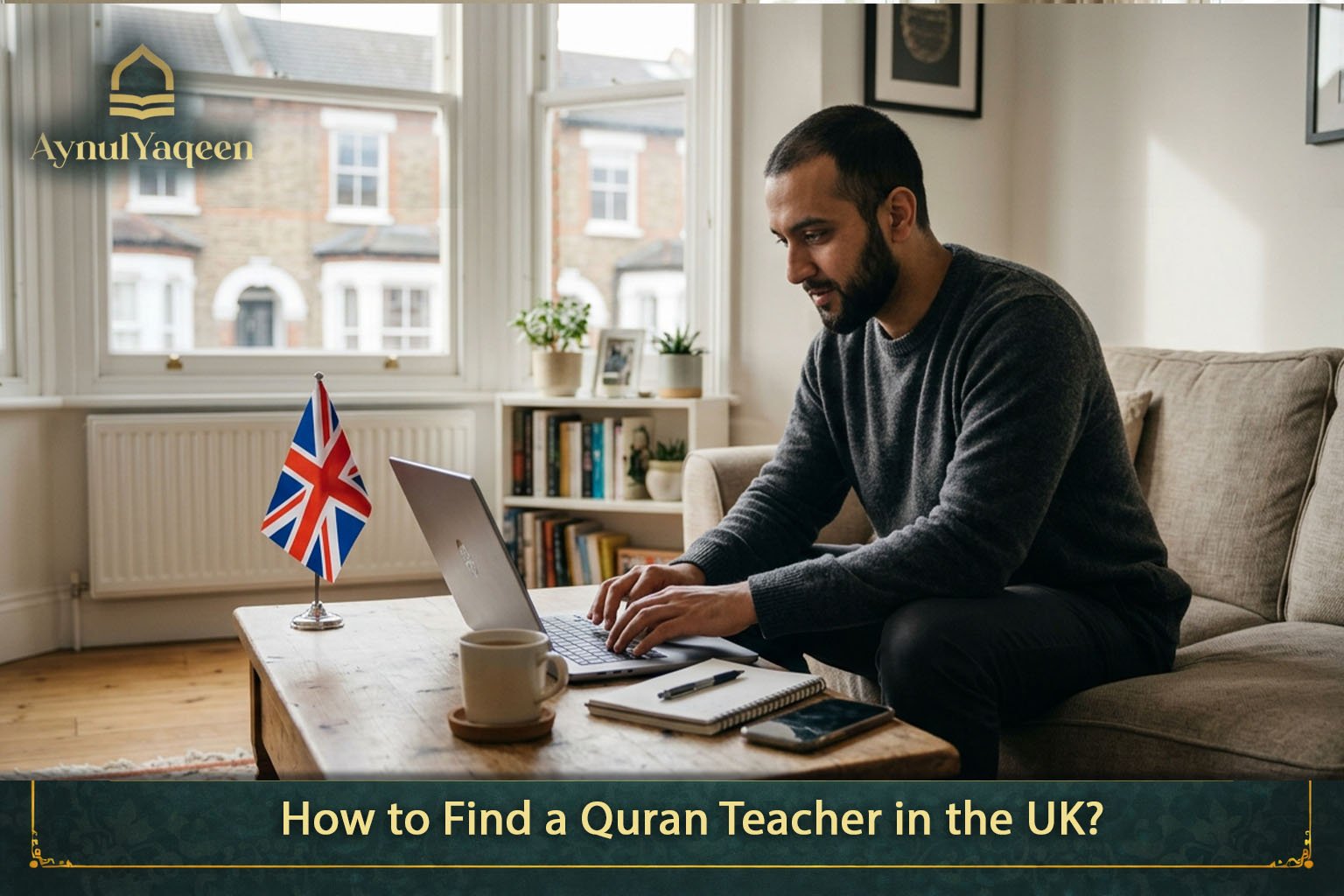
How to find a Quran teacher in the UK is an important question for parents, adult learners, beginners, and anyone seeking structured guidance in Quran reading and recitation. Choosing an instructor requires more than finding someone available to teach. You need to consider relevant qualifications, teaching experience, knowledge of Tajweed, communication skills, and the ability to support your learning objectives. The most suitable teacher depends on your current reading level and what you want to achieve. A beginner may need help recognising Arabic letters and vowel marks, whereas an experienced reader may require detailed pronunciation correction or guidance with advanced recitation rules. Understanding how to find a Quran teacher in the UK also means knowing what to check before enrolling. Lesson formats, scheduling arrangements, individual feedback, and safeguarding procedures can all influence whether a learning arrangement meets your needs. This guide explains how to assess potential instructors, compare online and in-person lessons, identify suitable teaching methods, and prepare questions before making a decision. It also explores Aynulyaqeen Quran Academy as one option to investigate during your search. Identify Your Quran Learning Goals Before contacting potential instructors, establish what you want to learn and assess your current ability. Clear objectives make it easier to identify teachers whose experience matches your needs. When considering how to find a Quran teacher in the UK, begin by identifying which of the following learning goals best describes your situation: Learning Quran from the beginning: Develop familiarity with Arabic letters, vowel marks, letter combinations, and basic reading. Improving Quran recitation: Work on pronunciation, fluency, and recurring reading mistakes through guided practice. Learning Tajweed: Understand the rules of Quranic recitation and practise applying them accurately. Memorising Quran: Establish a manageable routine for memorising new passages and reviewing previously learned material. Improving existing skills: Focus on specific weaknesses instead of repeating topics you already understand. Supporting a child: Find age-appropriate instruction that considers the child’s reading level, attention span, and learning needs. Your objectives should also determine how progress is assessed. For instance, a beginner might work towards reading unfamiliar words correctly, while an intermediate student may concentrate on articulation points or the application of particular Tajweed rules. Write down two or three priorities before arranging an assessment. Explain your previous learning experience and ask the instructor how the lessons would address those priorities. This preparation makes finding a Quran teacher in the UK a more focused process because you can compare instructors according to your actual learning requirements rather than general descriptions. Learn Online with Aynulyaqeen Quran Academy Choosing the right online Quran academy can make a significant difference in your learning journey. Aynulyaqeen Quran Academy provides structured Quran courses for beginners and advanced learners, focusing on accurate Quran reading, Tajweed, memorisation, and Islamic studies. With qualified teachers, flexible class schedules, and personalised one-on-one lessons, students of all ages can learn at their own pace while building confidence in reciting and understanding the Holy Quran from anywhere in the world. Where to Find Quran Teachers in the UK? Several places can provide starting points for your search. Local mosques, Islamic centres, independent tutors, online teaching services, and recommendations from trusted contacts may help you identify potential instructors. An effective approach to finding a Quran teacher in the UK involves comparing more than one instructor before making a commitment. Look beyond general descriptions and investigate teaching experience, lesson arrangements, assessment methods, and the type of feedback students receive. Explore Local Mosques and Islamic Centres Local mosques and Islamic centres may provide Quran classes for children, adults, beginners, and learners interested in improving their recitation. Available arrangements vary, so contact the organisation directly to establish which programmes are offered. Ask whether classes cover foundational reading, Tajweed, memorisation, or several areas of Quran study. You should also clarify the class size, timetable, registration requirements, and the instructor’s relevant experience. Group classes can provide a structured learning environment and opportunities to practise alongside other students. However, learners who need detailed correction may require additional individual attention. Before enrolling, find out how instructors identify individual mistakes and whether students receive feedback according to their reading ability. These questions are useful when deciding how to find a Quran teacher in the UK through a local organisation. Search for Online Quran Teachers Online lessons allow students to learn from home without travelling to a teaching venue. This option may be suitable for families with busy schedules, adults balancing work and study, or learners who cannot easily access appropriate local instruction. When exploring how to find a Quran teacher in the UK through online services, check whether the lessons involve live recitation and direct feedback. Watching recorded material or reading explanations can support learning, but these resources do not replace an instructor’s individual assessment when pronunciation correction is needed. Before choosing an online teacher, establish: Which Quran subjects and reading levels the instructor teaches. How the student’s ability is assessed before regular lessons begin. Whether lessons are individual or group-based. How pronunciation mistakes are identified and corrected. Which devices and communication platforms are required. What arrangements apply to missed lessons and technical interruptions. How learning targets and progress are reviewed. If an introductory assessment is available, use it to observe how the teacher explains instructions, listens to recitation, and responds to mistakes. Consider Independent Tutors and Recommendations Independent tutors may offer lessons tailored to a student’s reading level and objectives. This can be useful when you need focused guidance on pronunciation, fluency, or particular Tajweed rules. Ask prospective tutors about their experience with learners of a similar age and ability. Find out how they structure lessons, explain corrections, and decide when a student is ready to progress. Recommendations from friends, relatives, or community members may help you identify potential instructors. However, a positive recommendation does not establish that a particular teaching approach will suit every learner. Treat recommendations as a starting point, then assess the instructor’s qualifications, communication style, and ability to address your specific goals. This approach makes how to find a Quran
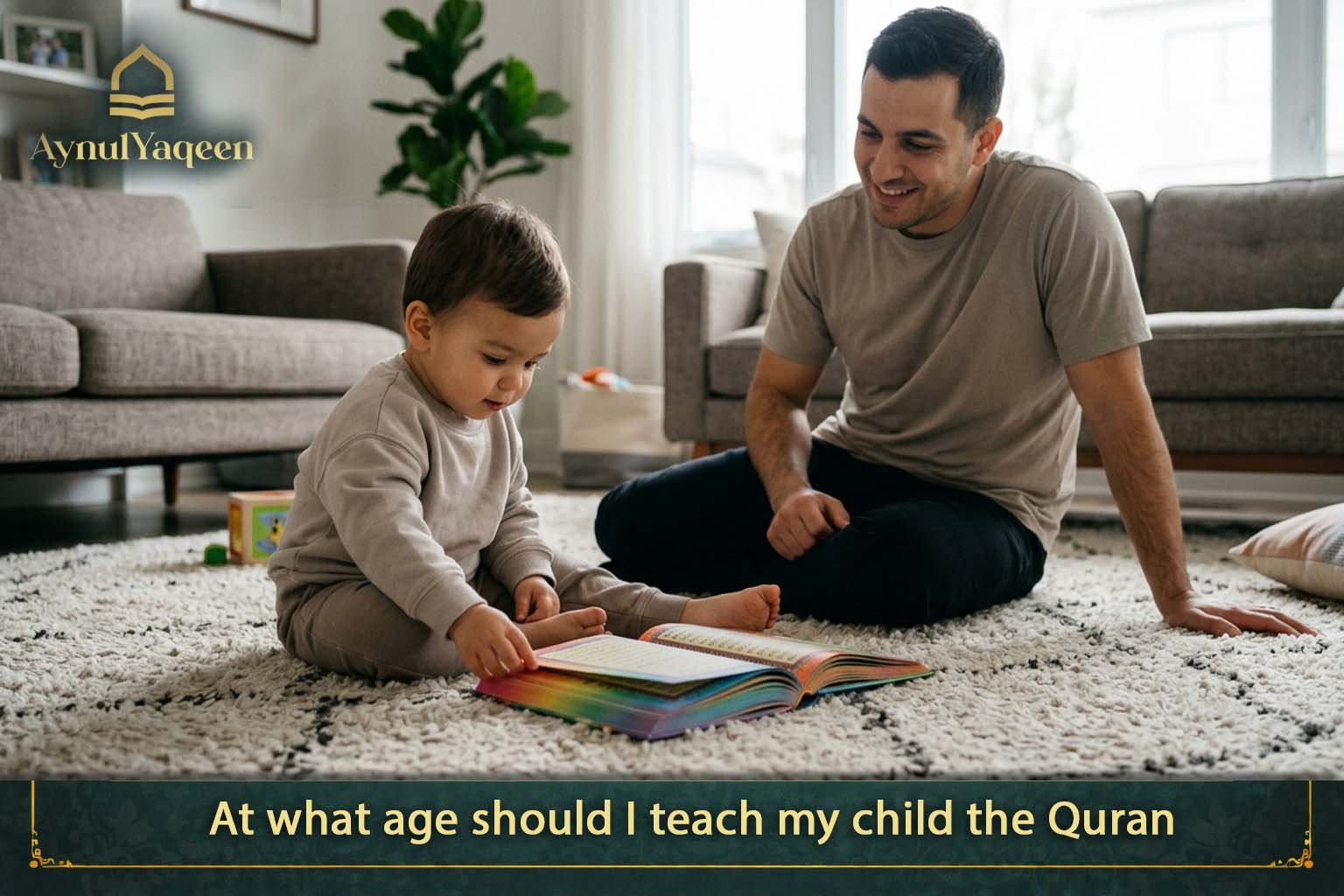
At what age should I teach my child the Quran is a question many Muslim parents ask when they want to build a strong Quranic foundation at home. Parents may wonder whether they should begin during the toddler years, wait until the child enters school, or start when the child can read independently. In reality, Quran learning does not follow one fixed timetable for every child. At what age should I teach my child the Quran depends on several factors, including the child’s communication skills, attention span, emotional readiness, family routine, and previous exposure to the Quran. Some children enjoy listening from an early age, while others become more interested when they begin recognizing letters and words. The goal is not simply to start as early as possible. Instead, parents should create a positive relationship with the Quran that can develop gradually. A child who associates Quran learning with encouragement, warmth, and meaningful interaction is more likely to continue learning with confidence. Why Is There No Perfect Age for Quran Learning? At what age should I teach my child the Quran cannot be answered with one number because children develop differently. One child may be ready to recognize Arabic letters at an early age, while another may need more time before formal lessons become productive. Readiness is often more useful than age alone. Parents can observe whether their child can sit for a short activity, listen to repeated sounds, follow simple instructions, and show curiosity about Quran recitation. A child does not need to master Arabic before beginning Quran education. Early exposure can involve listening, repeating short verses, recognizing familiar sounds, and becoming comfortable with the Quran. Learn Online with Aynulyaqeen Quran Academy Choosing the right online Quran academy can make a significant difference in your learning journey. Aynulyaqeen Quran Academy provides structured Quran courses for beginners and advanced learners, focusing on accurate Quran reading, Tajweed, memorisation, and Islamic studies. With qualified teachers, flexible class schedules, and personalised one-on-one lessons, students of all ages can learn at their own pace while building confidence in reciting and understanding the Holy Quran from anywhere in the world. At What Age Should I Teach My Child the Quran Through Listening? At what age should I teach my child the Quran becomes easier to understand when parents distinguish between listening and formal study. Listening can begin naturally during early childhood because it does not require the same concentration as reading or memorization. Parents can play gentle Quran recitation during appropriate moments at home. They can also recite themselves while the child is nearby. This type of exposure helps make Quran recitation a familiar part of everyday life. At what age should I teach my child the Quran through listening does not mean that the child must sit through a long session. A few minutes of calm listening can be enough, especially for a very young child. At this stage, the purpose is familiarity rather than achievement. Parents should avoid turning every listening experience into a test. Signs Your Child May Be Ready to Start When to start teaching the Quran should also be considered alongside practical signs of readiness. A child may be ready for more structured learning when they can: Follow simple directions. Repeat short sounds or words. Recognize some letters or symbols. Stay focused on a short activity. Ask questions about Quran recitation. Enjoy listening to parents read. Participate without becoming consistently distressed. At what age should I teach my child the Quran may therefore be different for two children of the same age. Parents should focus on development instead of comparing siblings, classmates, or children seen online. Readiness can also change over time. A child who struggles with formal lessons today may respond much better after several months of natural exposure and encouragement. At What Age Should I Teach My Child the Quran Without Pressure? At what age should I teach my child the Quran should never become a reason to pressure a child into long lessons before they are ready. Excessive pressure can make Quran learning feel like punishment rather than an important part of Muslim life. Short sessions are often more practical than demanding a young child remain seated for a long period. The lesson can begin with listening, move to repetition, and gradually include reading or memorization. At what age should I teach my child the Quran is less important than how the learning experience feels to the child. A calm five-minute activity can sometimes be more beneficial than a stressful thirty-minute session. Parents can also give children small choices, such as deciding whether to begin with reading, repetition, or listening. Limited choices can help children feel involved without removing the structure of the lesson. Start With Short and Manageable Lessons At what age should I teach my child the Quran becomes more practical when the family creates realistic expectations. Young children usually benefit from lessons that match their attention span rather than an adult-style study schedule. A simple routine might include a short review, a new portion, pronunciation practice, and a positive ending. The exact structure can change according to the child’s level. At what age should I teach my child the Quran should not be connected to a fixed number of minutes for every child. Some learners may manage ten minutes comfortably, while others may need shorter sessions with breaks. Consistency matters more than making every lesson long. Regular contact with the Quran allows skills to develop gradually without making learning feel overwhelming. At What Age Should I Teach My Child the Quran and Arabic Letters? At what age should I teach my child the Quran often becomes a question about when formal reading should begin. Learning Arabic letters can be introduced once the child shows enough interest and attention to benefit from structured practice. Children can learn through visual recognition, sound repetition, tracing, matching activities, and simple reading exercises. The method should be adapted to their developmental stage. At what age should I
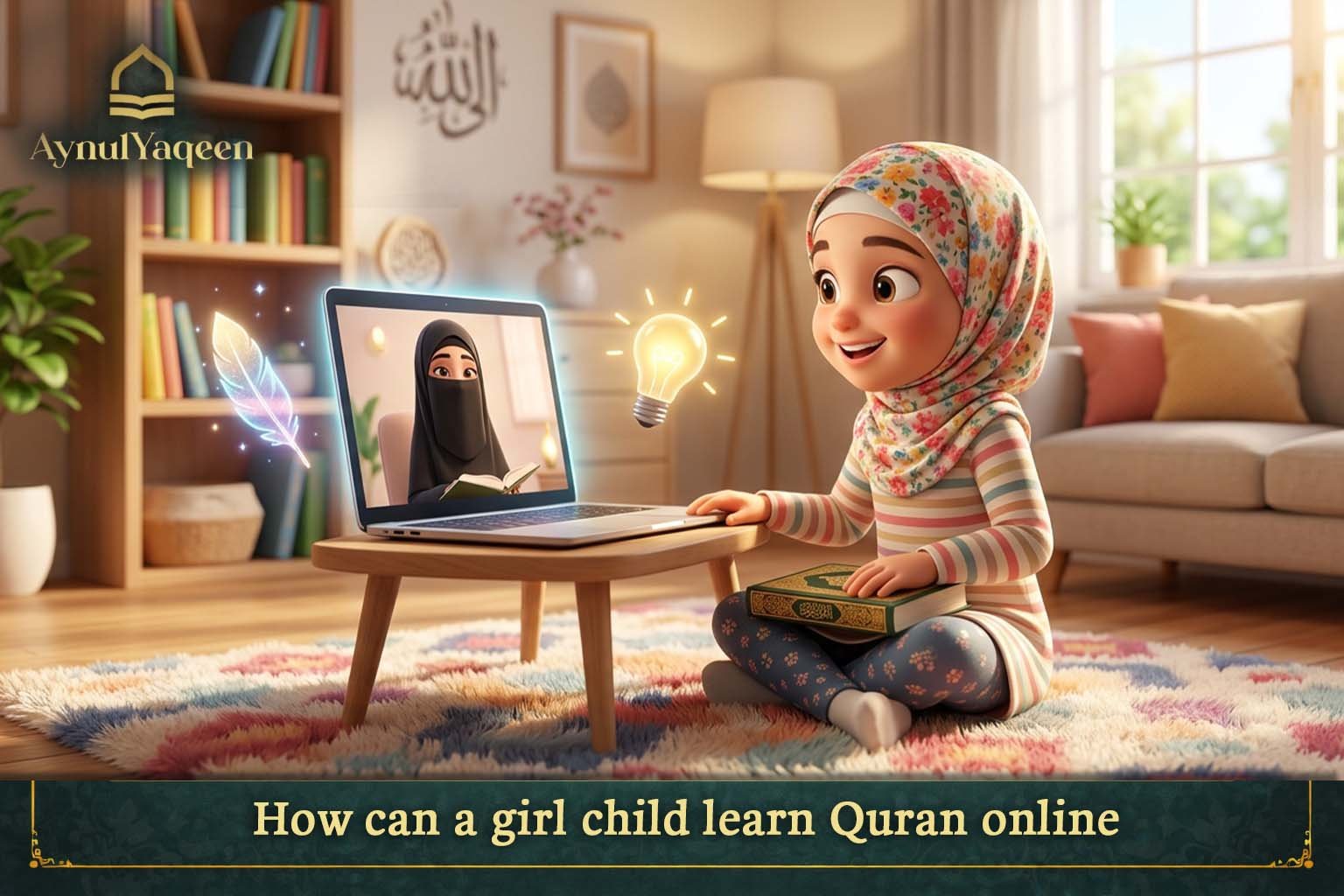
How can a girl child learn Quran online? Learning the Quran through online lessons can give a young girl a structured way to build her skills from home. Instead of traveling to a learning center, she can attend lessons through a computer, tablet, or another suitable device while a parent remains involved in the learning process. For many families, online Quran education offers practical flexibility. A child can learn at a suitable time, follow lessons according to her current level, and gradually develop her Quran reading skills. More importantly, a well-organized program can make learning easier to understand by dividing the process into manageable stages. At Aynulyaqeen Quran Academy, families looking for online Quran education for girls can focus on creating a consistent learning routine that matches the child’s age, ability, and learning needs. The goal should not simply be to complete lessons quickly. Instead, the child should develop accurate reading habits, understand basic pronunciation rules, and become comfortable with regular Quran study. How Can a Girl Child Learn Quran Online Safely? Safety is one of the first concerns parents may consider when deciding how a girl child can learn Quran online. Since the lessons take place remotely, parents should pay attention to the learning environment, communication methods, lesson schedule, and level of parental supervision. A suitable online learning arrangement should give the child a comfortable space where she can concentrate without unnecessary distractions. Parents can also establish clear rules about when the lesson takes place and how the child communicates with her teacher. Furthermore, parents can remain nearby during younger children’s lessons or check in regularly with older children. This does not mean interrupting every lesson. Rather, it creates a balanced approach in which the child receives independence while the family remains aware of her educational progress. When considering how a girl child can learn Quran online, families should also review the platform’s approach to privacy and communication. A clear learning process can make online Quran education more comfortable for both the child and her parents. Learn Online with Aynulyaqeen Quran Academy Choosing the right online Quran academy can make a significant difference in your learning journey. Aynulyaqeen Quran Academy provides structured Quran courses for beginners and advanced learners, focusing on accurate Quran reading, Tajweed, memorisation, and Islamic studies. With qualified teachers, flexible class schedules, and personalised one-on-one lessons, students of all ages can learn at their own pace while building confidence in reciting and understanding the Holy Quran from anywhere in the world. How Can a Girl Child Learn Quran Online With the Right Teacher? The teacher plays an important role in determining how effectively a child learns the Quran online. Young learners often need more than someone who can recite correctly. They also need explanations that match their age and encouragement that keeps lessons positive. A good teacher should be able to identify the child’s current level before introducing more difficult material. For example, a beginner may need to start with Arabic letters, letter sounds, and basic reading patterns. Another child may already read Arabic and require greater attention to Tajweed or memorization. Therefore, parents should consider several factors when choosing an online Quran teacher: Experience teaching children at the same age level. Clear and understandable pronunciation. Patience when correcting mistakes. Ability to explain concepts in an age-appropriate way. A structured approach to lessons. Regular communication about the child’s progress. A learning style that keeps the child engaged. At Aynulyaqeen Quran Academy, the learning process can be approached according to the child’s starting level rather than assuming that every student needs the same lesson plan. This is particularly useful when families are asking how a girl child can learn Quran online without making the experience overwhelming. How Can a Girl Child Learn Quran Online From Home? Learning from home can make Quran study easier to fit into a child’s daily routine. However, simply connecting to an online lesson is not enough. The child also needs an environment that supports concentration. Parents can prepare a quiet learning area with a reliable internet connection and the device used for the lesson. Keeping the Quran, notebook, and other learning materials nearby can also reduce interruptions. A consistent schedule is equally important. For instance, a family may choose specific days and times for Quran lessons and protect that period from competing activities. As a result, the child gradually begins to recognize Quran study as a regular part of her routine. The answer to how a girl child can learn Quran online also depends on maintaining realistic expectations. A young learner may not be able to concentrate for long periods, particularly at the beginning. Short, focused lessons followed by simple practice can sometimes be easier for a child to manage than lengthy sessions. Parents can support this routine without turning every lesson into a test. Encouragement, patience, and regular practice can help the child associate Quran learning with steady progress. How Can a Girl Child Learn Quran Online From Her Current Level? Every child begins with a different level of Quran knowledge. Some girls may recognize Arabic letters but struggle to combine them. Others may already read simple words but need help with pronunciation. Some may have memorized portions of the Quran and want to improve their recitation. For that reason, the learning process should begin with an assessment of the child’s current abilities. A beginner may work through: Arabic letters and their sounds. Connecting letters within words. Short vowels and basic reading signs. Simple Quranic words. Correct pronunciation. Gradual introduction to Tajweed. Meanwhile, a more advanced student may spend more time refining pronunciation, improving fluency, reviewing memorized passages, or studying additional Tajweed rules. This level-based approach answers an important part of how a girl child can learn Quran online: she should not be expected to follow the exact same path as another student. Her lessons should reflect what she already knows and what she needs to learn next. How Can a Girl Child Learn Quran Online Through Step-by-Step Lessons? A
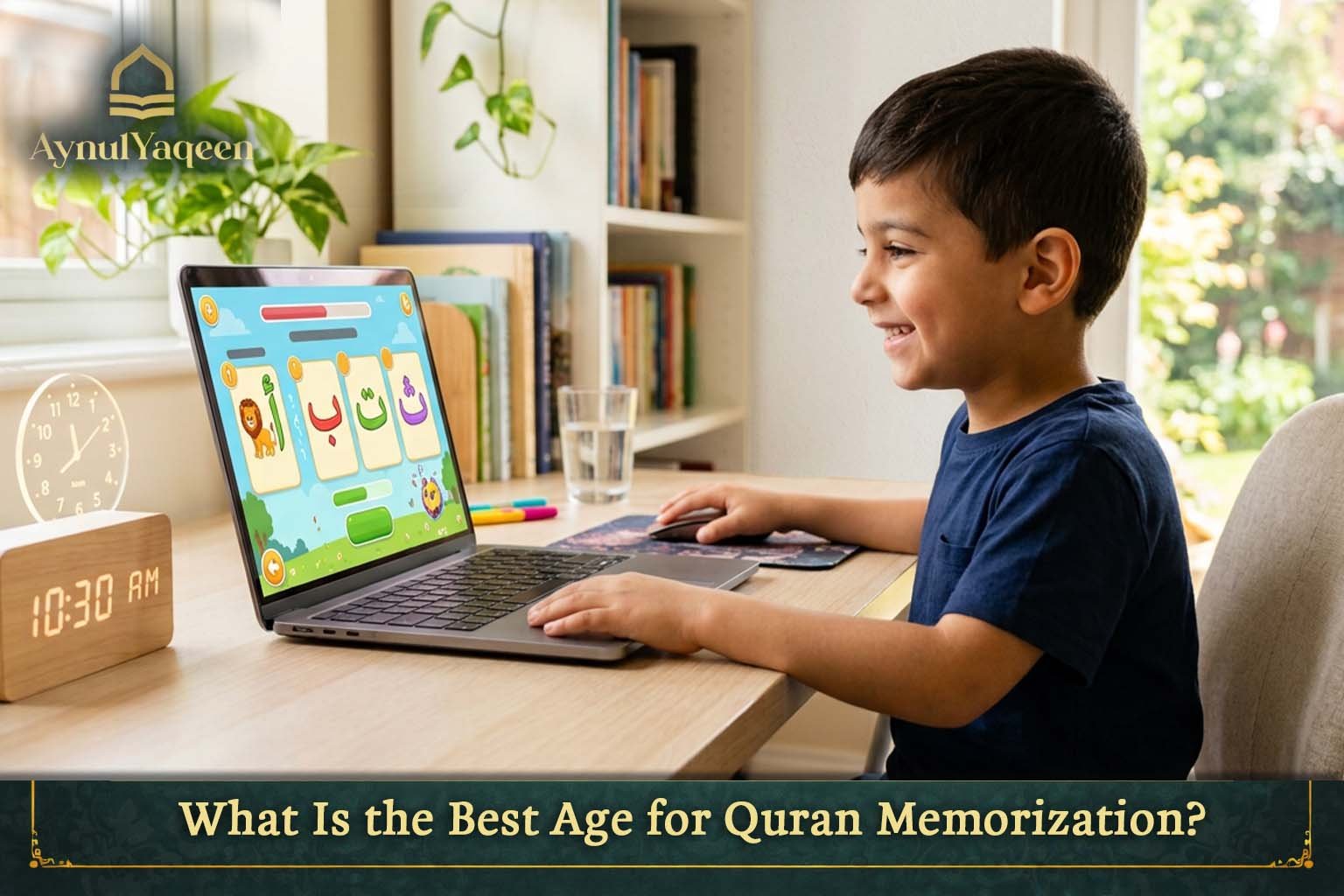
What is the best age for Quran memorization is a question many parents and adult learners ask when they want to begin Hifz but are unsure whether they are starting too early or too late. In reality, there is no single age that guarantees success for every learner. A child, teenager, and adult may all memorize the Quran successfully, but each stage requires a different pace, learning method, and revision plan. For many families, childhood can provide a helpful environment for Quran memorization because children often have fewer responsibilities and can become familiar with Arabic sounds through repeated listening. However, starting later does not mean that the opportunity has passed. Adults can also develop strong memorization habits when they follow a realistic schedule and receive consistent guidance. Therefore, understanding what the best age for Quran memorization is requires looking beyond a specific number. Attention span, Arabic reading ability, motivation, family support, revision habits, and the quality of teaching can all influence the learning experience. For families working with Aynulyaqeen Quran Academy, the goal should not simply be to start Hifz as early as possible. Instead, learners can follow an age-appropriate plan that considers their current ability and gradually builds accurate recitation, memorization, and revision habits. What Is the Best Age to Start Memorizing the Quran? For many children, the period between approximately five and ten years old can be a practical stage for beginning structured Quran memorization. At this age, many children can follow instructions, repeat passages consistently, and develop regular study routines. However, this does not mean that every five-year-old should immediately begin an intensive Hifz program. Some children may benefit from listening and short-surah practice first, while others may already have enough reading ability and concentration to begin more structured lessons. Consequently, what is the best age for Quran memorization depends partly on readiness rather than age alone. Before starting a formal program, parents can consider whether the child can: Recognize and read Arabic letters and Quranic words. Sit and concentrate for a short lesson. Repeat an ayah several times without becoming overwhelmed. Follow simple instructions from a teacher. Review previously memorized passages regularly. Show at least some interest in Quran learning. A child who meets these basic conditions may be ready to begin gradually. On the other hand, if a child struggles with attention or becomes highly frustrated during lessons, preparation may be more beneficial than increasing the memorization workload. Learn Online with Aynulyaqeen Quran Academy Choosing the right online Quran academy can make a significant difference in your learning journey. Aynulyaqeen Quran Academy provides structured Quran courses for beginners and advanced learners, focusing on accurate Quran reading, Tajweed, memorisation, and Islamic studies. With qualified teachers, flexible class schedules, and personalised one-on-one lessons, students of all ages can learn at their own pace while building confidence in reciting and understanding the Holy Quran from anywhere in the world. Why Is This Age Often Considered Suitable for Quran Memorization? Young children can become comfortable with repeated sounds and phrases through regular exposure. Moreover, they often learn through repetition without viewing it as an unusual part of the learning process. That can make short, consistent Hifz sessions easier to introduce into their daily routine. Nevertheless, parents should avoid turning memorization into a source of pressure. The answer to what is the best age for Quran memorization should therefore include the emotional side of learning. A child who associates the Quran with encouragement and meaningful family routines may develop a more positive relationship with memorization than a child who experiences constant pressure to achieve a specific daily target. What Is the Best Age for Quran Memorization for Young Children? When parents ask what the best age for Quran memorization for a young child, it is useful to separate early exposure from formal memorization. Children can hear Quran recitation from a very young age. Listening to short surahs during calm daily routines can help them become familiar with pronunciation and rhythm. However, listening should not automatically be treated as formal Hifz. Around four or five, some children may begin remembering short passages naturally. By five or six, others may be ready for short structured sessions. Still, there is considerable variation between children. For example, one child may comfortably memorize several short ayahs, while another may need several days to become confident with the same amount. Neither situation necessarily indicates a problem. At Aynulyaqeen Quran Academy, an age-sensitive approach can help learners progress without forcing every child into the same timetable. The focus should remain on accurate recitation, gradual memorization, and regular revision. How Can Parents Prepare Children Before Formal Hifz? Before asking what is the best age for Quran memorization, parents can ask a more practical question: how can the child become ready? Several simple habits can help: Play clear Quran recitation at suitable times. Encourage the child to repeat short surahs. Read Quran together as a family. Use Salah as an opportunity to reinforce familiar surahs. Praise effort rather than comparing the child with other students. Keep early practice short and consistent. Correct mistakes gently rather than interrupting every few seconds. This preparation can make the transition into structured Hifz smoother. Furthermore, it allows parents to observe whether the child enjoys repetition and can maintain attention during Quran activities. What Is the Best Age for Quran Memorization Based on Learning Readiness? Age is only one part of the equation. In practice, learning readiness can be more useful when deciding whether a child should start formal Hifz. A child who is seven but cannot yet read Quranic text independently may need foundational Quran reading lessons first. Meanwhile, another child who is five and already reads confidently may be ready for carefully selected short surahs. This is why the best age for Quran memorization cannot be answered responsibly with a single number for every family. Parents should consider several readiness indicators: Reading ability: The learner should gradually become comfortable recognizing Quranic words. Pronunciation: Basic pronunciation should be developed before memorization becomes intensive. Attention:
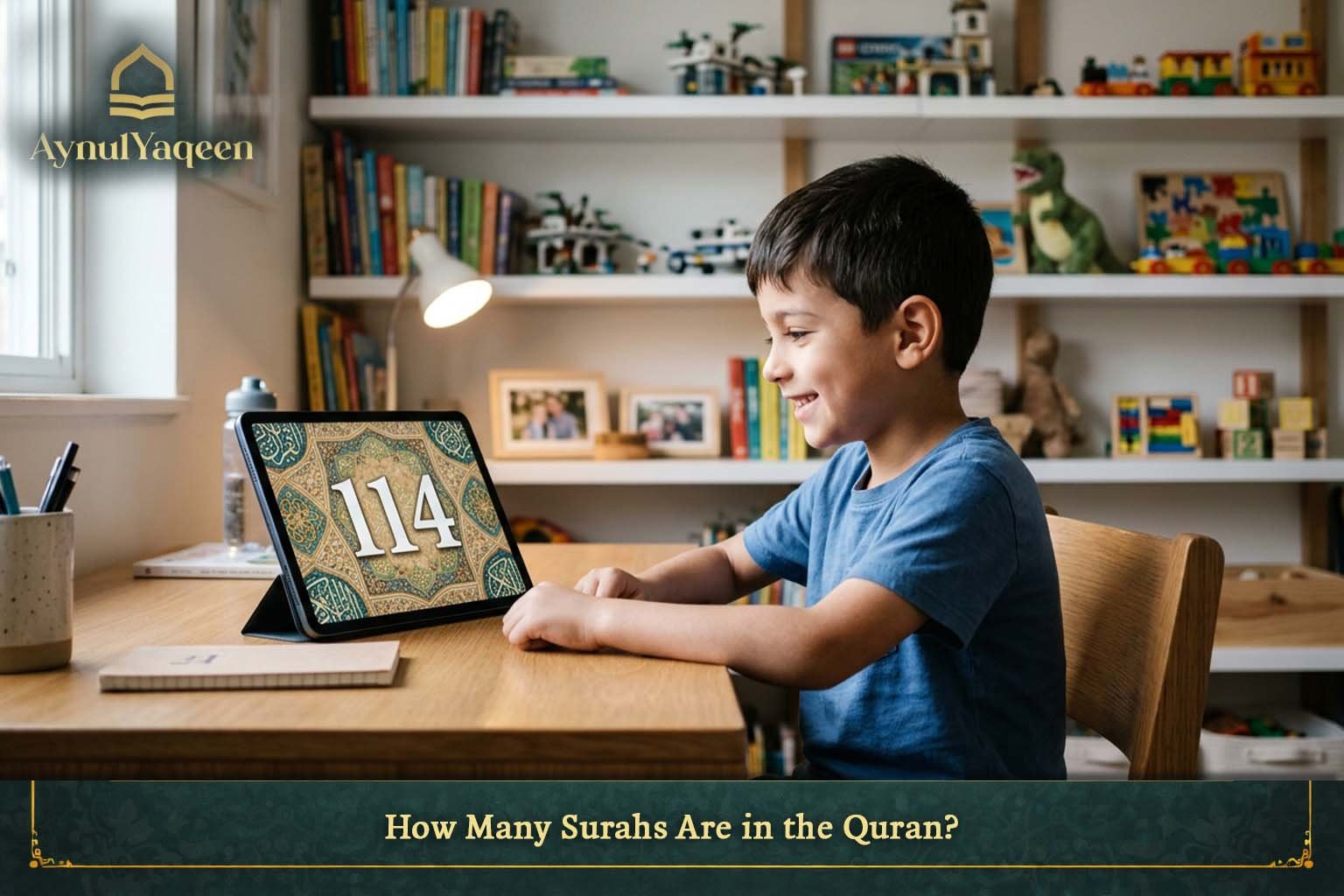
How many surahs are in the Quran is a common question for Muslims, new learners, parents, and anyone beginning to study the Holy Quran. The Quran contains 114 Surahs, and each chapter has its own name, number of Ayahs, themes, and lessons. However, knowing the number of chapters is only the beginning of understanding how the Quran is organized. When learners ask how many surahs are in the Quran, they may also want to know how the chapters are arranged, which Surah comes first, which one is the longest, and how the shorter chapters can be approached during memorization. Therefore, understanding the structure of the Quran can make reading, recitation, memorization, and study easier. The 114 Surahs differ significantly in length and subject matter. Some chapters contain only a few verses, while others extend across many pages. Likewise, some focus heavily on faith and the Hereafter, while others discuss worship, morality, family life, social responsibilities, and stories of earlier peoples. For learners who want structured Quran education, Aynulyaqeen Quran Academy can provide an organized learning environment where students can work on Quran reading, Tajweed, memorization, and revision according to their individual levels and goals. How Many Surahs Are in the Quran? The answer to how many surahs are in the Quran is 114 Surahs. This is the standard number of chapters in the Quranic text used by Muslims around the world. Each of these 114 chapters has a particular name and contains a specific number of Ayahs. The chapters are not equal in length. For example, Surah Al-Baqarah contains 286 Ayahs, while Surah Al-Kawthar contains only three. Therefore, when someone searches for how many surahs are in the Quran, the direct answer is 114. Yet, a complete understanding requires looking at how these chapters differ and how they fit together within the Quran. The Surahs are arranged in a recognized order in the Mushaf. This arrangement begins with Surah Al-Fatiha and ends with Surah An-Nas. It is important to distinguish this arrangement from the chronological order of revelation because the two sequences are not the same. Learn Online with Aynulyaqeen Quran Academy Choosing the right online Quran academy can make a significant difference in your learning journey. Aynulyaqeen Quran Academy provides structured Quran courses for beginners and advanced learners, focusing on accurate Quran reading, Tajweed, memorisation, and Islamic studies. With qualified teachers, flexible class schedules, and personalised one-on-one lessons, students of all ages can learn at their own pace while building confidence in reciting and understanding the Holy Quran from anywhere in the world. Why Is Knowing How Many Surahs Are in the Quran Important? Knowing how many surahs are in the Quran gives learners a basic understanding of its structure. Instead of viewing the Quran as one continuous text, students can understand it as a collection of 114 connected chapters. This knowledge can be particularly useful for students who are memorizing the Quran. A learner can divide the long-term goal into smaller stages by studying individual Surahs, groups of Surahs, or sections of the Quran. Furthermore, understanding the number of chapters helps students follow Quran lessons more easily. A teacher can refer to a specific Surah and Ayah, and the learner can locate the passage without confusion. For parents, this information can also make it easier to understand a child’s learning progress. Rather than focusing only on the amount of text memorized, parents can recognize the different stages involved in reading, recitation, memorization, revision, and understanding. How Many Surahs Are in the Quran and What Is a Surah? To understand how many surahs are in the Quran, it is useful to first understand what the word “Surah” means in Quranic studies. A Surah is a chapter of the Quran. The plural is commonly written as Surahs. Each Surah consists of a particular number of Ayahs, or verses, and has its own name. The chapters cover many aspects of Islamic guidance. Depending on the Surah, the content may discuss belief in Allah, worship, accountability, morality, family relationships, social responsibilities, stories of prophets, or events involving earlier communities. As a result, the 114 chapters should not be viewed as identical units. Each one contributes to the broader message of the Quran while presenting particular themes and lessons. What Is the Difference Between a Surah and an Ayah? A Surah is a chapter, while an Ayah is a verse within that chapter. For example, Surah Al-Fatiha is one Surah and contains seven Ayahs. Surah Al-Baqarah is another Surah and contains 286 Ayahs. This distinction is especially important when studying how many surahs are in the Quran because people sometimes confuse the number of chapters with the number of verses. A Quranic reference such as 2:255 means Surah Al-Baqarah, chapter 2, Ayah 255. Once learners understand this system, finding particular passages becomes much easier. How Many Surahs Are in the Quran From Al-Fatiha to An-Nas? When discussing how many surahs are in the Quran, it is helpful to remember the beginning and end of the standard arrangement. The Quran starts with Surah Al-Fatiha, number 1, and finishes with Surah An-Nas, number 114. Between these two chapters are 112 other Surahs of different lengths and subjects. This arrangement is familiar to Quran readers worldwide and is used when referring to Surah numbers during lessons, recitation, memorization, and research. What Is the First Surah in the Quran? Surah Al-Fatiha is the first Surah in the standard arrangement of the Quran. It consists of seven Ayahs and is one of the most frequently recited portions of the Quran because of its role in Salah. The Surah teaches believers to praise Allah, recognize His mercy, worship Him, and ask Him for guidance. For beginners, learning Al-Fatiha correctly can be especially important because it combines Quranic reading practice with an essential part of daily worship. What Is the Last Surah in the Quran? Surah An-Nas is the 114th and final Surah in the standard arrangement. It is a short chapter that seeks refuge in Allah from
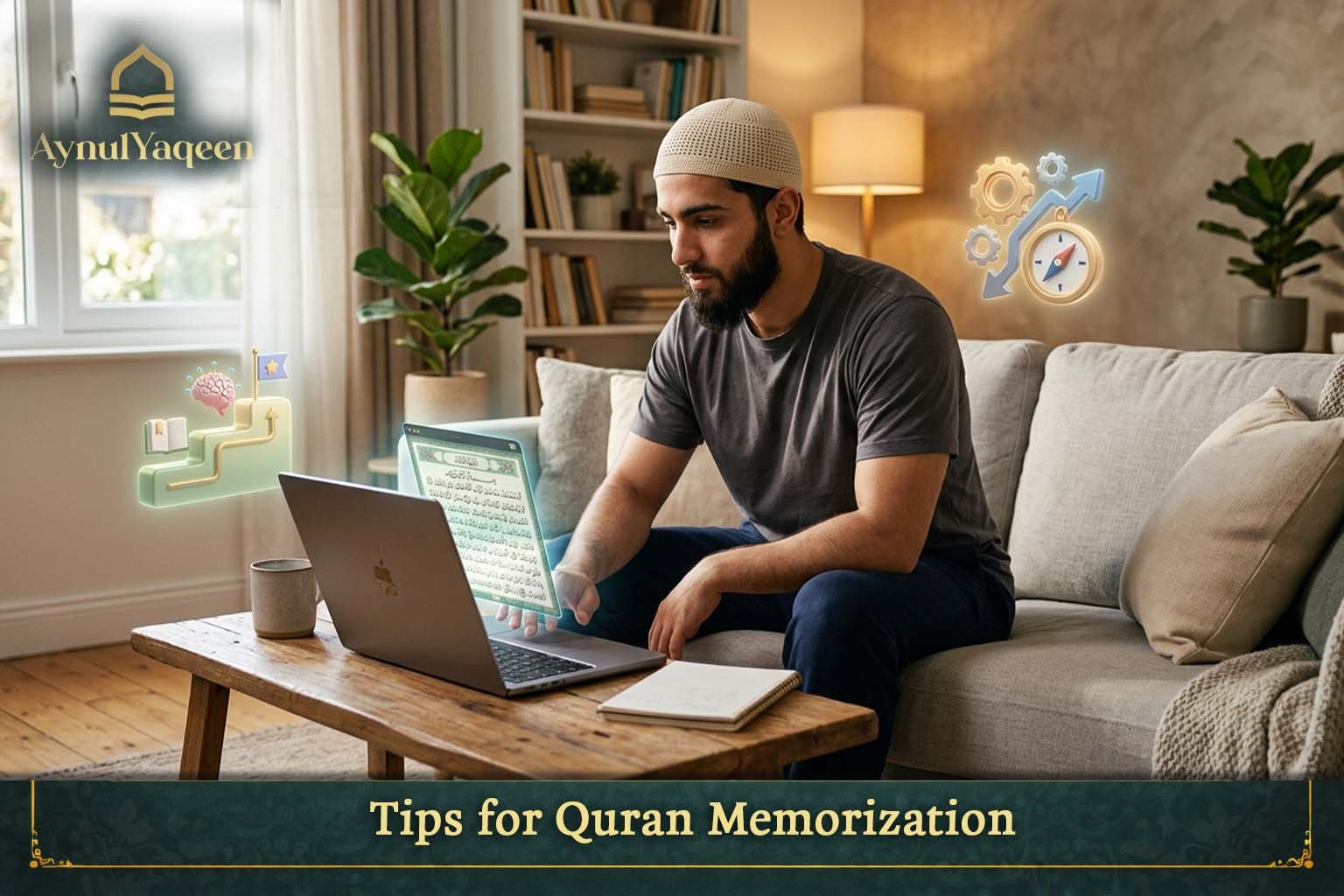
Tips for quran memorization can make the journey of learning the Quran more organized, consistent, and rewarding. Memorizing the Quran is a meaningful goal, but many learners struggle because they begin without a clear routine, realistic target, or reliable revision system. The good news is that effective memorization does not depend only on having an exceptional memory. Instead, the right method, regular practice, understanding, accurate recitation, and patience can make a significant difference. For many Muslims, memorizing the Quran is both an educational and spiritual journey. Each person has a different schedule, learning speed, and level of Arabic. Therefore, the best approach is not necessarily to memorize the largest amount in the shortest time. A sustainable plan allows you to learn new verses while protecting what you have already memorized. This guide brings together practical tips for Quran memorization that you can adapt to your age, experience, and daily responsibilities. Whether you are a beginner, a parent helping a child, or someone who wants to strengthen an existing Hifz routine, these strategies can help you build better habits. Why Do tips for Quran memorization Matter? A common mistake is to think that Quran memorization simply means reading a verse repeatedly until it becomes familiar. Repetition is important, but memorization involves several connected skills. You need to recognize the words, pronounce them correctly, understand the sequence, recall the verse without looking, and connect it accurately to what comes before and after it. That is why having a structured approach can prevent wasted effort. Instead of spending a long time on a passage and forgetting it a few days later, you can divide your effort between new memorization and revision. The most useful tips for Quran memorization focus on consistency rather than speed. A learner who memorizes a small amount every day and reviews it properly can often build stronger long-term retention than someone who memorizes large portions irregularly. Learn Online with Aynulyaqeen Quran Academy Choosing the right online Quran academy can make a significant difference in your learning journey. Aynulyaqeen Quran Academy provides structured Quran courses for beginners and advanced learners, focusing on accurate Quran reading, Tajweed, memorisation, and Islamic studies. With qualified teachers, flexible class schedules, and personalised one-on-one lessons, students of all ages can learn at their own pace while building confidence in reciting and understanding the Holy Quran from anywhere in the world. How to Prepare Before Using tips for Quran memorization? Preparation can make the actual memorization session much easier. Before opening the Quran, decide exactly what you want to accomplish. Avoid starting a session with a vague goal such as “I will memorize as much as possible today.” Instead, establish a specific target. For example, you might decide to master three verses, one short passage, or a particular section that matches your current ability. It is also helpful to prepare your environment. Choose a place where interruptions are limited and keep the same Quran edition whenever possible. Familiarity with the page layout can eventually help you remember where verses appear visually. Before beginning, make sure your pronunciation is correct. If you are uncertain about a word or stopping point, ask a qualified Quran teacher rather than memorizing an incorrect form and trying to correct it later. Tips for Quran memorization: Begin With a Realistic Daily Goal One of the most practical tips for Quran memorization is to avoid setting a daily target that is larger than your ability to retain it. A beginner may benefit from a few verses at a time, while an experienced learner may be comfortable with a larger portion. The correct amount depends on several factors: Your available study time. Your previous memorization experience. Your Arabic reading ability. The difficulty of the selected passage. Your ability to revise older material. Your responsibilities at school, work, or home. A realistic target should challenge you without making the process exhausting. If you repeatedly fail to complete your daily portion, reduce it temporarily. A smaller successful target is more useful than an ambitious target that creates frustration. For example, someone with only 20 minutes available may begin with two or three verses. As concentration and confidence improve, the amount can gradually increase. How do tips for Quran memorization Work With Repetition? Repetition remains one of the foundations of successful Hifz, but repeating without a method can become inefficient. Instead of saying a verse dozens of times without checking your progress, use stages. First, read the verse carefully while looking at the Quran. Then recite it several times while focusing on pronunciation and sequence. After that, look away and attempt to recite it from memory. If you make a mistake, return to the text, identify exactly where the mistake happened, and repeat that portion. Do not simply restart the entire passage every time. Once the first verse is stable, connect it with the next one. This creates a chain rather than a collection of isolated verses. A useful progression can look like this: Read and listen carefully. Repeat while looking. Recite without looking. Correct mistakes immediately. Connect the verse to the next verse. Recite the complete section from memory. This approach makes repetition purposeful and easier to monitor. Tips for Quran memorization Should Include Listening Listening can support memorization because it gives the learner another way to process the same words. Hearing a reliable recitation repeatedly can help you become familiar with pronunciation, rhythm, pauses, and the overall flow of a passage. However, listening should complement active memorization rather than replace it. A person can become very familiar with a recitation while still being unable to reproduce the verses independently. Try listening before your study session to become familiar with the passage. You can also listen afterward while following along with the Quran. During your own memorization, pay attention to places where you regularly hesitate. These locations often need additional practice. It is particularly useful to work with a consistent recitation instead of constantly switching between different recordings. Consistency reduces unnecessary variation and allows
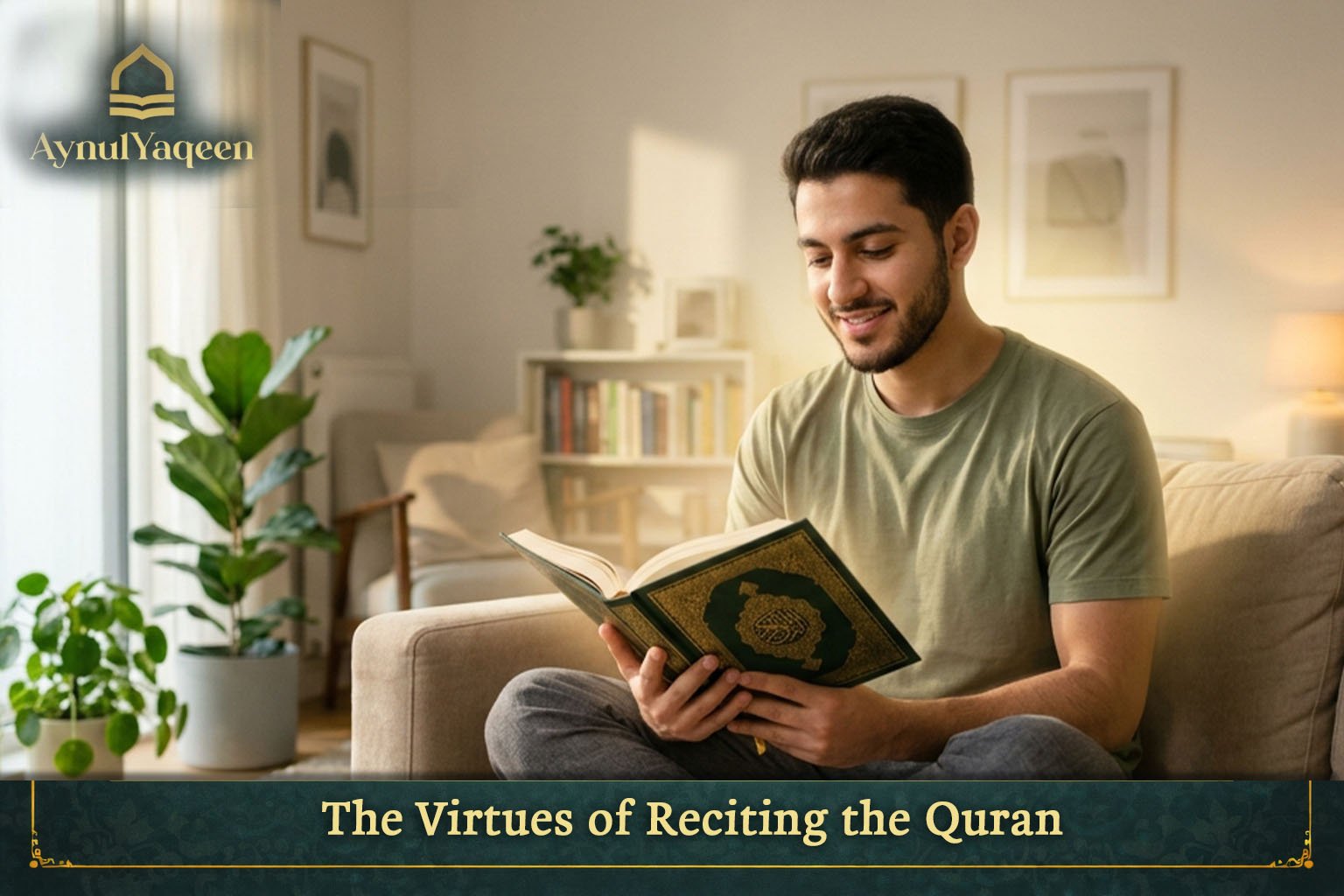
The virtues of reciting quran are not limited to the reward a Muslim receives for reading the words of Allah. Reciting the Quran is an act of worship that can strengthen faith, nurture the heart, improve character, and provide guidance through different stages of life. For this reason, many Muslims want to understand the virtues of reciting the Quran and learn how to make Quran recitation a meaningful part of their daily routine. The Quran is not a book that a believer reads once and puts away. It is a source of guidance that can be revisited throughout life. A person may read the same verse at different ages and discover a new lesson each time. Moreover, regular recitation creates an opportunity to remember Allah, reflect on His guidance, and develop a stronger relationship with revelation. For beginners, however, starting a Quran routine can feel difficult. Some struggle with Arabic pronunciation, while others can read but find it challenging to remain consistent. Aynulyaqeen Quran Academy can provide structured Quran learning for students who want to improve their recitation, develop better reading habits, and approach the Quran with greater confidence. What Are the Virtues of Reciting Quran? Understanding the virtues of reciting quran begins with recognizing that Quran recitation itself is worship. Muslims do not read the Quran merely for information. They recite it because it is the speech of Allah and because the Prophet Muhammad ﷺ encouraged believers to maintain a relationship with the Quran. One of the clearest indications of its reward appears in the hadith reported by Jami at-Tirmidhi. The Prophet ﷺ explained that whoever recites a letter from the Book of Allah receives a reward, and that each reward is multiplied by ten. He then clarified that Alif, Lam, and Mim are separate letters. This teaching gives Muslims an important reason to continue reciting even when their daily amount seems small. A person does not need to finish several chapters every day to benefit from Quran recitation. A few verses read consistently can become an important part of a believer’s routine. Therefore, the virtues of reciting quran include both the reward associated with recitation and the broader spiritual opportunity to remain connected to Allah’s guidance. Learn Online with Aynulyaqeen Quran Academy Choosing the right online Quran academy can make a significant difference in your learning journey. Aynulyaqeen Quran Academy provides structured Quran courses for beginners and advanced learners, focusing on accurate Quran reading, Tajweed, memorisation, and Islamic studies. With qualified teachers, flexible class schedules, and personalised one-on-one lessons, students of all ages can learn at their own pace while building confidence in reciting and understanding the Holy Quran from anywhere in the world. The Virtues of Reciting Quran as an Act of Worship One of the virtues of reciting quran is that it turns ordinary moments into opportunities for worship. A Muslim can open the Mushaf after Fajr, during a quiet afternoon, or before sleeping and dedicate that time to reciting the words of Allah. Allah instructs believers to recite the Quran with measured and deliberate recitation. This teaches an important principle: Quran reading should not always be treated as a race to complete a certain number of pages. Quality, attention, pronunciation, and reflection all matter. A beginner may read slowly because Arabic letters and sounds are unfamiliar. That does not mean the effort is insignificant. In fact, the Prophet ﷺ described a special reward for the person who recites the Quran while finding the task difficult. A useful approach is to focus on steady improvement rather than perfection. A learner can: Practice difficult Arabic letters individually. Read short passages aloud every day. Review mistakes with a qualified teacher. Learn basic Tajweed rules gradually. Increase the reading amount as fluency improves. This approach makes the virtues of reciting quran accessible to beginners as well as advanced readers. The Virtues of Reciting Quran for the Heart The Quran has a special relationship with the believer’s heart. Allah says in Surah Ar-Ra’d 13:28 that hearts find rest in the remembrance of Allah. Quran recitation can therefore become an important part of a Muslim’s spiritual routine. Many people live with busy schedules, constant notifications, work responsibilities, and family commitments. Setting aside even a short period for Quran recitation creates a deliberate pause in the day. Instead of moving from one task to another, the reader sits with the words of revelation. This is one reason the virtues of reciting quran cannot be measured only by the number of pages completed. The experience can also encourage a person to slow down, remember Allah, reconsider personal priorities, and approach difficulties with greater patience. However, it is important not to make exaggerated claims about the Quran producing identical emotional results for everyone. A believer may experience immediate comfort, while another person may need time to develop concentration and reflection. The key is to continue approaching the Quran sincerely and consistently. How does the Quran Guide Everyday Decisions? Another important aspect of the virtues of reciting quran is guidance. The Quran addresses faith, worship, family relationships, honesty, patience, justice, forgiveness, responsibility, and many other areas of human life. Understanding these principles also helps Muslims strengthen their knowledge of the core teachings of Islam, including What Are the Five Pillars of Islam?. Regular reading allows these teachings to remain familiar. When a person repeatedly encounters Quranic guidance about patience, for example, that message may become easier to remember during a difficult situation. Similarly, verses concerning forgiveness can encourage a believer to reconsider how they respond to conflict. This does not mean that every personal decision can be solved by randomly opening the Quran to a page. Rather, Muslims should learn its teachings systematically and apply established principles to their circumstances. A beneficial reading routine therefore combines three elements: Recitation to maintain a relationship with the Quran. Understanding to recognize the meanings of its teachings. Application to bring those teachings into everyday behavior. Together, these elements make Quran reading more purposeful. The Virtues of
The easiest way to memorize the Quran for Kids begins with a simple idea: children learn best when memorization feels manageable, consistent, and encouraging rather than stressful. Quran memorization is not a race. Each child has a different attention span, learning speed, personality, and level of Quran reading. Therefore, the most effective approach is the one that fits the child and can be maintained over time. For parents, finding the easiest way to memorize the quran for kids often means balancing repetition, listening, reading, revision, and motivation. A child may remember a short Surah quickly but struggle to retain it after several days. Another child may need more time with pronunciation before beginning serious memorization. Both situations are completely normal. The goal is not simply to make children memorize more verses. Instead, the goal is to help them build a lasting relationship with the Quran while developing accurate recitation and strong memorization habits. With the right routine and patient guidance, Quran memorization can become a positive part of a child’s daily life. For families looking for structured online support, Aynulyaqeen Quran Academy can provide children with organized Quran learning and guidance suited to their individual progress. Why does the Easiest Way to Memorize the Quran for Kids Need a Routine? A predictable routine gives children a clear idea of what to expect. Rather than asking a child to memorize whenever there is free time, parents can choose a regular period when the child is usually alert and comfortable. For example, a family might choose 15 to 25 minutes after school, before dinner, or at another convenient time. The exact time matters less than maintaining consistency. A useful routine can include: A few minutes of revision. Listening to the new passage. Reading the passage carefully. Memorizing a small section. Reciting without looking. Reviewing previous memorization. Ending with encouragement. This structure makes the easiest way to memorize the quran for kids easier to maintain because the child gradually becomes familiar with the learning process. Parents should also avoid changing the routine too frequently. Children usually respond better when Quran time has a recognizable place in their day. However, flexibility remains important when the child is tired, sick, traveling, or dealing with an unusually busy schedule. Learn Online with Aynulyaqeen Quran Academy Choosing the right online Quran academy can make a significant difference in your learning journey. Aynulyaqeen Quran Academy provides structured Quran courses for beginners and advanced learners, focusing on accurate Quran reading, Tajweed, memorisation, and Islamic studies. With qualified teachers, flexible class schedules, and personalised one-on-one lessons, students of all ages can learn at their own pace while building confidence in reciting and understanding the Holy Quran from anywhere in the world. The Easiest Way to Memorize the Quran for Kids Is to Start Small? One of the biggest mistakes parents can make is expecting a young child to memorize large portions immediately. A better approach is to begin with a realistic amount that the child can complete successfully. Short Surahs and small groups of verses can provide an excellent starting point. When children experience success, they often become more confident about continuing. For example, instead of assigning an entire Surah in one session, divide it into smaller sections. The child can learn a few verses, review them several times, and then gradually connect them. This makes the easiest way to memorize the quran for kids less overwhelming. Small portions also allow parents or teachers to identify difficulties early. If a child repeatedly struggles with one word, pronunciation, or verse sequence, that issue can be addressed before moving forward. Most importantly, the amount should match the child’s age and ability. A younger child may benefit from only a few lines at a time, while an older child with stronger reading skills may comfortably handle more. The Easiest Way to Memorize the Quran for Kids Through Listening Listening is an important part of Quran memorization because children can become familiar with the sound and rhythm of the verses before attempting to recite them independently. Parents can choose one reliable recitation and allow the child to listen repeatedly. The child should listen attentively rather than treating the audio as background noise. A practical listening routine might look like this: Listen to the verse several times. Follow the words in the Mushaf. Listen again while paying attention to pronunciation. Repeat the verse aloud. Recite it without the recording. Compare the child’s recitation with the chosen recitation. This method can make the easiest way to memorize the quran for kids more natural because the child becomes familiar with the sequence before relying entirely on memory. Listening can also be useful during quiet periods, such as while preparing for bed or traveling. Nevertheless, focused memorization should still include active recitation and correction. Use One Mushaf Consistently Visual memory can support Quran memorization. When a child regularly uses the same Mushaf, the location of a verse on the page can become familiar. Children may gradually remember whether a passage appeared near the top, middle, or bottom of a page. This visual association can help them recall the next part of a passage. Therefore, one of the easiest ways to memorize the quran for kids is to avoid constantly changing the visual layout. Parents can encourage the child to: Look carefully at the verse before reciting it. Follow the words with the eyes while listening. Notice where the passage begins and ends. Read from the same Mushaf during revision. Recite while looking and then repeat without looking. However, visual memory should support accurate memorization rather than replace understanding and careful recitation. The Easiest Way to Memorize the Quran for Kids With Repetition Repetition is one of the foundations of successful memorization. Reading a verse once or twice is rarely enough for long-term retention. Children need repeated exposure before a passage becomes secure. A simple method is to repeat one verse until the child can recite it comfortably. Then introduce the next verse and connect both together. For
How long it takes to memorize the Quran is one of the first questions people ask when they decide to begin Hifz. The honest answer is that there is no single timeline that works for everyone. Some learners may complete their memorization in around one year with an intensive schedule, while others may need two, three, or even five years because of work, school, family responsibilities, or a slower daily pace. The goal, however, should not be to finish the Quran as quickly as possible. A successful Hifz journey combines new memorization, consistent revision, correct Tajweed, understanding, and long-term retention. In other words, knowing how long it takes to memorize the Quran is useful for planning, but the quality of memorization matters more than the number of months on the calendar. For learners who want structured guidance, Aynulyaqeen Quran Hifz Academy can be part of a personalized memorization journey by helping students follow a consistent routine and receive guidance throughout the process. How Long Does It Take to Memorize the Quran? So, how long does it take to memorize the Quran on average? For many learners, a realistic range is approximately 1 to 5 years, depending mainly on the time available for new memorization and revision. Some students may progress faster with an intensive schedule, while others need more time because of work, school, family responsibilities, or a slower learning pace. The Quran is commonly printed in a standard Mushaf of approximately 604 pages, which makes it possible to create a rough timeline based on the amount memorized each day. Daily New Memorization Approximate Memorization Time Half a page daily About 3–4 years 1 page daily About 2 years 1.5 pages daily About 13–16 months 2 pages daily About 10–12 months 3 pages daily About 7–8 months These figures are planning estimates rather than guarantees. Illness, exams, travel, family commitments, difficult passages, and additional revision can extend the timeline. Therefore, when considering how long it takes to memorize the Quran, focus on a sustainable routine instead of setting an inflexible completion date. Learn Online with Aynulyaqeen Quran Academy Choosing the right online Quran academy can make a significant difference in your learning journey. Aynulyaqeen Quran Academy provides structured Quran courses for beginners and advanced learners, focusing on accurate Quran reading, Tajweed, memorisation, and Islamic studies. With qualified teachers, flexible class schedules, and personalised one-on-one lessons, students of all ages can learn at their own pace while building confidence in reciting and understanding the Holy Quran from anywhere in the world. Why Is There No Universal Hifz Timeline? Two students can spend the same number of hours studying and still progress at different speeds. Factors such as Quran reading ability, previous memorization experience, concentration, age, Arabic familiarity, and revision habits can all influence how long it takes to memorize quran at home. For example, a student who already reads fluently with accurate Tajweed may move through a new passage more easily than someone who is still developing basic pronunciation. Similarly, someone who has memorized several Juz may have stronger memorization habits than a complete beginner. This is why the better question is not simply How long does it take to memorize the Quran, but also: What daily schedule can I maintain consistently? A modest target followed every day can produce stronger results than an ambitious target that leads to exhaustion and frequent interruptions. The Most Important Factor: Daily Consistency If you want to understand how long it takes to memorize the Quran, start by looking honestly at your daily commitment. A student who studies for 45 minutes every day may eventually progress further than someone who studies for several hours only once a week. Regular exposure allows newly memorized verses to remain active while older portions receive continuous reinforcement. A consistent routine might include: 30–45 minutes for new memorization. 30–60 minutes for recent revision. Additional time for older portions. Listening and pronunciation practice. Reciting memorized passages during Salah when appropriate. The exact schedule should depend on the learner’s level and responsibilities. The key is to give Quran memorization a regular place in the day rather than waiting until free time becomes available. How Long Does It Take to Memorize the Quran for a Beginner? For a complete beginner, how long it takes to memorize the Quran fast may have a different answer than it does for an experienced Hifz student. A beginner may first need to improve Quran reading, pronunciation, letter recognition, and essential Tajweed rules. Building these foundations before increasing the memorization target can make the overall journey more accurate and manageable. A beginner-friendly progression can include: Establish accurate Quran reading. Learn essential Tajweed rules. Start with a manageable daily target. Review every new passage regularly. Increase the amount gradually when retention becomes stable. Test older memorized portions consistently. This approach may make the beginning slower, but it reduces the risk of memorizing mistakes that later require significant correction. Therefore, how long it takes to memorize the Quran should not be judged only by how many pages a beginner can memorize today. Long-term accuracy and retention matter just as much. How Long Does It Take to Memorize the Quran in 6 Months? Can the time it takes to memorize the Quran be reduced to six months? An extremely intensive program may make this possible for some learners, but it requires a demanding schedule and should not be treated as the standard timeline. A six-month plan would require several pages of new material to memorize each day, alongside substantial revision. This could mean several focused hours of Quran study every day. Such an approach may suit someone who: Has substantial daily availability. Reads the Quran fluently. Has previous memorization experience. Works with qualified supervision. Can maintain intensive revision. Has the discipline to follow the schedule consistently. The main challenge is not simply completing the pages. It is keeping them strong afterward. Therefore, when asking How long does it take to memorize the Quran, a six-month target should be viewed as an intensive possibility
An online Egyptian Quran teacher can make learning the Holy Quran more accessible, flexible, and personalized for Muslims around the world. Instead of traveling to a physical classroom, students can learn from home while receiving direct guidance in Quran reading, Tajweed, recitation, and memorization. Finding the right teacher is an important step because learning the Quran requires accurate pronunciation, patience, regular practice, and clear instruction. For this reason, many students and parents prefer to study with qualified teachers who can understand their individual levels and learning goals. Aynulyaqeen Quran Academy provides an online learning environment for students who want to develop their Quranic skills with structured lessons and personalized guidance. Whether the learner is a beginner, an adult returning to Quran study, a child starting from the basics, or a student working toward stronger memorization, the right learning approach can make the journey easier and more rewarding. Online Quran education also gives students greater flexibility when managing school, work, family responsibilities, and other commitments. With suitable lesson times and regular practice, learners can build a consistent routine without allowing distance or a busy schedule to prevent them from studying the Quran. In the following sections, we will explore the value of Egyptian Quran education, the benefits of personalized online learning, how parents can support children, common mistakes to avoid, and the factors students should consider when choosing an online Quran teacher. Why Choose an Egyptian quran teacher online? One of the most important advantages of learning from an Egyptian quran teacher online is the opportunity to study with a teacher who understands the Arabic language and the traditional methods of Quran education. The Quran was revealed in Arabic, so accurate pronunciation matters. A small change in the pronunciation of an Arabic letter can sometimes affect the meaning of a word. Therefore, learning from someone who understands Arabic phonetics and Quranic pronunciation can help students avoid common mistakes. Egyptian Quran teachers also have experience working with students at different levels. A complete beginner may need to start with Arabic letters and basic reading skills, while an advanced student may need detailed correction of Tajweed rules, articulation points, elongation, stopping rules, and recitation rhythm. The online format makes this expertise available to students around the world. Instead of depending on the availability of a local teacher, students can attend live lessons through an internet connection. This flexibility is particularly valuable for families who have busy schedules. Parents can choose lesson times that work around school, work, family responsibilities, and other commitments. Another advantage is individual attention. Private online lessons allow the teacher to listen carefully to the student and identify specific mistakes. The teacher can then adjust the lesson according to the student’s progress instead of following one fixed program for everyone. Learn Online with Aynulyaqeen Quran Academy Choosing the right online Quran academy can make a significant difference in your learning journey. Aynulyaqeen Quran Academy provides structured Quran courses for beginners and advanced learners, focusing on accurate Quran reading, Tajweed, memorisation, and Islamic studies. With qualified teachers, flexible class schedules, and personalised one-on-one lessons, students of all ages can learn at their own pace while building confidence in reciting and understanding the Holy Quran from anywhere in the world. Egyptian quran teacher online for children Children often need a different teaching approach from adults. They may lose concentration quickly, become frustrated when lessons feel repetitive, or need additional encouragement before they feel confident reading aloud. An Egyptian quran teacher online can create a child-friendly learning environment in which Quran education becomes a regular and enjoyable part of the child’s routine. For young learners, lessons may begin with recognizing Arabic letters, learning correct sounds, connecting letters, reading simple words, and gradually progressing toward Quranic verses. Once the child becomes comfortable with reading, the teacher can introduce Tajweed rules in an age-appropriate way. Memorization can also be introduced gradually. Instead of asking a child to memorize a large amount at once, the best quran teacher near me can divide the material into manageable sections. The child can then review previous verses before moving to new material. This method helps establish consistency. Regular revision is essential because memorization is not simply about learning new verses. It is also about preserving what has already been learned. Teachers can use repetition, questions, visual explanations, examples, and positive encouragement to maintain the child’s attention. Parents can also participate by helping the child revise between lessons. Online Quran classes can therefore become a partnership between the teacher, student, and parents. Egyptian Quran Teacher Online for Busy Families Parents often want their children to receive Quran education but struggle with transportation and scheduling. Online lessons remove many of these obstacles. There is no need to drive to a learning center several times a week. The child can attend the lesson from home using a computer, tablet, or another suitable device. This can save time and make regular attendance easier. Moreover, online learning allows families living in countries where qualified Quran teachers are limited to access teachers from Egypt and other countries with strong Quranic education traditions. Egyptian quran teacher online for adults and beginners Adults often have different goals from children. Some may want to learn how to read the Quran from the beginning, while others may already read but want to correct their pronunciation. Some students may have learned Quran reading during childhood but stopped practicing for years. Returning to Quran study can feel difficult at first. However, a patient quran tutor for beginners can help the learner rebuild confidence gradually. An Egyptian quran teacher online can assess the student’s current level and create lessons based on actual needs. For example, a beginner may need to study Arabic letters and vowel signs before reading complete words. Another student may already read fluently but need improvement in Tajweed. A third learner may focus mainly on memorization. A personalized program avoids wasting time on material the student already understands. Adults also benefit from flexible scheduling. A working professional may prefer evening lessons,