

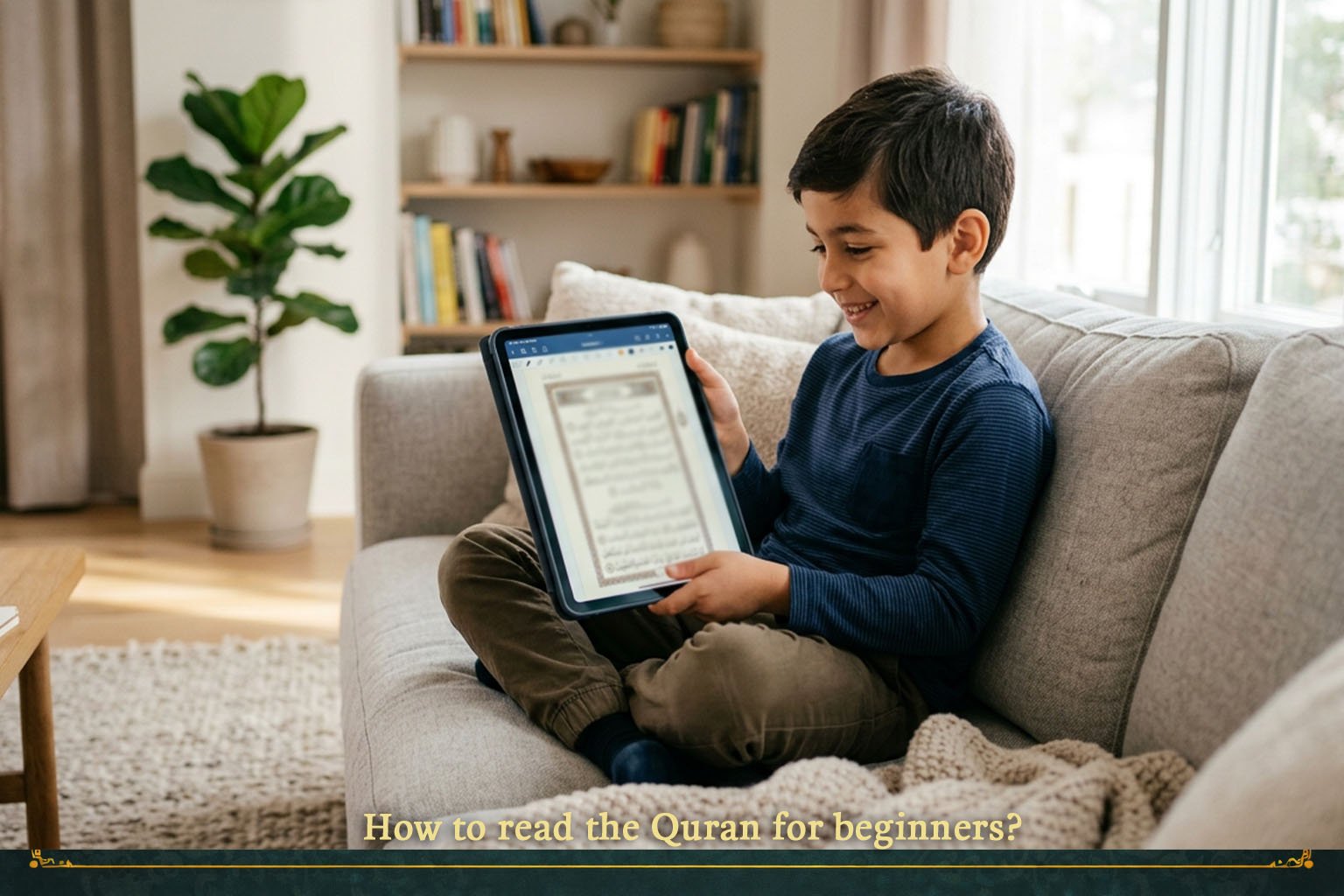
How to read the quran for beginners is a meaningful journey that helps Muslims build a stronger connection with the words of Allah. Whether you are a child, an adult, or a non-Arabic speaker, learning to read the Quran becomes much easier when you follow a clear and structured approach.
The process begins with recognizing Arabic letters, understanding their pronunciation, and gradually learning basic Quran reading rules. As students progress, they can study Noorani Qaida, apply simple Tajweed rules, and practice short Surahs with confidence. Consistent daily practice and guidance from qualified teachers are essential for steady improvement.
Aynulyaqeen Quran Academy provides structured online Quran classes that support beginners through every stage of learning. This guide explains the essential steps of how to read the quran for beginners, helping learners build confidence and read the Quran correctly.
Why Learning the Quran Matters for Every Beginner?
The Quran is the final revelation from Allah and serves as guidance for every aspect of life. Reading it correctly is not simply an educational goal; it is an act of worship that strengthens faith and deepens one’s relationship with the Creator.
Many beginners believe that learning Quranic Arabic is difficult, but every fluent reader once started by recognizing individual letters. Progress comes through patience rather than speed. Even learning a few verses correctly each day is more valuable than rushing through many pages without proper pronunciation.
Reading the Quran regularly also nurtures discipline, inner peace, and spiritual awareness. As learners become more familiar with the language of the Quran, they gradually develop greater confidence in both recitation and understanding.
Learn Online with Aynulyaqeen Quran Academy
Choosing the right online Quran academy can make a significant difference in your learning journey. Aynulyaqeen Quran Academy provides structured Quran courses for beginners and advanced learners, focusing on accurate Quran reading, Tajweed, memorization, and Islamic studies.
With qualified teachers, flexible class schedules, and personalized one-on-one lessons, students of all ages can learn at their own pace while building confidence in reciting and understanding the Holy Quran from anywhere in the world.

How to Read the Quran for Beginners: Step by Step?
Anyone can learn the Quran successfully when following a gradual learning method. Instead of trying to master everything at once, beginners should focus on one stage before moving to the next.
The journey usually begins with recognizing the Arabic alphabet and understanding the unique sound of every letter. Once students become comfortable identifying letters, they move to vowel marks, letter connections, and simple words.
After mastering these basics, learners study Noorani Qaida, one of the most trusted methods for developing Quran reading skills. This stage teaches students how letters combine, how words are formed, and how verses should be read naturally.
Finally, students begin reading short Surahs while applying simple Tajweed rules before gradually progressing to longer chapters.
This step-by-step approach makes how to read the quran for beginners practical and achievable for learners of every age.
Building a Strong Foundation with Arabic Letters
Before reading complete Quranic verses, beginners must become comfortable with the Arabic alphabet. The first step in how to read the quran for beginners is understanding Arabic letters, their sounds, and the way they appear in different positions within words.
Unlike many other languages, Arabic letters change their shape depending on their position within a word. Understanding these forms is an essential part of Quran reading and helps students recognize words more easily during recitation.
Every Arabic letter also has its own articulation point. Some letters are pronounced from the throat, while others depend on the tongue, lips, or nasal passage. Learning these differences from the beginning prevents pronunciation mistakes later and makes learning how to read the quran for beginners more effective.
Students should practice reading letters individually before combining them into syllables and complete words. Listening carefully to qualified reciters while repeating after them helps reinforce accurate pronunciation.
Daily repetition is far more effective than studying for long hours once a week. Even fifteen minutes of focused practice can produce steady improvement and support progress in how to read the quran for beginners.
Understanding Noorani Qaida Before Reading the Quran
One of the most effective resources for beginners is Noorani Qaida. It has been used for generations to teach students how to read Quranic Arabic through carefully organized lessons.
For students following how to read the quran for beginners, Noorani Qaida provides a gradual learning system that starts with simple concepts and prepares learners for Quran recitation.
Rather than presenting difficult material immediately, Noorani Qaida introduces reading gradually. Students first learn letters, then vowel signs, followed by connected letters, short words, and eventually complete Quranic verses.
This gradual progression reduces confusion and allows learners to build confidence with every lesson. It also makes the process of how to read the quran for beginners easier by creating a clear learning path.
Skipping Noorani Qaida often causes reading difficulties later because students may struggle with pronunciation, fluency, or recognizing connected letters. Completing it properly creates a strong foundation that makes Quran reading much smoother.
Many qualified teachers recommend spending enough time mastering Noorani Qaida before moving into regular Quran recitation because it is an important stage in learning how to read the quran for beginners.
Why is Tajweed Essential from the Beginning?
Many beginners think Tajweed should be learned only after becoming fluent in reading, but introducing basic Tajweed rules early helps students avoid developing incorrect habits during how to read the quran for beginners.
Tajweed teaches readers how every letter should be pronounced, when sounds should be lengthened, and how different letters interact during recitation. These rules preserve the original pronunciation of the Quran exactly as it was transmitted.
Learning Tajweed gradually also makes recitation more beautiful and meaningful. Instead of reading mechanically, students develop a natural rhythm while maintaining accuracy.
For anyone starting to learn how to read the quran for beginners, learning Tajweed step by step provides the confidence needed to read verses correctly and improve recitation quality over time.
Beginners do not need to memorize every Tajweed rule immediately. Learning them one at a time while practicing actual Quranic verses is usually the most effective approach.
How to Read the Quran for Beginners Without Feeling Overwhelmed?
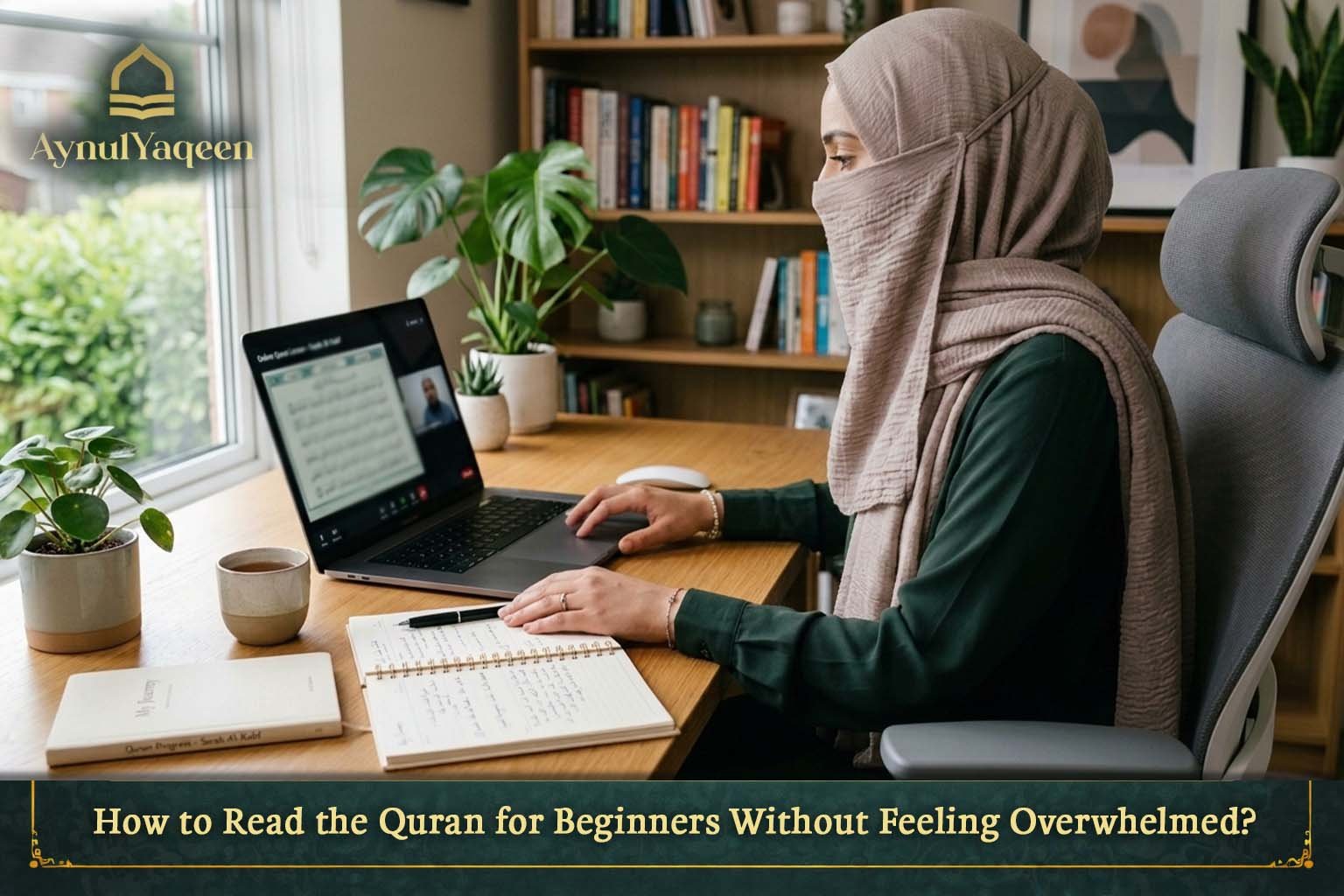
Many new learners worry that they are progressing too slowly. In reality, every student learns at a different pace. Comparing yourself to others often creates unnecessary frustration.
Instead, focus on small daily goals. Learning one new rule, mastering one page of Noorani Qaida, or improving the pronunciation of a few words represents genuine progress.
Celebrating these small achievements keeps motivation high and makes the learning journey enjoyable rather than stressful.
Working with experienced teachers also helps identify mistakes before they become habits. Personalized feedback accelerates improvement and increases confidence.
Students studying through Aynulyaqeen Quran Academy benefit from structured lessons that allow beginners to advance gradually while receiving continuous support throughout every stage of learning.
Daily Habits That Help Beginners Learn Faster
Successful Quran learners usually develop simple habits that remain consistent over time. Useful daily habits include:
- Reading at the same time every day.
- Reviewing previous lessons before learning something new.
- Listening to experienced Quran reciters.
- Reading aloud instead of silently.
- Practicing difficult words repeatedly.
- Keeping a notebook for pronunciation notes.
- Ask teachers about unclear rules immediately.
These habits strengthen memory and improve fluency without making the learning process overwhelming. Consistency always produces better results than studying for long periods only occasionally.
Common Challenges Every Beginner Faces
Every learner experiences challenges during the early stages of Quran reading. Some struggle to distinguish similar Arabic letters, while others find certain throat sounds difficult to pronounce. Many beginners also read too quickly before mastering correct pronunciation.
Another common challenge is irregular practice. Long breaks between lessons slow progress and make reviewing previous material more difficult.
Fortunately, these obstacles disappear gradually through consistent repetition, patient instruction, and steady practice.
Understanding that these challenges are a normal part of learning helps students remain motivated and continue improving without discouragement.
Choosing the Right Method for Quran Learning
Choosing the right learning method has a major impact on how quickly and confidently a beginner progresses. Every student has different needs, learning speed, and personal goals, so the best approach is the one that provides clear guidance, regular practice, and continuous improvement.
Some learners prefer studying with a teacher because direct feedback helps correct pronunciation mistakes immediately. Others benefit from online lessons because they provide flexibility and allow students to learn according to their own schedules.
A successful Quran learning method should include three important elements: proper pronunciation, gradual lessons, and consistent revision. Without these elements, students may memorize information temporarily but struggle to apply it during actual recitation.
Modern online Quran programs have made learning easier for people who cannot attend traditional classes. Through live sessions, audio exercises, and personalized feedback, beginners can develop their reading skills from anywhere in the world.
How to read the quran for beginners: Developing Proper Recitation Skills?
Developing proper recitation skills requires patience and regular practice. Reading the Quran is not only about recognizing words; it is about delivering each letter with accuracy and respect. Beginners should focus on improving three main areas:
- Correct Pronunciation: Every Arabic letter has a specific sound and articulation point. A small pronunciation mistake can sometimes change the meaning of a word, which is why learning correct pronunciation from the beginning is essential. Students should listen carefully to their teachers and repeat words multiple times until they become comfortable with the sounds.
- Reading with Confidence: Many beginners hesitate because they fear making mistakes. However, mistakes are a natural part of learning. Confidence grows when students practice regularly and receive helpful corrections. Reading aloud every day improves fluency and makes Quran recitation feel more natural.
- Applying Basic Tajweed Rules: Tajweed should become part of everyday practice. Beginners do not need to master advanced rules immediately, but understanding basic concepts such as elongation, stopping rules, and correct letter pronunciation creates a strong foundation. With time and practice, students naturally improve their ability to recite smoothly and beautifully.
The Role of Qualified Teachers in Quran Learning
A qualified Quran teacher plays an important role in guiding beginners through their learning journey. While books and recorded lessons can provide useful information, personal guidance helps students recognize mistakes and improve faster.
A teacher can explain difficult pronunciation points, demonstrate correct recitation, and create a learning plan suitable for each student’s level. For children, teachers provide encouragement and engaging methods that make lessons enjoyable. For adults, teachers offer structured guidance that respects their learning pace and personal commitments. Having someone experienced to provide feedback prevents students from repeating incorrect habits and builds confidence throughout the process.
Learning the Quran Online: A Flexible Solution for Beginners
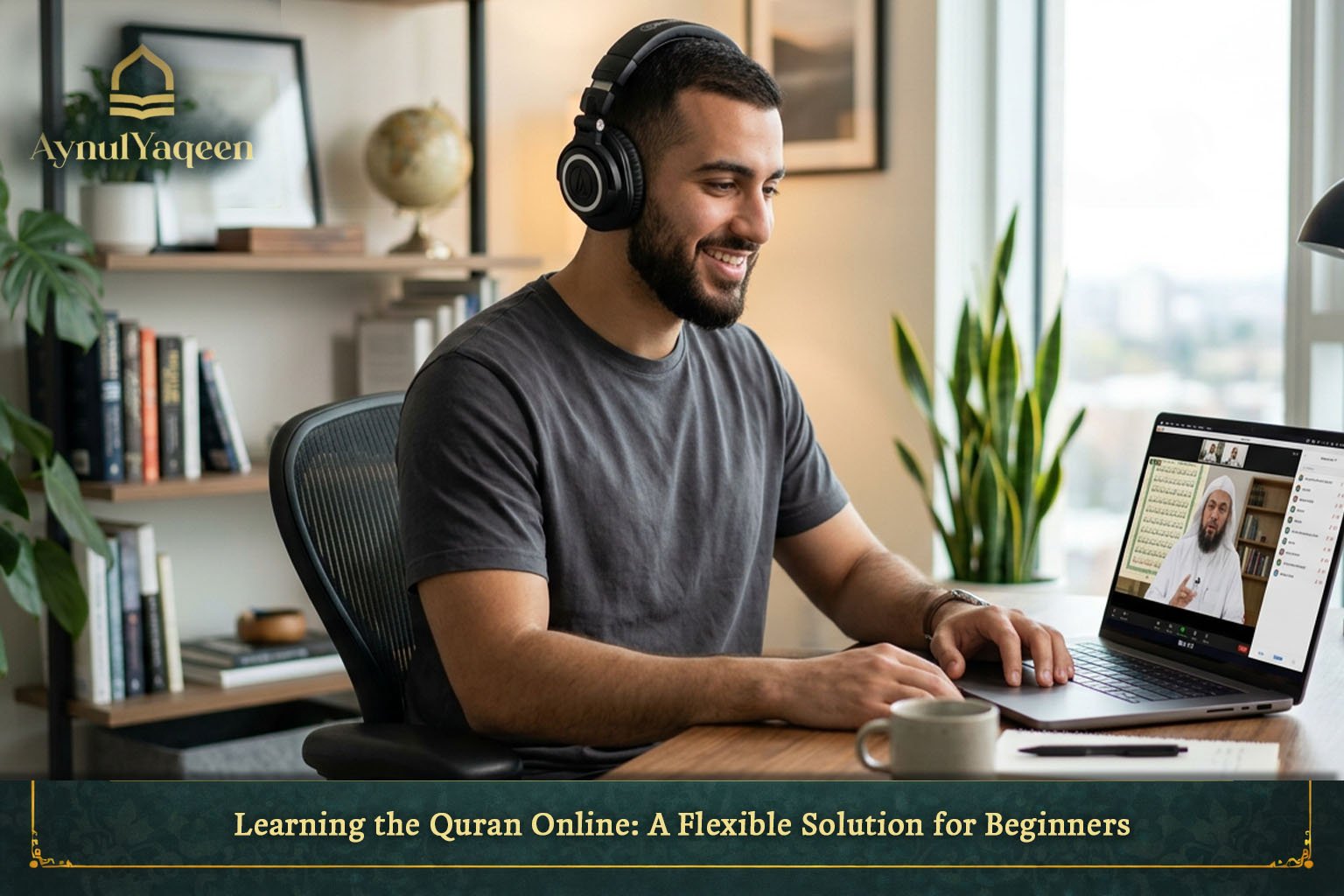
Online Quran learning has become a practical solution for many students around the world. It allows learners to access qualified teachers without needing to travel or change their daily routines.
Online classes are especially helpful for beginners because they provide personalized attention. Students can ask questions, repeat difficult lessons, and receive corrections during live sessions. A good online learning environment should include:
- Experienced Quran teachers.
- A structured curriculum.
- Regular practice assignments.
- Clear communication between students and teachers.
- Flexible scheduling options.
Aynulyaqeen Quran Academy provides organized Quran lessons designed to support students at different learning levels. Through guided instruction and practical exercises, beginners can build their reading abilities step by step.
Effective Ways to Practice Quran Reading Daily
Daily practice is the foundation of successful Quran learning. For anyone following how to read the quran for beginners, even short practice sessions can create significant improvement when they are consistent. Regular repetition helps students strengthen their pronunciation, increase confidence, and develop better reading habits over time. A beginner’s daily routine can include:
- Reviewing Previous Lessons: Before learning something new, spend a few minutes reviewing previous material. This strengthens memory and prevents forgetting important rules. During the journey of how to read the quran for beginners, revision plays an important role in helping students maintain what they have already learned.
- Reading Slowly and Clearly: Speed should never be the first goal. Accurate reading with correct pronunciation is more valuable than finishing many pages quickly. Beginners who understand how to read the quran for beginners should focus on improving accuracy before increasing their reading speed.
- Listening and Repeating: Listening to skilled reciters helps students understand proper pronunciation, rhythm, and pauses. This method supports learners who are practicing how to read the quran for beginners because hearing correct recitation makes it easier to imitate the right sounds.
- Practicing Difficult Words: Some words may require extra attention. Repeating challenging words several times helps improve accuracy and makes difficult pronunciation easier. A consistent routine makes learning how to read the quran for beginners easier because progress happens naturally through repetition and patience. Students who practice regularly usually develop stronger reading skills and greater confidence.
Mistakes Beginners Should Avoid During Quran Learning
Many beginners make simple mistakes that slow their progress. Understanding these mistakes helps students avoid common problems and creates a smoother path for reading the quran for beginners.
- Rushing Through Lessons: Trying to move too quickly can create weak foundations. Each lesson should be understood before moving forward because proper learning requires patience and attention to detail.
- Ignoring Pronunciation: Some learners focus only on finishing pages without paying attention to correct sounds. Proper pronunciation should always remain a priority, especially for students who are learning how to read the quran for beginners and building their first recitation skills.
- Practicing Irregularly: Learning requires consistency. Long gaps between lessons make it harder to remember previous information and slow down improvement.
- Learning Without Guidance: Self-study can be helpful, but beginners often need someone to correct their mistakes and explain difficult concepts. Proper guidance makes learning how to read the quran for beginners more effective and prevents incorrect habits from becoming permanent. Avoiding these mistakes creates a smoother and more enjoyable learning experience for every student.
How Can Parents Support Children Learning the Quran?
Parents play an important role in helping children develop a positive relationship with the Quran. Supporting children in learning how to read the quran for beginners creates a strong foundation and encourages lifelong learning.
Children learn better when parents create an encouraging environment instead of focusing only on mistakes. Praise, patience, and regular encouragement help children stay motivated. Parents can support Quran learning by:
- Creating a daily reading schedule.
- Listening to their child’s recitation.
- Providing suitable learning materials.
- Celebrating progress.
- Encouraging good learning habits.
When children associate Quran learning with positivity and support, they are more likely to continue their journey with enthusiasm and confidence.
How Adults Can Start Their Quran Learning Journey?
Many adults hesitate to begin because they believe they are too old to learn. However, Quran learning has no age limit, and anyone can start learning how to read the quran for beginners with the right approach.
Adults often bring strong motivation and commitment, which helps them make steady progress. With proper guidance and regular practice, even someone starting from zero can develop excellent reading skills.
Adults should focus on realistic goals and avoid comparing their progress with others. Learning a few verses correctly is a valuable achievement.
The most important qualities are patience, sincerity, and regular practice throughout the learning journey.
Improving Quran Fluency Over Time
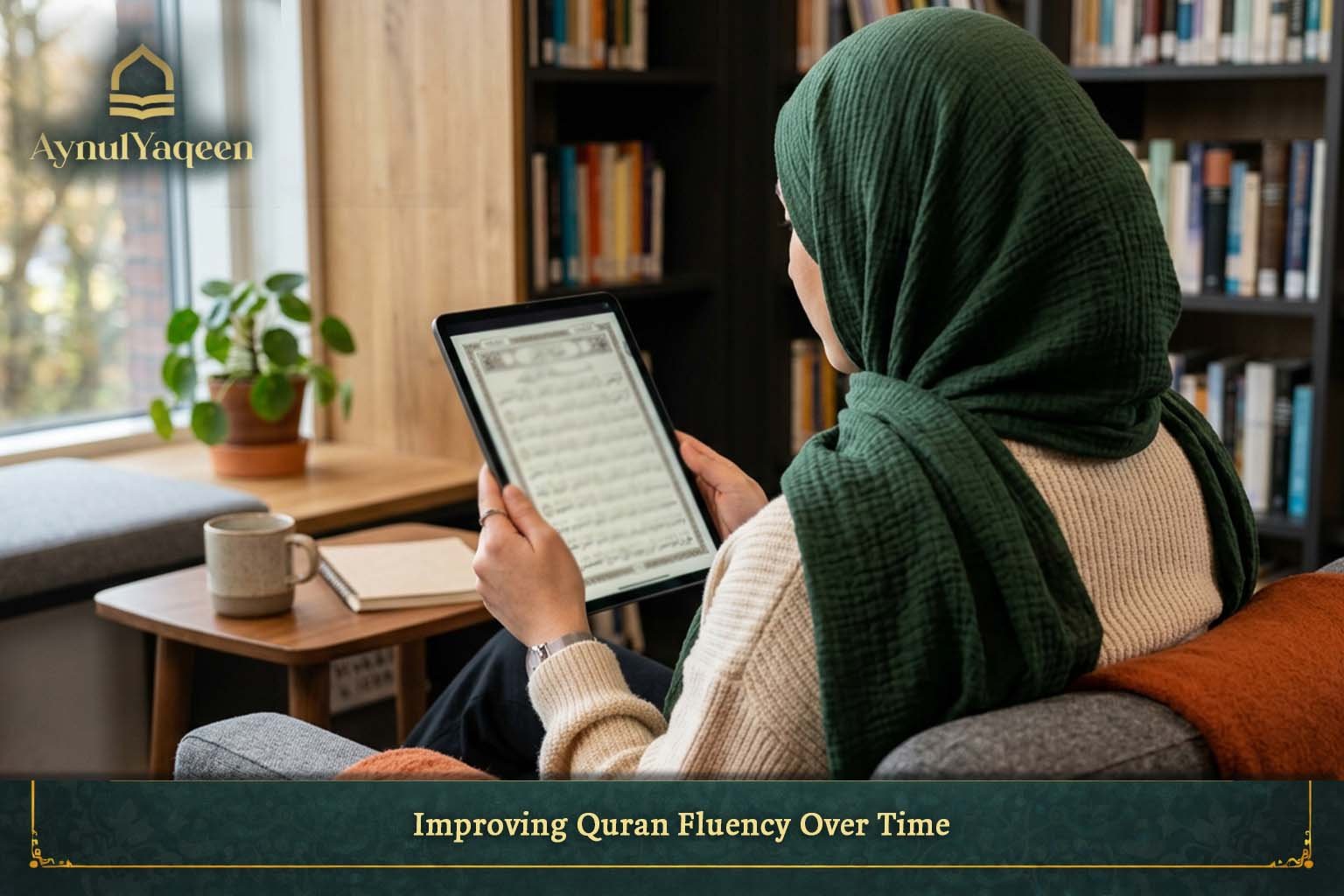
Fluency does not happen overnight. It develops through continuous effort and repeated practice. Students who follow the principles of how to read the quran for beginners should understand that improvement comes gradually through dedication.
After mastering basic reading skills, students can improve fluency by reading regularly, reviewing previous Surahs, and increasing their exposure to Quranic Arabic. Helpful strategies include:
- Reading daily, even for a short time.
- Revising memorized verses.
- Following qualified reciters.
- Practicing difficult sections repeatedly.
- Maintaining consistency.
Over time, beginners move from slowly recognizing words to reading with greater confidence and understanding. A consistent approach to how to read the quran for beginners helps learners continue improving throughout their Quran journey.
How to read the quran for beginners: Creating a Long-Term Learning Plan?
A long-term learning plan is an essential step for anyone searching for how to read the quran for beginners because it helps students stay focused, build confidence, and track their progress over time. Instead of creating unrealistic goals, beginners should follow a structured approach that allows them to improve gradually and develop strong Quran reading skills.
When learning how to read the quran for beginners, students should divide their journey into clear stages. A simple long-term plan may include:
- First Month: Focus on learning Arabic letters, correct sounds, and basic reading skills. Beginners should spend time recognizing letters and practicing proper pronunciation.
- Second Month: Practice connected letters, simple Arabic words, and Noorani Qaida lessons. These exercises help students prepare for reading Quranic verses more smoothly.
- Third Month: Start reading short Surahs while applying basic Tajweed rules. This stage helps learners improve accuracy and understand the correct way of Quran recitation.
- Following Months: Continue improving fluency, pronunciation, and confidence through regular Quran reading practice. Students should also revise previous lessons to strengthen their skills.
Having a clear learning plan makes the process easier and prevents confusion. For beginners, consistency and patience are the keys to success when learning how to read the quran for beginners. With regular practice and proper guidance, learners can develop a strong connection with the Quran and continue improving throughout their journey.
The Spiritual Benefits of Learning Quran Recitation
Learning to read the Quran brings many spiritual benefits beyond improving reading ability. Regular Quran recitation creates a sense of peace and strengthens faith. It allows Muslims to connect directly with the words of Allah and reflect on their meanings.
The journey itself teaches patience, discipline, and dedication. Every effort made toward learning the Quran carries great value. For beginners, each new letter and verse represents progress toward a deeper spiritual connection.
What Should Beginners Learn Before Reading the Quran?
Before starting Quran recitation, beginners should understand that learning is a gradual process that requires building several important skills. Many students try to read Quran verses immediately without mastering the basics, which can make progress slower.
The first stage is learning Arabic letters and their sounds. For this reason, studying the Arabic alphabet for beginners is an essential step that helps learners recognize letters, understand their pronunciation, and prepare for reading Quranic words correctly.
After that, students need to understand how letters connect, how vowel marks change pronunciation, and how words are formed. These basic skills create a strong foundation for accurate Quran reading.
Another important skill is learning basic Quran reading rules. These rules help beginners recognize correct pronunciation and avoid common mistakes during recitation.
A strong foundation makes the Quran learning journey easier and allows students to progress with confidence. When beginners focus on understanding each stage properly, they develop skills that support accurate and fluent Quran reading in the future.
How Long Does It Take to Learn Quran Reading for Beginners?
One of the most common questions beginners ask is how long it takes to learn Quran reading. The answer depends on several factors, including the learner’s age, previous knowledge, practice schedule, and guidance from a qualified teacher.
Some students may learn basic reading skills within a few months, while others may need more time to become comfortable with pronunciation and Tajweed rules.
The most important factor is consistency. A student who practices for a short time every day will usually progress faster than someone who studies for many hours but only occasionally.
When learning how to read the quran for beginners, patience is essential. Quran learning is not a race; it is a journey that improves through continuous effort and dedication.
Many learners who follow a structured method to learn quran for beginners achieve better results because they focus on gradual improvement instead of rushing through lessons.
The Importance of Listening While Learning Quran Reading
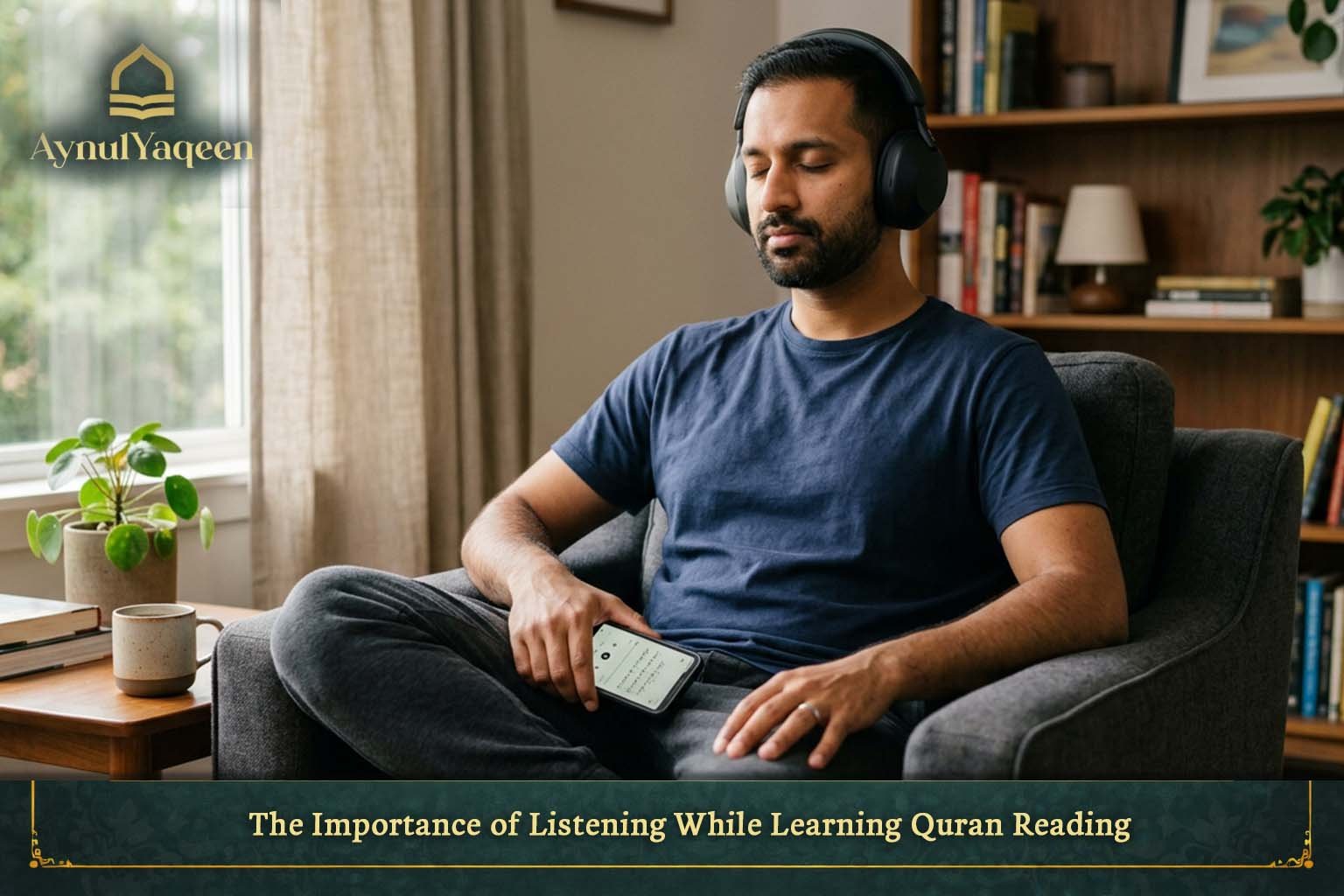
Listening plays a major role in helping beginners improve their Quran recitation. Before students can pronounce words correctly, they need to hear how experienced reciters pronounce Arabic letters and verses.
Regular listening helps learners recognize proper pronunciation, correct rhythm, and appropriate stopping points. It also trains the ear to become familiar with Quranic Arabic.
Beginners should choose reliable reciters and listen carefully while following the written verses. Repeating after the reciter is one of the most effective techniques for improving reading accuracy.
Combining listening practice with lessons from a qualified teacher creates a balanced learning method that supports faster improvement. A good quran tutor for beginners can also guide students in selecting suitable listening materials and correcting pronunciation during practice.
How do Online Quran Classes Help Beginners Learn Faster?
Modern technology has changed the way people learn the Quran. Online Quran classes provide beginners with access to experienced teachers without the need to travel or attend physical classes.
For students searching for how to read the quran for beginners, online learning offers several advantages, including flexible schedules, individual attention, and interactive lessons.
During online classes, teachers can listen to students’ recitation, identify pronunciation mistakes, and provide immediate corrections. This personalized approach helps beginners avoid developing incorrect reading habits.
Online Quran programs are especially useful for busy adults, children, and students living in areas where qualified Quran teachers are not easily available.
Many online programs also provide structured lessons that include reading practice, pronunciation improvement, and tajweed classes for beginners to help students develop correct Quran recitation skills from the start.
The Difference Between Reading the Quran and Understanding It
Learning to read the Quran is the first important step, but the ultimate goal is to build a deeper connection with its meanings and guidance.
Beginners should first focus on correct pronunciation and fluent reading. Once they become comfortable with recitation, they can gradually begin studying translation and explanation of Quranic verses.
Understanding the message of the Quran increases motivation and helps learners appreciate the wisdom behind what they recite.
A complete Quran learning journey combines accurate reading, proper pronunciation, and reflection on the meanings of Allah’s words. Learning how to learn quran successfully includes developing both reading skills and a deeper appreciation of the Quran’s message.
Creating Motivation During the Quran Learning Journey
Maintaining motivation is one of the biggest challenges for beginners. At the beginning, progress may seem slow, but every small improvement is an important achievement.
Students can stay motivated by setting realistic goals, tracking their progress, and celebrating milestones. Completing a Noorani Qaida lesson, reading a short Surah, or improving pronunciation are all valuable steps.
Family support and encouragement also play an important role, especially for children. A positive learning environment makes Quran study more enjoyable and helps students continue consistently.
Remembering the spiritual value of learning the Quran gives beginners the motivation to continue even when challenges appear.
Best Time of the Day for Quran Reading Practice
Choosing the right time for daily practice can improve concentration and learning results. Many students find that practicing after Fajr or during quiet parts of the day helps them focus better.
However, the best time depends on each learner’s personal schedule. The most important thing is choosing a consistent time and making Quran reading a regular habit.
A short daily session with full concentration is often more beneficial than a long session filled with distractions. Developing a fixed routine helps beginners make steady progress and turn Quran reading into a lifelong habit.
How to Track Progress When Learning Quran Reading?
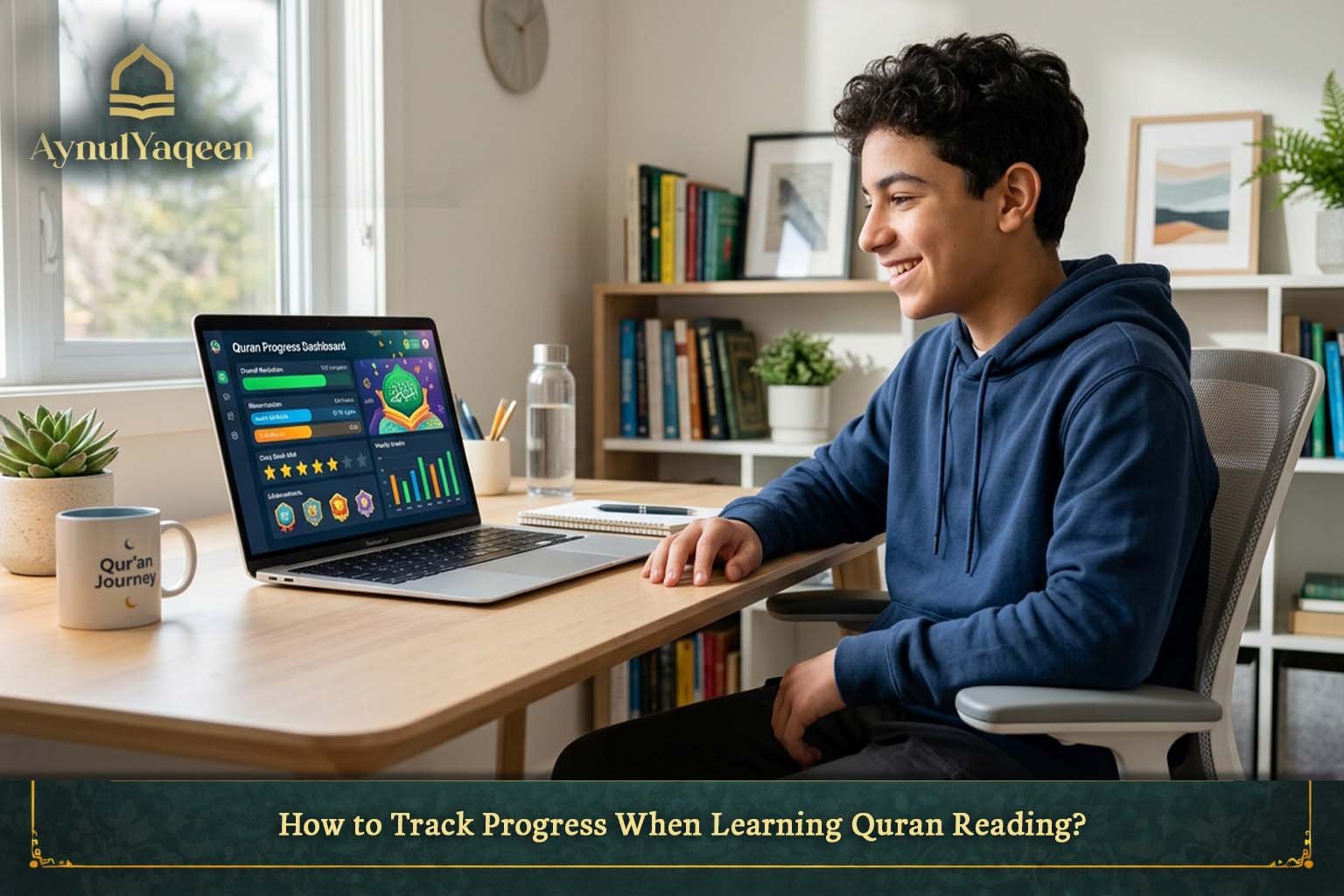
Tracking progress helps beginners stay motivated and understand their improvement. Students can keep notes about completed lessons, difficult letters, new Tajweed rules, and Surahs they have learned.
A progress record allows learners and teachers to identify areas that need more practice. It also encourages by showing how much improvement has been achieved over time.
When following how to read the quran for beginners, measuring progress creates a clear learning path and helps students continue moving forward with confidence.
Frequently Asked Questions
Find answers to common questions about starting Quran reading, learning Arabic letters, improving pronunciation, and building effective habits for beginners.
1. How long does it take for a beginner to learn Quran reading?
The time required depends on the learner’s consistency, previous experience, and practice routine. Some students develop basic reading skills within a few months, while others may need longer. Regular practice is the most important factor.
2. Can someone learn to read the Quran without knowing Arabic?
Yes, many non-Arabic speakers successfully learn to read the Quran. They begin with Arabic letters, pronunciation, and basic rules before gradually progressing to Quran verses.
3. What is the best age to start learning to read the Quran?
There is no specific age requirement. Children and adults can begin learning at any stage of life. The best time is whenever a person is ready to commit to regular practice.
In conclusion, learning the Quran is a rewarding journey that requires patience, consistency, and proper guidance. Understanding how to read the quran for beginners becomes easier through regular practice, learning Arabic basics, and applying Tajweed step by step.
With the right learning method, students can improve their pronunciation and confidence. Following how to read the quran for beginners helps learners build strong reading skills and progress gradually.
Small daily efforts make how to read the quran for beginners an achievable goal for learners of all ages. Through dedication and continuous practice, anyone can succeed in how to read the quran for beginners and develop a lasting connection with the Quran. You may also find our guide to online Arabic classes for adults helpful.
You may also find our guide to the best Quranic Arabic course helpful.
You may also find our guide to Best Quran tutor for kids helpful.
You may also find our guide to Best Quran teacher near me helpful.
If you’re interested, check out our article on Arabic speaking classes.
You may also find our guide to What is Ihram helpful.
You may also find our guide to What is Hajj in Islam helpful.
You may also find our guide to Islamic classes for kids helpful.
You may also find our guide to Learn Islam online helpful.
You may also find our guide to Quran tutor online helpful.
You may also find our guide to Islamic online Quran academy helpful.
You may also find our guide to Online Quran Hifz classes helpful.
You may also find our guide to Best online Tajweed course helpful.
If you’re interested, check out our article on Arabic letters for kids.
Looking for something age-appropriate for a child? Take a look at our Quran classes for kids in the UK.
