
January 25, 2026


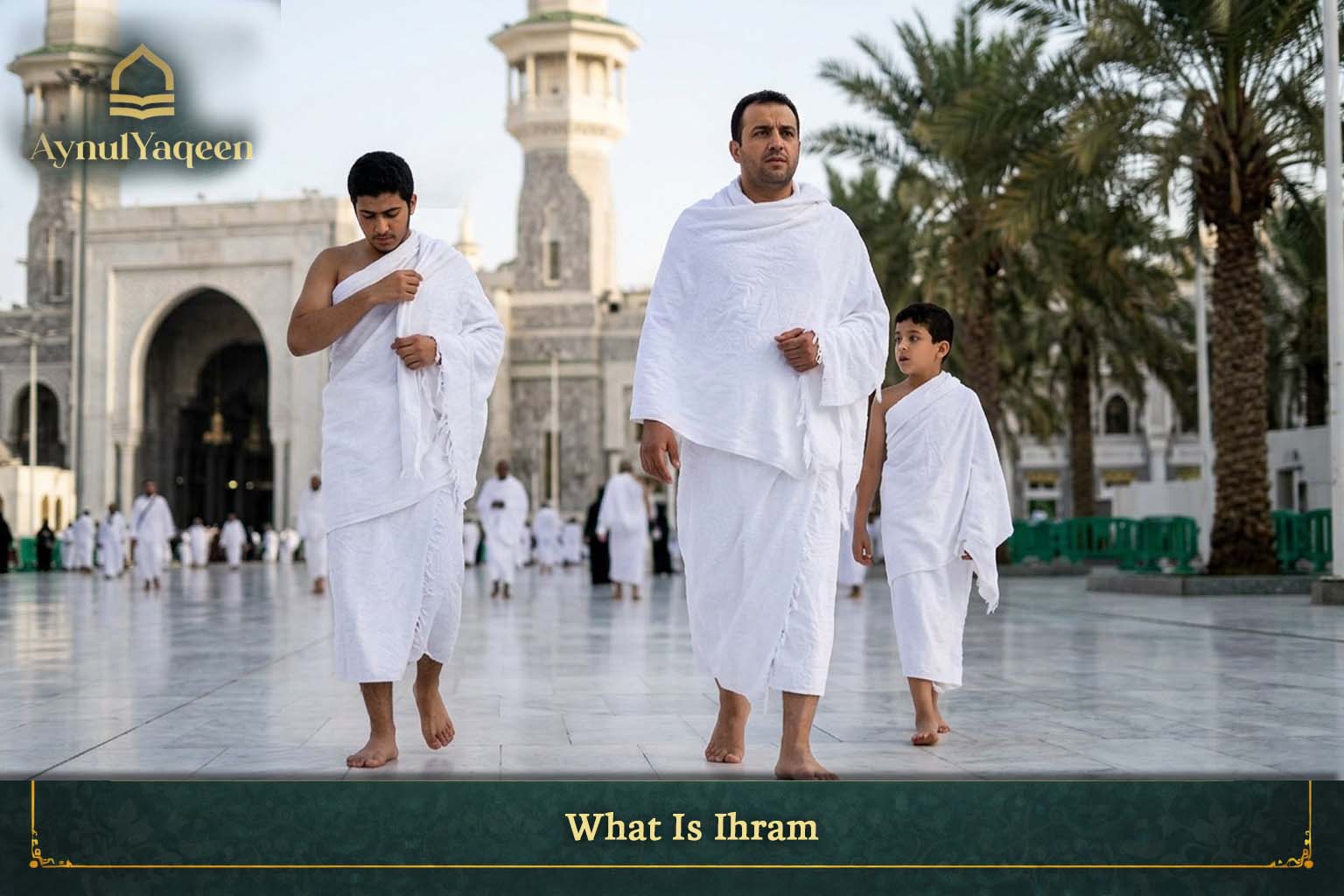
What is Ihram is one of the most frequently asked questions among new Muslims and even among those preparing for Hajj or Umrah for the first time. Ihram is not simply a type of clothing; it is a complete spiritual and physical state that a Muslim enters in preparation for the greatest act of worship in Islam. This concept has been carefully explained in this guide presented by Aynulyaqeen Quran academy, aiming to help every Muslim understand this essential pillar of pilgrimage in a clear and practical way. Understanding Ihram in Islam goes beyond definitions. It is about preparing the heart, mind, and body for a journey of devotion, humility, and submission to Allah. Ihram Meaning and Importance in Hajj and Umrah Guide What Is Ihram Ihram is the true starting point of both Hajj and Umrah. A Muslim cannot begin the rituals of pilgrimage without entering this sacred state. When someone searches for Ihram in Islam, they are not just looking for a definition, they are seeking guidance on how to prepare for a spiritual journey that requires purity, discipline, and sincere intention. Ihram represents a state of purification where a Muslim leaves behind worldly symbols and distractions. It creates equality among all pilgrims, removing differences of wealth, status, and nationality. According to Aynulyaqeen Quran academy, understanding Ihram correctly is the foundation for performing Hajj and Umrah properly and with full awareness. Online Quran Academy Aynulyaqeen Quran Academy is a trusted online platform that provides high-quality Islamic education for students of all ages. It offers structured courses in Quran reading, Tajweed, and basic Islamic studies through flexible online classes. Students can learn from qualified teachers while staying in the comfort of their homes. The academy focuses on making Quran learning simple, accessible, and effective for everyone. With personalized attention and a clear learning system, Aynulyaqeen Quran Academy helps students strengthen their connection with the Holy Quran and improve their understanding of Islamic teachings in a practical and consistent way. What Is Ihram What is Ihram and Why Is It Important? To fully understand Ihram in Islam, one must recognize that it is not just about wearing specific garments. It is a state of intention combined with actions and restrictions that begin before reaching the Miqat (the designated boundary for entering Ihram). Ihram is a spiritual discipline that transforms the mindset of a believer. It prepares the pilgrim to focus entirely on worship and disconnect from worldly attachments. The importance of Ihram can be summarized in several key points: It establishes equality among all Muslims. It removes social and economic distinctions. It prepares the soul for sincere worship. It encourages simplicity and humility. Hijrah of Prophet Muhammad emphasizes that this transformation is what makes Hajj one of the most powerful spiritual experiences in a Muslim’s life. Clothing in Ihram for Men and Women A common aspect of Ihram in Islam is understanding the clothing requirements during this sacred state. Men’s Ihram Clothing: Men wear two simple, unstitched white cloths: The Izar, which covers the lower body. The Rida, which covers the upper body. Men are not allowed to wear stitched or tailored clothing during Ihram. Women’s Ihram Clothing: Women do not have a specific uniform but must wear modest clothing that meets Islamic guidelines: The entire body must be covered. The face and hands remain uncovered. Wearing niqab or gloves is not allowed during Ihram. The goal, as explained by Aynulyaqeen Quran academy, is modesty and humility, not appearance or fashion. Step-by-Step Guide to Entering Ihram To properly understand Ihram in Islam, it is essential to know how to enter this state correctly. 1. Personal Hygiene Preparation Before entering Ihram, Muslims should: Trim nails Remove unwanted body hair Ensure cleanliness 2. Ritual Bath (Ghusl) Performing Ghusl is highly recommended before entering Ihram. It involves washing the entire body with the intention of purification. 3. Wearing Ihram Clothing After purification, pilgrims wear the appropriate garments for Hajj or Umrah. 4. Making the Intention (Niyyah) This is the most important step. The pilgrim must sincerely intend in their heart to perform Hajj or Umrah. 5. Performing Two Rak’ahs It is recommended to pray two units of prayer before crossing the Miqat. Aynulyaqeen Quran academy highlights that without sincere intention, the state of Ihram is incomplete. Read also: learn islam online in usa Prohibitions During Ihram What Is Ihram When learning What is Ihram, it is important to understand the restrictions that apply during this sacred state. The main prohibitions include: Cutting hair or nails Using perfumes or scented products Engaging in marital relations Hunting animals Men covering their heads Wearing stitched clothing (for men) Using makeup or beauty products (for women) These rules help maintain a state of simplicity, discipline, and spiritual focus. Read also: how to get an ijazah Differences Between Men’s and Women’s Ihram Another important aspect of Ihram in Islam is the difference between men and women in this state. Men wear simple unstitched garments. Women wear modest, loose clothing covering the entire body. Women are not allowed to wear niqab or gloves. Both genders share the same spiritual purpose despite different outward appearances. Aynulyaqeen Quran academy explains that these differences reflect Islamic principles of modesty while maintaining equality in worship. Ihram and the Miqat During Travel Pilgrims must enter Ihram before crossing the Miqat, a designated boundary around Makkah. For air travelers: It is recommended to wear Ihram before boarding the final flight. Intention should be made before reaching Miqat. Airports and airplanes may provide facilities for preparation and prayer. Entering Ihram before crossing the Miqat is a firm requirement in Islamic teaching, and pilgrims are expected to plan their travel accordingly. This shows the importance of planning and awareness during travel. Ihram for Children When discussing Ihram in Islam, it is important to mention children: Children may accompany their parents for Umrah or Hajj. Parents make the intention on behalf of young children. Guardians must ensure children avoid prohibited actions. Children are dressed in appropriate Ihram
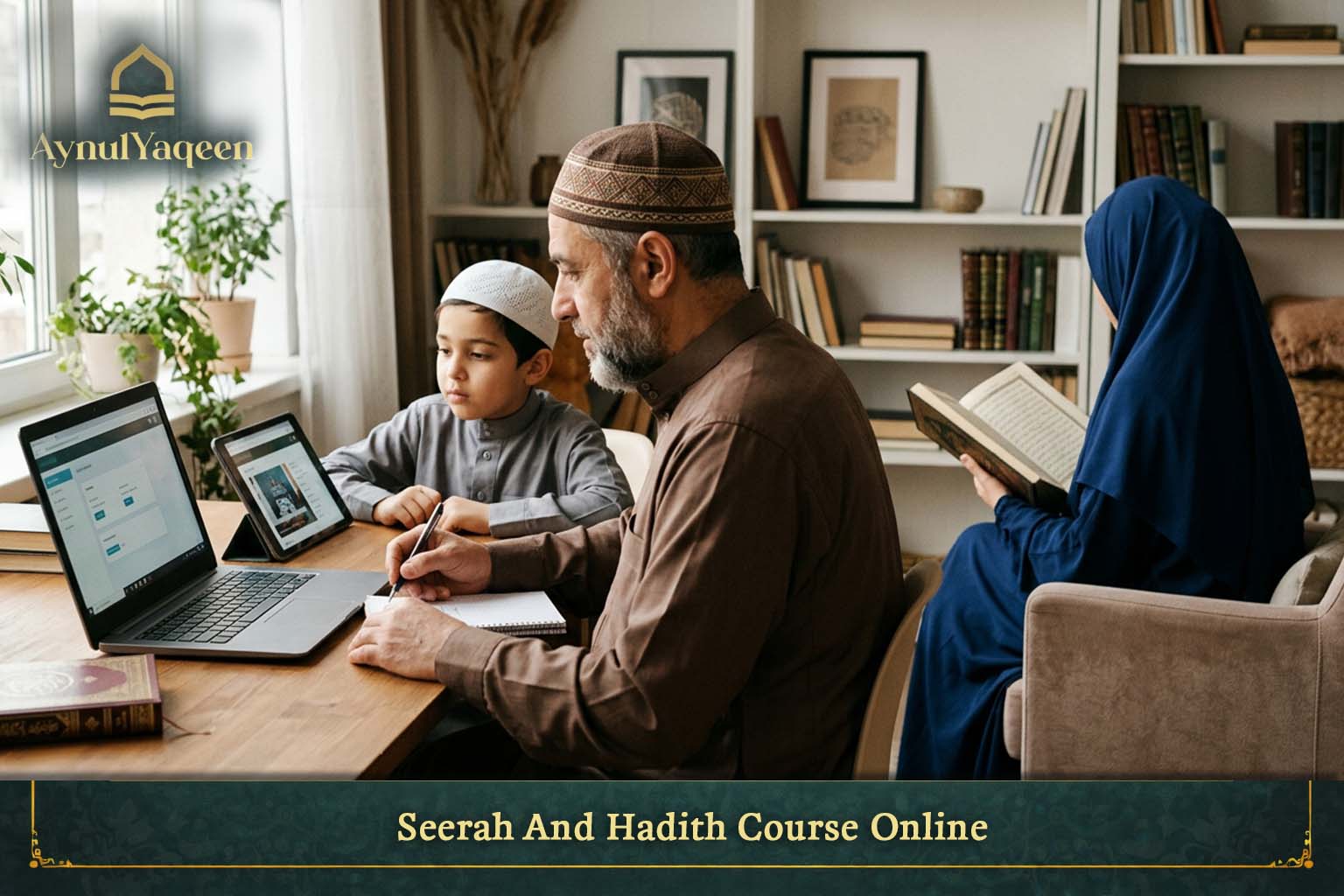
Seerah and Hadith course online is one of the most effective ways for Muslims to learn the life and teachings of Prophet Muhammad ﷺ in a structured and accessible way. It allows students to study authentic Islamic knowledge from anywhere, at any time, while maintaining flexibility and consistency in learning. At Aynulyaqeen Quran academy, this course is carefully designed to guide learners step by step through the Seerah and Hadith, ensuring clarity, understanding, and practical application. The program focuses on building strong Islamic values, improving character, and helping students connect the teachings of the Prophet ﷺ with their daily lives. This approach makes learning both meaningful and easy to follow for all levels of students. What is a Seerah and Hadith Course? Seerah And Hadith Course Online A Seerah and Hadith course is a structured educational program that focuses on two core elements: Seerah: The complete biography of Prophet Muhammad ﷺ Hadith: His sayings, actions, and approvals that explain and complement the Quran Together, they form the foundation of Islamic understanding. Unlike traditional study methods, a Seerah and Hadith course online allows students to learn from anywhere, at their own pace, while still receiving high-quality instruction from qualified teachers. At Aynulyaqeen Quran academy, these courses are carefully structured to combine authenticity with clarity, ensuring that students not only learn but also understand and apply what they study. Online Quran Academy An Online Quran Academy provides a modern and flexible way for students of all ages to learn the Holy Quran from the comfort of their homes. It combines traditional Islamic education with advanced digital tools to make learning easier, more accessible, and highly effective. Through structured lessons in Quran recitation, Tajweed, Seerah, and Islamic studies, students can build a strong foundation in their faith while receiving guidance from qualified teachers. At Aynulyaqeen Quran academy, the focus is on delivering authentic, engaging, and step-by-step learning experiences that help students improve their recitation, understand Islamic teachings, and apply them in daily life with confidence and clarity. Seerah And Hadith Course Online Why Learning Seerah and Hadith Matters Today Learning Seerah and Hadith today helps Muslims navigate modern challenges with timeless guidance rooted in the life and teachings of Prophet Muhammad ﷺ.It strengthens faith, builds strong character, and provides practical solutions for daily life in a rapidly changing world. 1. Building Strong Islamic Identity In today’s world, many young Muslims struggle with identity and belonging. Learning the Seerah provides a clear example of how to live as a Muslim with confidence and purpose. The Prophet ﷺ faced challenges, pressure, and opposition-just like many students today, and his responses offer timeless guidance for every generation. 2. Understanding the Quran Correctly The Quran cannot be fully understood without context. That context comes from: The life of the Prophet ﷺ (Seerah) His explanations (Hadith) When students enroll in a Seerah and Hadith course online, they begin to see how verses were revealed and how they were applied in real life. At Aynulyaqeen Quran academy, this connection is emphasized to help learners move beyond memorization into true understanding. 3. Developing Character and Morals The Prophet ﷺ was described as having the best character, and his life serves as a complete model of moral excellence. His example teaches: Honesty in all situations Patience during hardship Mercy and kindness toward others Discipline in acts of worship These are not abstract values-they are practical habits that students can apply in their daily lives. Key Lessons from the Life of Prophet Muhammad ﷺ Seerah And Hadith Course Online The life of Prophet Muhammad ﷺ offers timeless lessons in honesty, patience, leadership, and compassion that remain relevant in every age.His example provides practical guidance for handling challenges, building strong character, and living a balanced, purposeful life. Honesty and Trustworthiness Before prophethood, he was known as Al-Amin (the trustworthy). This teaches students that reputation is built through consistent honesty. Patience and Perseverance The Makkan period shows years of hardship without giving up. This is especially relevant for students facing academic or personal struggles. Leadership and Responsibility From leading a small group to building a nation, the Prophet ﷺ demonstrated: Decision-making Adalah (Justice) Compassion in leadership Mercy and Kindness Even in victory, he forgave his enemies. This level of character is what truly defines success. Structure of a Seerah and Hadith Course Online A well-designed course usually follows a clear path: 1. Foundational Level Introduction to Seerah and Hadith Early life of the Prophet ﷺ Basic concepts and terminology 2. Intermediate Level Makkan and Madinan periods Key events like Hijrah and major battles Introduction to Hadith sciences 3. Advanced Level Deep analysis of events Deriving lessons Practical application in daily life At Aynulyaqeen Quran academy, this progression ensures that students grow gradually without feeling overwhelmed. Benefits of Studying Seerah and Hadith Online Studying Seerah and Hadith online provides easy access to authentic Islamic knowledge with flexible learning from anywhere. It helps students understand and apply the teachings of Prophet Muhammad ﷺ in their daily lives. Flexibility and Convenience Students can learn: From home At suitable times Without travel or scheduling stress Access to Qualified Teachers Online platforms connect students with experienced instructors who specialize in Islamic studies. Interactive Learning Experience Modern tools include: Video lessons Quizzes and discussions Live sessions These methods make learning more engaging and easier to retain. Consistent Progress A structured Seerah and Hadith online helps students stay committed through: Clear lesson plans Continuous follow-up Step-by-step progression How Seerah Shapes Daily Life Learning Seerah for beginners is not just theoretical-it directly impacts how a person lives. In School or Work Being honest in exams and tasks Respecting teachers and authority In Family Life Showing kindness to parents Maintaining strong family ties In Society Helping others Acting with fairness and integrity At Aynulyaqeen Quran academy, students are encouraged to apply these lessons, not just memorize them. Read also: aqidah classes for beginners Common Challenges in Learning-and How to Overcome Them Many students face difficulties when studying Seerah and Hadith online, especially without
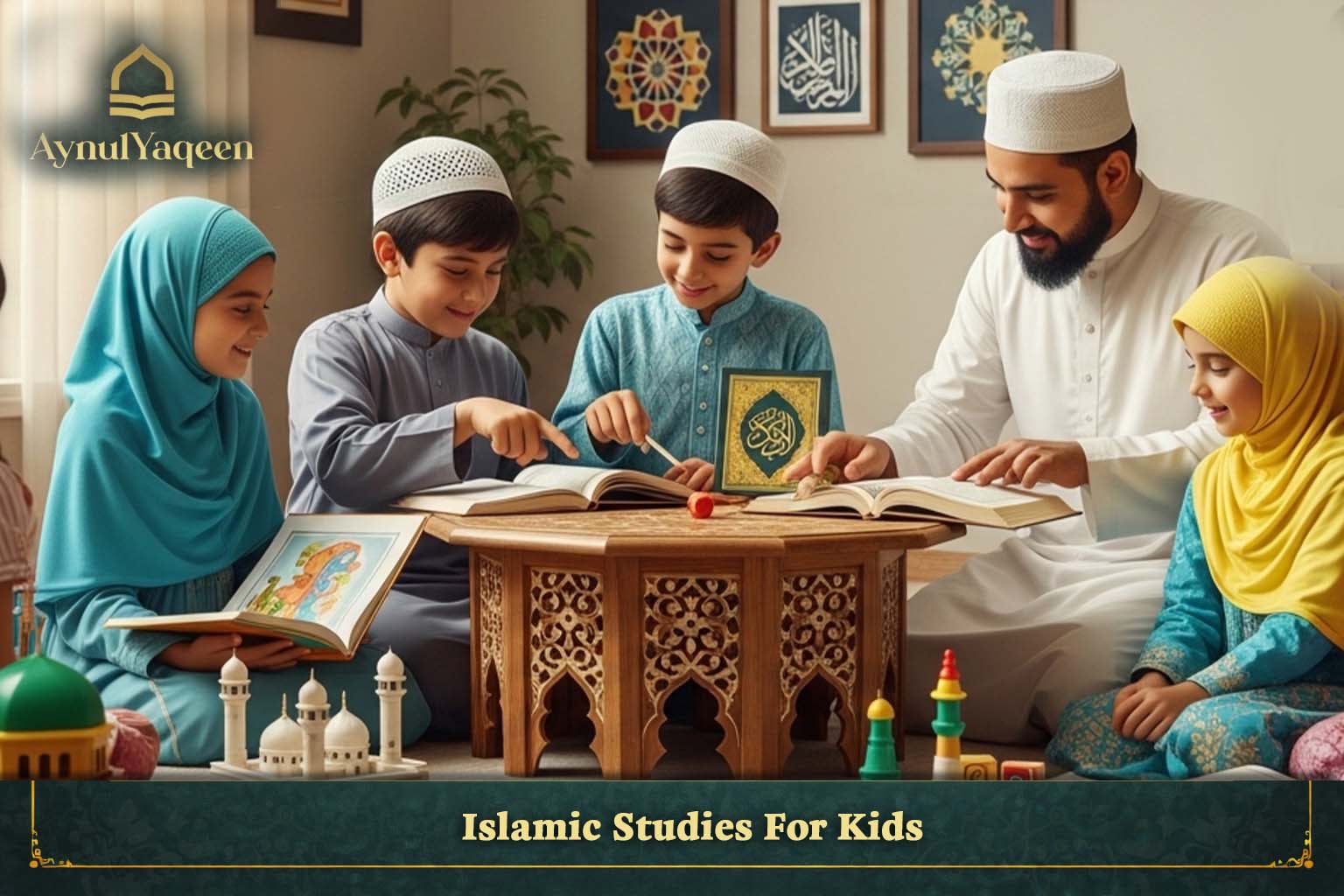
Islamic studies for kids is one of the most important foundations for raising a generation that understands its faith and develops a strong Muslim identity from an early age. Aynulyaqeen Quran academy for kids supports this mission by providing structured and engaging Islamic education designed for young learners. In today’s fast-changing world, children need meaningful learning that helps them connect with Allah, understand their purpose, and build good character. This is not only about memorization but about shaping behavior and nurturing the heart. Parents are increasingly seeking reliable programs that offer simple, effective, and age-appropriate Islamic education for their children. For a beginner-friendly approach designed for kids, read our guide on Quran for children. For more on this, see our guide on an online Quran class for kids. If memorization is your main goal, our Quran Hifz program for UK students is worth a look. Every family’s journey looks a little different, and it helps to know what options exist as your child grows and their interests change. Some children thrive with a full academy structure from the start, others do better easing in with shorter, focused sessions, and many end up combining memorization with understanding as they build confidence over time. Knowing the range of programs available makes it easier to pick a starting point that actually fits your household. Our Quran academy for kids offers a well-rounded curriculum for children just starting out, while parents looking for a beginner-friendly introduction often start with our guide on Quran for children. Families who prefer a live, teacher-led format can join an online Quran class for kids, and once the basics are solid, many students move on to our Quran Hifz program to begin memorization with proper guidance.
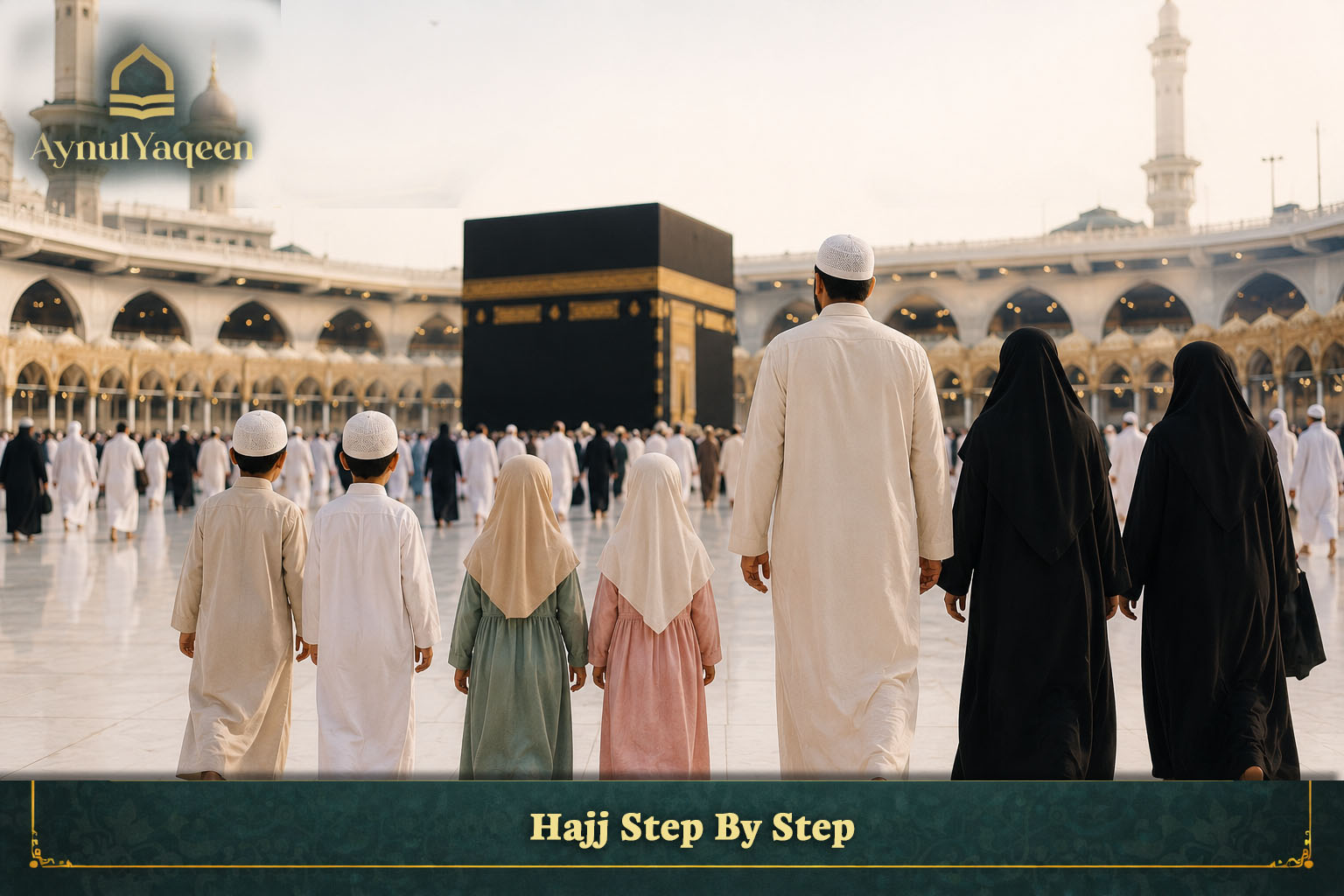
Hajj step by step is a complete guide to help Muslims perform Hajj with clarity and sincerity. Hajj is one of the five pillars of Islam and an obligation for every able Muslim. It is a deeply spiritual journey that purifies sins and strengthens faith. Every year, millions gather in Makkah following the example of Prophet Ibrahim (AS) and Prophet Muhammad ﷺ. Understanding each step ensures correct performance without mistakes. Proper preparation is essential, and many pilgrims benefit from guidance provided by Aynulyaqeen Quran academy, which helps them understand the rituals clearly and perform Hajj with confidence and devotion. The Spiritual Importance of Hajj Hajj is not an ordinary journey. It is a once-in-a-lifetime opportunity for many Muslims, where they leave behind worldly life and focus entirely on worship and repentance. It symbolizes unity, humility, and submission to Allah. Pilgrims wear simple clothing, stand together regardless of nationality or status, and perform the same rituals at the same time. This removes all social barriers and reminds Muslims that all humans are equal before their Creator. A properly guided pilgrimage is essential. Many pilgrims today seek structured learning before traveling, and institutions like Aynulyaqeen Quran academy help learners understand the rituals in detail before departure. Online Quran Academy An Online Quran Academy provides students with the opportunity to learn the Quran, Islamic studies, and essential religious knowledge from the comfort of their homes. It is designed to make learning flexible, accessible, and suitable for all ages, especially for those with busy schedules or limited access to local teachers. Through structured lessons and qualified instructors, students can improve their recitation, understanding, and connection with the Quran. One of the trusted platforms in this field is Aynulyaqeen Quran academy, which offers guided learning programs that help students build strong foundations in Quran reading, Tajweed, and Islamic education in a simple and effective way. Types of Hajj Before performing Hajj, it is important to understand that there are three types of pilgrimage, each with different rules and structures. 1. Tamattu Hajj This is the most common form among pilgrims. It includes performing Umrah first, exiting Ihram, and then re-entering it for Hajj. Umrah is performed first A sacrifice is required Break between Umrah and Hajj is allowed 2. Qiran Hajj In this type, Umrah and Hajj are combined without exiting Ihram. No break between rituals Sacrifice is mandatory Requires longer patience in Ihram 3. Ifrad Hajj This type focuses only on Hajj without Umrah. No sacrifice required Simplest form of Hajj Suitable for residents of Makkah or nearby regions Among these, Tamattu is often preferred due to ease and flexibility, and it was practiced by many companions of the Prophet ﷺ. Read also: learn islam online in usa Preparation Before Hajj Proper preparation ensures a smooth and spiritually focused pilgrimage. Before traveling, pilgrims should: Decide the type of Hajj they will perform Arrange travel, accommodation, and permits Learn essential duas and rituals Physically prepare for long walking distances Seek forgiveness from others Many pilgrims also benefit from structured learning programs offered by Aynulyaqeen online quran academy in USA, which help them understand the sequence of rituals before departure. Read also: aqidah classes for beginners Miqat and Entering Ihram Miqat refers to the designated boundaries where pilgrims must enter the state of Ihram before entering Makkah. There are five major Miqat points depending on the direction of travel. At Miqat, pilgrims perform purification, wear Ihram clothing, and make the intention for Hajj. Ihram Clothing Rules Men wear two white unstitched cloths Women wear modest clothing without specific restrictions No perfume or scented products allowed No cutting hair or nails after entering Ihram The simplicity of Ihram removes all distinctions between rich and poor, creating unity among Muslims. Step-by-Step Rituals of Hajj The keyword Hajj step by step is used to provide a clear, structured, and easy-to-follow explanation of the pilgrimage, helping readers understand each ritual in the correct sequence for a complete and accurate performance of Hajj. Step 1: Making Intention (Niyyah) The pilgrimage begins with a sincere intention in the heart. The intention must be purely for Allah, not for showing off or worldly recognition. Step 2: Entering Ihram After making intention, pilgrims enter Ihram at Miqat. From this moment, several restrictions apply, including avoiding arguments, cutting hair, or using perfumes. Pilgrims begin reciting the Talbiya: “Labbayk Allahumma Labbayk…” This marks the official beginning of the pilgrimage journey. Many students prepare for this stage through training provided by Aynulyaqeen online quran academy for kids, ensuring they understand each rule clearly. Step 3: Arrival in Makkah and Tawaf Upon reaching Makkah, pilgrims perform Tawaf around the Kaaba seven times in an anti-clockwise direction. Start from the Black Stone Circle the Kaaba seven times Pray at Maqam Ibrahim Drink Zamzam water This ritual represents the unity of believers worshipping one Allah. Step 4: Sa’i Between Safa and Marwah Sa’i involves walking between the hills of Safa and Marwah seven times. It commemorates the struggle of Hajar (AS) searching for water for her son Ismail (AS). This act teaches patience, trust in Allah, and perseverance. Step 5: Travel to Mina On the 8th of Dhul Hijjah, pilgrims travel to Mina. Perform five daily prayers Spend the night in worship Prepare for the next day in Arafah This stage builds spiritual discipline and focus. Step 6: Day of Arafah Arafah is the most important day of Hajj. Pilgrims gather at the plains of Arafah Offer combined Dhuhr and Asr prayers Make continuous dua and repentance The Prophet ﷺ said that Allah frees more people from Hellfire on this day than any other. Step 7: Muzdalifah Night After sunset, pilgrims travel to Muzdalifah. Perform Maghrib and Isha together Collect pebbles for the next ritual Spend the night in worship This simple environment strengthens humility and patience. Step 8: Stoning the Jamarat Pilgrims return to Mina and perform Ramy (stoning of the devil). Throw seven pebbles at Jamarat al-Aqabah Say “Allahu Akbar” with each throw Symbolizes rejection of evil
Hijrah of Prophet Muhammad represents one of the greatest turning points in Islamic history. It was not merely a physical relocation from Makkah to Madinah, but a decisive transformation that completely changed the course of the Islamic message. This historic migration laid the foundation for the first organized Muslim community built upon justice, faith, and religious freedom. At Aynulyaqeen Online Quran academy, we aim to help learners understand such pivotal events in Islamic history with clarity and depth, connecting them to both faith and practical life lessons. This article provides a comprehensive and human centered explanation of the meaning of Hijrah, its causes, major events, and its long-lasting impact on the Muslim Ummah, while also addressing the key questions researchers often ask about this significant event. Meaning of Hijrah in Islam Hijrah Of Prophet Muhammad In Islamic understanding, Hijrah refers to the migration from a land where Muslims cannot freely practice their religion to a place where they can worship Allah without fear or persecution. In the early days of Islam, this migration became a necessity to protect believers from severe harm in Makkah at the hands of the Quraysh tribe. The first form of migration occurred when Prophet Muhammad ﷺ permitted some of his companions to migrate to Abyssinia, where they found safety under the just Christian ruler, the Negus. This later paved the way for the greater migration to Madinah, which became a major turning point in Islamic history. Online Quran Academy Online Quran Academy offers flexible and effective learning for students who want to study the Holy Quran from home with qualified teachers. It focuses on Tajweed, correct recitation, and understanding Islamic teachings in a simple way. One of the trusted platforms is Aynulyaqeen Online Quran academy, which provides structured lessons for all levels. Aynulyaqeen Online Quran academy helps students improve their Quranic skills step by step. Through interactive online classes, Aynulyaqeen Online Quran academy supports learners in building a strong and lasting connection with the Quran and Islamic values. Hijrah Of Prophet Muhammad Causes of the Prophetic Migration The Hijrah was not the result of a single event but a combination of several pressing reasons: 1. Persecution in Makkah The early Muslims faced severe forms of oppression, including economic boycott, physical torture, and social isolation. Life in Makkah became increasingly unbearable for believers. 2. Protection of the Islamic Message One of the main objectives of migration was to ensure the survival and growth of Islam in a safe environment where the message could spread freely. 3. Divine Command The migration was not a personal decision alone. It was divinely instructed through revelation, and Angel Jibril informed the Prophet ﷺ of the appropriate time to leave Makkah. 4. Readiness of Madinah The city of Yathrib (later known as Madinah) had already shown strong support for Islam after the Pledges of Aqabah, where the Ansar promised to protect and support the Prophet ﷺ. Read also: Seerah for beginners Planning the Migration to Madinah The migration was carried out with careful planning and wisdom. The Prophet ﷺ informed Abu Bakr Al-Siddiq (RA), his closest companion, about the journey, and they prepared together in secrecy. To mislead the Quraysh, Ali ibn Abi Talib (RA) slept in the Prophet’s bed on the night of migration, risking his life to protect the Prophet ﷺ. Meanwhile, the Prophet and Abu Bakr left Makkah quietly and headed toward the Cave of Thawr, where they stayed for three nights. During this critical period: Abdullah ibn Abu Bakr secretly gathered information from Makkah Asma bint Abu Bakr provided food and supplies A trusted guide helped them navigate the desert safely This stage demonstrates the balance between divine trust and practical planning. The Importance of Hijrah of Prophet Muhammad in Islamic History The Hijrah of Prophet Muhammad is far more than a historical journey; it marks the true beginning of the Islamic state in Madinah. It transformed Islam from a persecuted message into an organized and powerful community. In Madinah, the Prophet ﷺ established a society based on brotherhood between the Muhajirin (migrants) and Ansar (helpers). He also introduced the Constitution of Madinah, which regulated relationships between Muslims, Jews, and other communities on the basis of justice and mutual rights. This transformation gave Islam a political, social, and legal identity, not just a spiritual mission. The Arrival in Madinah When the Prophet ﷺ arrived in Madinah, the city welcomed him with overwhelming joy. This moment became one of the most memorable events in Islamic history. He first stayed in Quba, where the first mosque in early Islam was built. Students who want a broader foundation in this period of history before exploring the Seerah in depth can start with islamic courses for beginners. Soon after, he moved into the city center, where Masjid an-Nabawi (the Prophet’s Mosque) was established. The Prophet ﷺ actively participated in building the mosque himself, demonstrating leadership, humility, and community engagement to everyone who worked alongside him. Building the Islamic Society in Madinah After the migration, the Prophet ﷺ focused on building a stable and united society based on strong principles: Brotherhood between Muhajirin and Ansar Social justice and equality Respect for religious diversity Organized tribal and social relations Establishment of an independent Islamic market These foundations turned Madinah into a model city-state in human history. Key Lessons from Hijrah of Prophet Muhammad The Hijrah of Prophet Muhammad offers timeless lessons that remain relevant today: 1. Trust in Allah Despite danger and uncertainty, the Prophet ﷺ placed complete trust in Allah’s plan. 2. Strategic Planning Hijrah teaches that success requires careful preparation alongside faith. 3. Sacrifice for Belief The Prophet ﷺ left his homeland, wealth, and comfort for the sake of Islam. 4. Building Communities Hijrah was not an escape; it was the beginning of a powerful, organized society. Read also: best quran lessons The Role of Education in Understanding Hijrah Understanding the depth of Hijrah requires structured learning of Islamic history and the Seerah of the Prophet ﷺ. One of the
Seerah for beginners is a simple and essential way to start learning about the life of Prophet Muhammad ﷺ. It helps new learners understand the key events of Islam in a clear and structured manner, focusing on lessons, character, and historical context rather than complex details. The Seerah builds a strong connection between the reader and the Prophet’s ﷺ life, making faith more meaningful and practical in daily life. Through Aynulyaqeen Quran academy for beginners, students can study the Seerah in an organized way that supports gradual learning, correct understanding, and steady progress. This approach makes it easier for beginners to stay consistent and truly benefit from the Prophet’s ﷺ biography. Why Learning the Seerah Matters for Every Muslim Seerah For Beginners The Seerah is not just a story-it is the living explanation of the Qur’an. Every verse revealed had a moment, a situation, or a lesson connected to the life of the Prophet ﷺ. Without understanding the Seerah, many Qur’anic meanings remain incomplete in a person’s understanding. For beginners, the Seerah offers: A clear understanding of Islamic beliefs in action A real example of patience, leadership, and mercy A deeper emotional connection to the Prophet ﷺ Practical lessons for modern life challenges When someone begins their journey with sincerity, they quickly realize that the Seerah is not difficult-it is beautifully structured when taught correctly. A beginner does not need complexity; they need clarity. That is why learning step-by-step is far more effective than trying to study everything at once. Online Quran Academy An online Quran academy provides a modern and flexible way for students of all ages to learn the Holy Quran from the comfort of their homes. It allows learners to connect with qualified teachers, follow structured lessons, and improve their recitation, memorization, and understanding of the Quran at their own pace. This method is especially helpful for busy families and beginners who need a supportive and consistent learning environment. One of the trusted platforms in this field is Aynulyaqeen Quran academy for beginners, which focuses on delivering simple, step-by-step Quran education designed to build strong foundational skills and a deep connection with the Book of Allah. Seerah For Beginners How Beginners Should Start Learning Seerah A common mistake many learners make is starting with heavy academic books filled with deep historical analysis. While these are valuable later, they are not ideal for the beginning stage. A beginner should focus on: Understanding the timeline of events Learning key personalities in the Prophet’s ﷺ life Connecting lessons rather than memorizing dates Reading in simple, structured chapters This approach builds both knowledge and emotional connection. One effective method for structured learning is guided study programs such as Aynulyaqeen Quran academy for beginners, which helps learners build a strong foundation step by step instead of feeling lost in details. At this stage, consistency matters more than speed. Even a few pages daily can create a strong long-term understanding of the Seerah. The Early Life of the Prophet ﷺ: Where the Journey Begins For anyone studying Seerah for beginners, the first stage always begins with the blessed early life of Prophet Muhammad ﷺ. This includes: 1. The society of Makkah before Islam Before Islam, Makkah was shaped by tribal customs, idol worship, and social inequality. Understanding this environment helps beginners appreciate the transformation Islam brought. 2. Birth and childhood The Prophet ﷺ was born into the noble tribe of Quraysh. His early life was marked by loss and care from different guardians, shaping his strength, patience, and compassion. 3. His character before revelation Even before prophethood, he was known as Al-Amin (the trustworthy). This teaches beginners that prophethood came to someone already known for honesty and excellence in character. These early stages are essential because they show how Allah prepared His Messenger ﷺ step by step for the greatest responsibility in human history. Read also: Islamic studies for kids The Beginning of Revelation: A Turning Point in History One of the most powerful parts of Seerah is the moment revelation began in Cave Hira. For beginners, this moment introduces several key lessons: The importance of reflection and solitude The reality of divine revelation The emotional human experience of the Prophet ﷺ The Support of Khadijah (RA) This moment is not just historical-it is deeply spiritual. It shows how guidance entered the world through mercy, not force. Understanding this event helps beginners realize that Islam did not begin as a political movement but as divine guidance for humanity. Read also: memorize quran at home Early Muslims and the First Steps of Islam After the first revelation, Islam began quietly with close companions. These early believers came from different backgrounds, showing that faith is not limited by status, age, or wealth. Key early Muslims included: Khadijah (RA) Abu Bakr As-Siddiq (RA) Ali ibn Abi Talib (RA) Zayd ibn Harithah (RA) Each of them had a unique journey, but all shared strong belief, sincerity, and loyalty to Allah and His Messenger.Their early acceptance helped establish the foundation of the Muslim community during times of secrecy and hardship. They supported the Prophet Muhammad (peace be upon him) with courage, love, and sacrifice. For beginners, these stories teach that accepting truth often requires courage, patience, and complete trust in Allah. They also show that the first steps of faith can shape a lifetime of guidance and purpose.These examples remain timeless lessons for all believers everywhere, in every generation of human history and guidance forever. Important Lessons Beginners Learn from the Seerah Seerah For Beginners Studying Seerah for beginners is not just about learning events-it is about extracting lessons that shape life. Some of the most important lessons include: Patience in hardship The Prophet ﷺ faced rejection, yet remained patient and firm. Mercy in leadership Even his enemies were treated with dignity and kindness. Consistency in worship Despite challenges, the Prophet ﷺ remained devoted to Allah. Strength of character Honesty, trustworthiness, and humility defined his personality long before prophethood. These lessons are timeless and apply to every
Kids Islamic Education: Faith Foundation for Children Kids Islamic Education kids islamic education is not something that begins in classrooms or formal institutions. It starts at home, in everyday moments, in conversations between parents and children, and in the small habits that gradually shape a child’s understanding of life, values, and faith. When Islam is introduced in a natural, simple, and loving way, it becomes part of the child’s identity rather than something they feel forced to learn or memorize. Raising children on Islamic principles is not just about teaching information or training them to perform rituals. It is about building a complete way of life that grows with them step by step. A child who grows up seeing Islam reflected in daily behavior begins to understand it as a lived experience, not just a subject. This is why the role of the family is essential, and why supportive educational platforms such as Aynulyaqeen Quran academy for kids can play a valuable role in guiding this journey in a structured and age-appropriate way. Online Quran Academy Online Quran learning has become an effective and flexible way for children to study Islam while staying in a comfortable home environment. It allows students to learn Quran online recitation, memorization, and basic Islamic studies with qualified teachers through structured virtual classes. This method helps families maintain consistency in learning even with busy schedules, while also ensuring that children receive proper guidance at their own pace. One of the trusted platforms in this field is Aynulyaqeen Quran academy for kids, which offers well-organized online programs designed to make Quran education engaging, simple, and suitable for different age groups. Kids Islamic Education Why Early Islamic Education Is a Necessity, Not an Option Early childhood is one of the most sensitive stages in human development. During this time, children absorb language, behavior, emotions, and values without resistance. What they see and hear becomes deeply embedded in their personality. Early Islamic education helps children: Build a strong and healthy relationship with Allah from a young age Understand morality and ethical behavior in practical terms Strengthen their Islamic identity in diverse cultural environments Avoid confusion when exposed to conflicting worldviews later in life More importantly, when Islamic learning is presented in a positive and engaging way, children do not see itas a burden or obligation. Instead, they experience it as clarity, comfort, and guidance in their lives. A child who grows up loving their faith naturally carries it into adulthood with confidence rather than uncertainty. Building a Simple and Strong Faith Foundation for Children Children do not need complex theological explanations. They need clarity, repetition, emotional connection, and practical experience. A strong foundation in kids islamic education is built gradually through consistent exposure and meaningful interaction. 1. Connecting the Child to Allah Naturally Instead of abstract explanations, children understand Allah through the world around them. Every day experiences become opportunities for faith-based thinking: The beauty of nature The food they eat The protection and care they receive The order and design of the universe Simple questions like “Who created this?” or “Where does this beauty come from?” naturally guide the child toward recognizing the Creator without pressure or complexity. 2. The Power of Parental Example Children learn more from observation than instruction. A parent’s actions often shape a child’s understanding more than words ever could. When children see their parents: Praying consistently Speaking kindly and honestly Remembering Allah in daily life Showing gratitude and patience They begin to internalize these behaviors as normal and desirable. Over time, imitation becomes habit, and habit becomes identity. This is one of the most powerful principles in Islamic upbringing: living the faith, not just explaining it. 3. Making Worship a Positive Experience Acts of worship should be introduced gently and positively. Prayer, remembrance of Allah, and supplication should feel comforting rather than forced. For example: A child standing beside a parent during prayer Hearing Quran recitation during quiet moments at home Repeating simple phrases like “Bismillah” and “Alhamdulillah” throughout the day When worship is associated with calmness and love, children naturally develop attachment to it. Read also:best quran teachers online Teaching the Pillars of Islam in a Child-Friendly Way The Five Pillars of Islam form the foundation of Muslim practice. For children, these should be taught gradually through actions, stories, and simple explanations. Shahada (Declaration of Faith) Children begin by repeating the phrase that Allah is One and Muhammad is His Messenger. Understanding grows slowly through stories and examples rather than abstract definitions. Salah (Prayer) Children progress through stages: Watching parents pray Imitating movements Learning short surahs Gradually performing full prayers The key is patience and consistency. Zakat (Charity) A simple method is using a “three-jar system”: Spending Saving Giving This helps children understand responsibility and generosity in a practical way. Sawm (Fasting) Fasting is introduced gradually: Partial fasting for younger children Short fasting periods during Ramadan Full fasting when they are ready The focus is understanding, not pressure. Hajj (Pilgrimage) Children can learn about Hajj through stories, visuals, and simple models, helping them understand the global unity of Muslims. Read also:Online Quran Hifz Classes Understanding Islamic Beliefs in a Simple Way Islamic beliefs (Aqeedah) should be taught in a way that matches a child’s cognitive level. Each concept can be simplified: Belief in Allah through gratitude and observation Belief in Angels as unseen beings who obey Allah Belief in Books as divine guidance sent to humanity Belief in Prophets as role models of good character Belief in the Day of Judgment as ultimate justice Belief in Divine Will as Allah’s wisdom behind everything These ideas should be explained using real-life examples rather than abstract theory. Read also:Best Online Quranic Arabic Course Age-Based Approach to Islamic Learning Age-Based Approach to Islamic Learning focuses on tailoring kids islamic education to each developmental stage, ensuring children learn Islam in a way that matches their age, understanding, and abilities. Ages 3-5: Foundation Stage Children learn through repetition and imitation: Saying basic phrases like “Bismillah”
Islamic courses for beginners are among the most searched learning paths for Muslims seeking a clear and structured way to understand their religion from the very beginning, and Aynulyaqeen Quran academy provides a reliable option for this purpose. Many learners today feel confused due to scattered information online and lack of a clear study path, which makes structured learning essential. Through organized programs like those offered by Aynulyaqeen Quran academy, students are guided step by step through the basic sciences of Islam. The focus is not only on memorization but on understanding, reflection, and practical application in daily life. This approach helps beginners build a strong foundation in their faith with clarity and confidence. This guide explains what a proper beginner curriculum should cover, why structure matters more than speed, and how to choose islamic courses for beginners that build real, lasting understanding rather than isolated facts. Why Learning Islam from the Basics Matters Every journey has a starting point, and learning Islam is no different. Many Muslims grow up practicing rituals without fully understanding their meanings. While this may be enough for basic practice, it often leaves gaps in understanding that become noticeable later in life. Learning the fundamentals of Islam helps a person: Build a correct understanding of belief and worship Avoid common misconceptions Strengthen their relationship with Allah Gain confidence in practicing their religion Develop a sense of clarity and peace in daily decisions When knowledge is built correctly from the beginning, everything that comes after becomes easier and more meaningful. Online Quran Academy Online Quran Academy is a modern learning platform designed to make Islamic education accessible to students around the world through structured and interactive online classes. Aynulyaqeen Quran Academy focuses on teaching the Qur’an with proper recitation, understanding, and guidance, alongside essential Islamic studies that help build a strong foundation in faith. Through flexible schedules and qualified instructors, Aynulyaqeen Quran Academy allows learners to study from anywhere while maintaining consistency and progress. The goal is to provide a supportive and organized environment where students can develop their Qur’anic skills, improve their understanding of Islam, and apply what they learn in their daily lives with confidence and clarity. What Makes a Strong Beginner Islamic Learning Path? A proper beginner-level Islamic program is not just a collection of random lessons. It is a structured journey that combines the most important sciences of Islam in a balanced way. These typically include: 1. The Life of the Prophet (Seerah) The Seerah is one of the most powerful ways to understand Islam. It is not just history; it is a living example of how Islam is practiced in real life. Through studying the Seerah, learners discover: How the Prophet Muhammad ﷺ dealt with challenges How he treated family, friends, and even enemies How Islamic principles were applied in real situations This makes faith more practical and relatable instead of purely theoretical. Learners who want a dedicated introduction to this subject can explore a seerah course online as a natural next step. 2. Understanding the Qur’an (Tafsir) Reading the Qur’an is essential, but understanding it is what truly transforms a person’s connection with it. Tafsir helps learners: Understand the meaning behind verses Learn the context of revelation Connect Qur’anic teachings to modern life Without a quran tafsir course online, many meanings can be misunderstood or missed entirely. A structured learning approach ensures that students gradually build their understanding in a simple and clear way. 3. Hadith Studies The sayings and actions of the Prophet ﷺ are a key source of Islamic knowledge. Hadith studies help learners understand how Islamic teachings are practiced beyond the Qur’an. This includes: Learning authentic sayings of the Prophet ﷺ Understanding classification of hadith (authentic, weak, etc.) Knowing how scholars verify narrations This field builds awareness and protects learners from misinformation. 4. Aqeedah (Core Belief) Aqeedah is the foundation of Islam. It defines what a Muslim believes about Allah, His messengers, the unseen world, and the purpose of life. When Aqeedah is strong: Worship becomes meaningful Actions are guided by clear belief Doubts are reduced Without a strong foundation in belief, other areas of learning may feel disconnected. 5. Fiqh (Islamic Practice) Fiqh focuses on how to practice Islam in daily life. It explains the rules of worship and interaction. This includes: Prayer (Salah) Fasting (Sawm) Charity (Zakat) Daily transactions and manners Fiqh helps transform knowledge into action, making religion part of everyday life rather than just theory. Read also: islamic online quran academy How These Five Sciences Work Together Beginners sometimes assume these subjects are separate tracks to be studied in isolation, but a well-designed program treats them as connected parts of one picture. Aqeedah shapes why a person worships, Fiqh explains how to worship correctly, Tafsir deepens the meaning behind what is recited, Hadith preserves the practical example of the Prophet ﷺ, and Seerah shows how all of it looked in real life. Studying them together, even briefly at first, helps a beginner see Islam as one coherent way of life rather than a set of unrelated facts to memorize. Learning Islam Online: A Modern Solution In the past, learning Islam required physical attendance at mosques or traditional study circles. While those remain valuable, modern online learning has opened new opportunities for people around the world. Online Islamic learning offers: Flexibility in time and schedule Access from anywhere in the world One-on-one or group learning options Structured learning paths for beginners This makes it easier for people with busy schedules, families, or limited access to local teachers to still gain authentic Islamic knowledge. Read also: online arabic academy for beginners A Structured Approach to Learning One of the most important factors in successful learning is structure. Without structure, students often jump between topics without understanding how they connect. A well-organized program usually follows a progression: Basic belief and introduction to Islam Understanding the Qur’an Learning the life of the Prophet ﷺ Studying authentic hadith Applying Islamic rulings in daily life This step-by-step approach
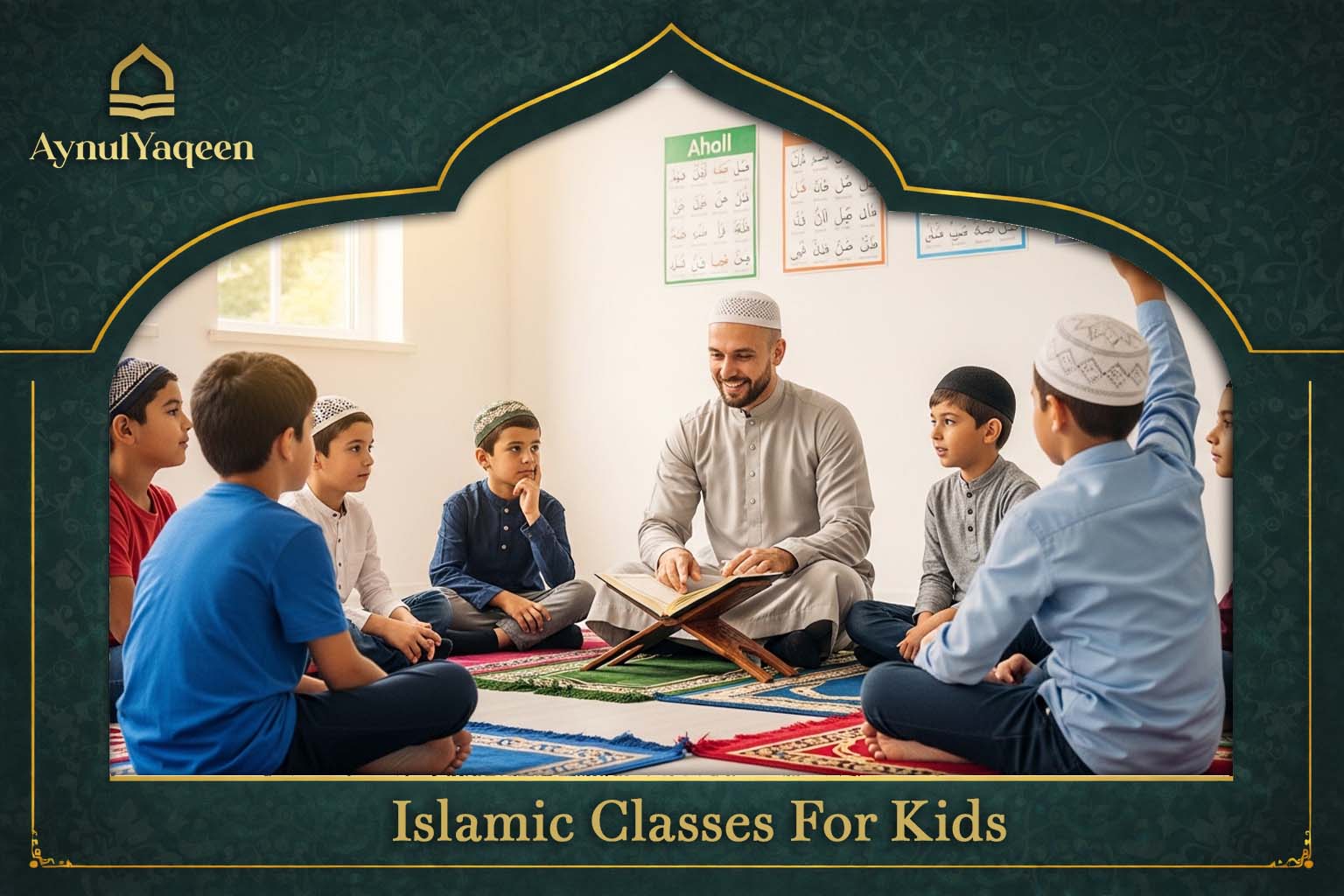
Islamic classes for kids are an important way for parents to build a strong Islamic foundation from an early age. In a world full of distractions, children need structured and engaging learning to stay focused on meaningful education. These classes help shape not only knowledge but also character, behavior, and values in a balanced way. Modern platforms such as Aynulyaqeen Quran academy for kids provide a simple and interactive learning experience that helps children connect with Islamic teachings naturally. The focus is on gradual learning, understanding, and building confidence rather than pressure or memorization alone, making education more effective and enjoyable. The Importance of Early Islamic Education for Children Islamic Classes For Kids Early childhood is the stage where personality, habits, and values are formed. When children are introduced to Islamic teachings at this stage, they naturally develop a strong sense of identity and moral direction. Learning Islam early helps children understand the difference between right and wrong in everyday situations. It also builds emotional intelligence by teaching values like patience, honesty, respect, and kindness. These qualities are not just theoretical lessons; they become part of the child’s daily behavior. A well-structured islamic class for kids ensures that children learn in a way that feels natural and enjoyable. Instead of overwhelming them with complex rules, lessons are simplified and delivered through stories, visuals, and interactive activities. Online Quran Academy Online Quran learning offers children a flexible and effective way to study from home while maintaining consistency and focus. It helps kids improve Quran reading, pronunciation, and understanding through interactive and structured lessons that suit their learning pace. This approach makes Islamic education more accessible and engaging for young learners. The Aynulyaqeen Quran academy for kids provides a well-organized online Quran program designed to support children step by step. With qualified teachers and simple methods, kids build strong Quranic skills, confidence, and a lasting connection with Islamic teachings. Islamic Classes For Kids Online Islamic Studies For Kids and Modern Learning Methods Online Islamic Studies For Kids programs have changed the way religious education is delivered. Instead of traditional rigid methods, children now learn through interactive sessions that keep them engaged and motivated. One of the strongest advantages of online learning is flexibility. Children can learn from a comfortable environment without pressure, which helps them absorb information more effectively. Lessons are usually structured in short, focused sessions that match a child’s attention span. The use of storytelling, visuals, repetition, and interactive questioning makes learning more effective. This approach ensures that children do not simply memorize information but actually understand and apply it in real life. Platforms like Aynulyaqeen Quran academy for kids use these modern teaching methods to create a smooth and enjoyable learning experience. What Children Learn in Online Islamic Classes A well-designed curriculum for online islamic classes for kids covers all essential areas of Islamic knowledge in a structured way. The content is divided into core subjects that gradually build a child’s understanding. 1. Quran Reading, Tafseer, and Tajweed The Quran is the foundation of Islamic learning. Children begin by learning how to read Arabic letters correctly and gradually move toward reading short Surahs with proper pronunciation. Tajweed rules are introduced in a simple way so children can recite the Quran correctly without difficulty. Alongside reading, basic Tafseer is taught through storytelling methods, helping children understand the meaning behind verses in an age-appropriate way. This approach ensures that children not only read the Quran but also develop a spiritual connection with it. 2. Hadith and Daily Supplications Hadith lessons introduce children to the sayings and teachings of the Prophet Muhammad (peace be upon him). These lessons focus on simple, meaningful messages that children can apply in their daily lives. Common topics include honesty, kindness, respect for parents, and helping others. Children also learn daily supplications that help them build a habit of remembering God throughout the day. This part of the curriculum strengthens both faith and behavior in a practical way. 3. Basic Fiqh for Daily Life Fiqh lessons are designed to teach children how to perform basic Islamic practices correctly. These include: How to perform ablution (wudu) How to pray step by step Understanding cleanliness and purity Learning the importance of charity Introduction to fasting in a simple way These lessons are taught through demonstration and repetition, making it easy for children to understand and remember. 4. Character Building and Islamic Manners One of the most important parts of Islamic education is character development. Children are taught how to behave respectfully with parents, siblings, teachers, and friends. Stories, examples, and real-life situations are used to explain values such as honesty, patience, forgiveness, and gratitude. This helps children apply Islamic manners in their everyday interactions. A strong focus on character ensures that learning is not limited to knowledge but extends to behavior and attitude. Read also:quran recitation with tajweed Structured Learning Levels for Better Understanding To ensure effective learning, Islamic education for children is divided into structured levels. Each level builds on the previous one, allowing children to progress step by step. Beginner Level At this stage, children focus on learning Arabic letters, short Surahs, and basic Islamic concepts. The goal is to build familiarity and confidence. Intermediate Level Children begin to understand meanings, learn basic Tafseer, and apply simple Islamic practices in daily life. Advanced Level At this stage, the focus shifts to deeper understanding of Islamic values, stories of prophets, and stronger character development.This gradual structure ensures that learning is smooth, consistent, and stress-free. Read also:online arabic classes for kids Learning Outcomes of Islamic Education Programs A well-designed program delivers clear and meaningful outcomes for children, including: Ability to read the Quran with correct pronunciation Understanding of basic Islamic beliefs and practices Development of daily Islamic habits Strong moral and ethical behavior Awareness of Islamic manners in social life Emotional and spiritual growth These outcomes ensure that children grow with both knowledge and character. Read also:egyptian quran tutor Requirements for Effective Online Learning To make the most
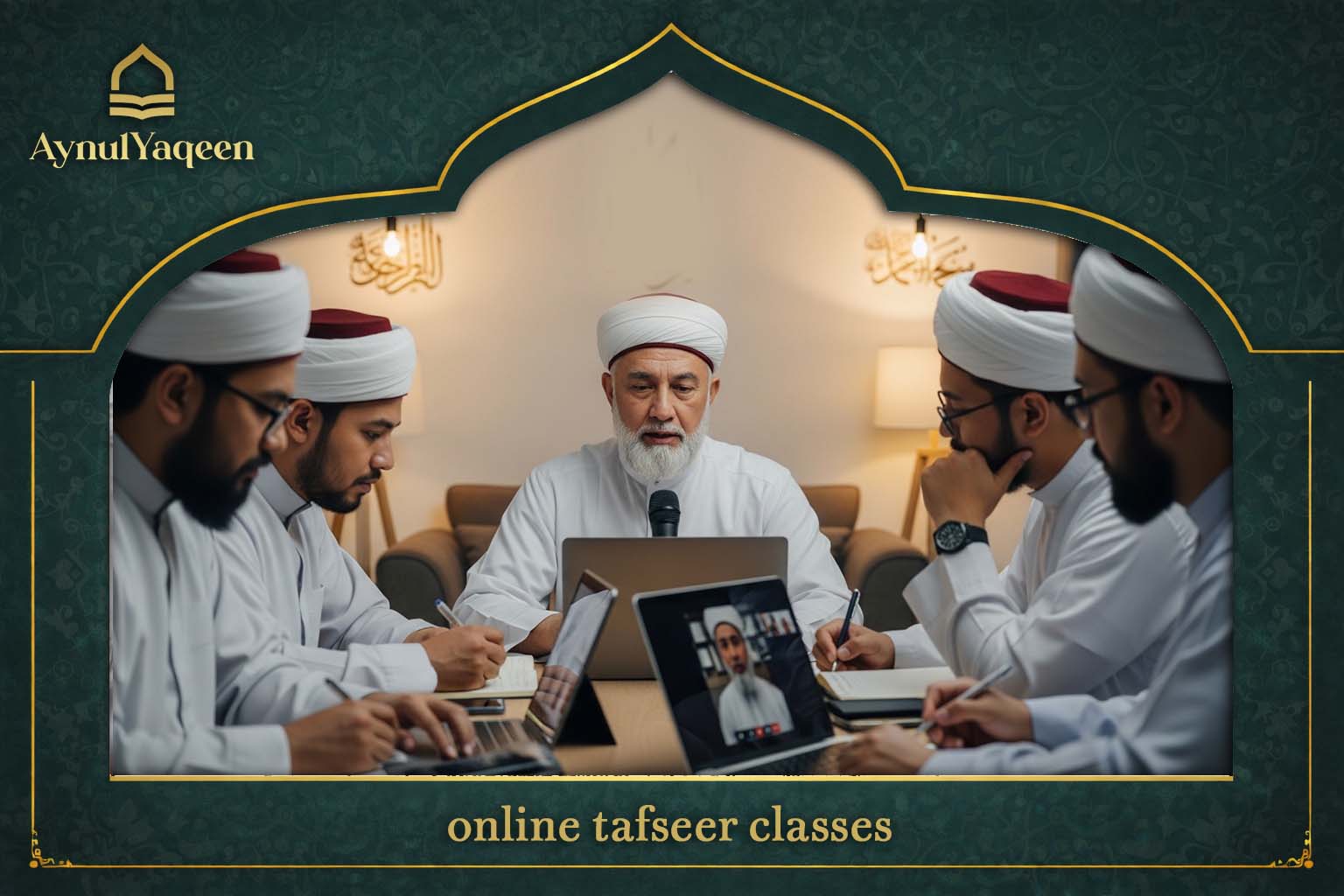
online tafseer classes offer a structured and accessible way to deeply understand the Holy Quran from anywhere in the world. Through Online Quran Academy Aynulyaqeen, students receive authentic, well-organized lessons delivered by qualified instructors who combine scholarly knowledge with practical guidance. These classes help learners move beyond simple recitation to meaningful comprehension, reflection, and application of Quranic teachings in daily life. With flexible schedules and interactive sessions, students of all ages can strengthen their connection with Allah while building a solid foundation in tafseer in a supportive and spiritually enriching online environment. What is an Online Quran Tafseer Classes? Online tafseer classes are structured digital learning programs designed to teach students the understanding and interpretation of the Holy Quran. These classes provide guidance through live sessions, pre-recorded lectures, and directed study. Tafseer, also known as Quranic exegesis, involves understanding the Quran from linguistic, historical, and spiritual perspectives. Learning Tafseer Online Students enrolled in online tafseer classes engage with qualified scholars in virtual classrooms. These sessions help participants comprehend the meanings of verses, apply divine guidance in daily life, and strengthen their spiritual connection with Allah. The approach combines linguistic analysis, historical context, and spiritual reflection to offer a holistic understanding of the Quran. Flexible and Accessible Learning Online tafseer classes provide flexible schedules suitable for learners of all ages. Whether you are a beginner seeking basic comprehension or an advanced student aiming for in-depth analysis, these classes allow you to study from the comfort of your home. This flexibility ensures that every student can progress at their own pace, balancing Islamic education with personal and professional commitments. Why Choose Online Quran Academy Aynulyaqeen? Online Quran Academy Aynulyaqeen provides high-quality Quranic education for students who want to Learn Quran online with expert instructors, interactive lessons, and well-structured study materials. This approach helps students understand Quranic verses more deeply while supporting both intellectual and spiritual growth. Benefits of Online Tafseer Classes Joining online tafseer classes through Online Quran Academy Aynulyaqeen allows learners to: Explore the Quran’s linguistic and historical richness. Understand divine guidance and apply it in daily life. Connect spiritually through guided reflection. Enjoy a structured learning path with expert mentorship. Online tafseer classes are an ideal choice for anyone seeking to deepen their knowledge of the Quran. With Online Quran Academy Aynulyaqeen, students can study comprehensively, engage with scholars, and enrich their spiritual journey—all from the convenience of home. Online Quran Academy Online Quran Academy is the ideal choice for anyone seeking to learn and deeply understand the Quran. Through Online Quran Academy Aynulyaqeen, students of all ages and levels can access high-quality Quranic education with certified and experienced instructors. The academy offers flexible and structured courses, allowing learners to study at their own pace, from anywhere. With a comprehensive and specialized curriculum, students can enhance their understanding of the Quran and its tafseer, helping them apply its teachings in their daily lives. What Students Learn in the Online Tafseer Classes In online tafseer classes, students engage in a comprehensive curriculum designed to strengthen their understanding of the Holy Quran. These classes offer live sessions, pre-recorded lessons, and interactive study methods. Learners develop a thorough grasp of Quranic teachings and how to apply them in daily life. Core Topics Covered Students explore a wide range of subjects in online tafseer classes, including: The meanings of Quranic verses. The context of revelation (Asbab al-Nuzul). Classical and modern interpretations by scholars. Linguistic insights from the Arabic language. The wisdom behind divine commands. The messages, themes, and objectives of each verse. Moving Beyond Recitation These online tafseer classes are perfect for Muslims who want to go beyond memorization and simple recitation, aiming for a deeper and more meaningful understanding of the Quran. Using interactive digital tools, guidance from experienced instructors, and structured study techniques, students can enjoy high-quality, university-level learning from home, combining intellectual growth with spiritual enrichment. Learning with Expert Guidance Through Online Quran Academy Aynulyaqeen, learners gain access to expert instructors, interactive lessons, and comprehensive study materials. The academy ensures a supportive online environment where students experience the same depth, precision, and authenticity found in traditional Islamic institutions. Advantages of Online Tafseer Classes Enrolling in online tafseer classes via Online Quran Academy Aynulyaqeen allows learners to explore Quranic meanings, understand divine guidance, and reflect spiritually while progressing at their own pace. These classes are flexible, suitable for all ages, and provide a structured path to mastering Quranic interpretation. By the end of the program, students gain enhanced knowledge, spiritual insight, and the confidence to apply Quranic teachings meaningfully in daily life. Features of the Online Tafseer Classes Online tafseer classes offer a complete and flexible learning experience designed to meet the needs of students of all ages and levels. These classes combine live interaction, structured lessons, and supportive resources to ensure a deep understanding of the Quran. Interactive Live Sessions with Expert Instructors Students in online tafseer classes participate in live sessions where they can ask questions, interact directly with teachers, and receive immediate guidance. This real-time engagement helps learners grasp complex concepts and ensures clarity in Quranic interpretation. Flexible Schedules for Children and Adults These online tafseer classes provide adaptable schedules, allowing students to choose study times that fit their daily routines morning, afternoon, evening, or weekends. This flexibility makes it easier for both children and adults to maintain consistent learning. Personalized One-on-One Learning Individual tafseer sessions are available for students who prefer a more personalized approach. These sessions are tailored to the student’s level, goals, and learning style, offering a customized educational experience that maximizes understanding and retention. Learn from Anywhere Students can access online tafseer classes via mobile phones, tablets, or laptops, allowing them to study the Quran without any geographic limitations. This convenience enables learners to engage with the material from home, school, or even while traveling. Comprehensive Curriculum Developed by Scholars The curriculum includes: Verse-by-verse tafseer Linguistic and grammatical analysis Historical context of revelations Thematic lessons and discussions Practical applications for daily life Certified Islamic